In 2017, my Art class were doing our out-of-place projects. I painted and drew a picture of three thirsty clones of myself in a North American desert, the clone in the centre standing in front of a cow skull and next to a big glass of water. The big glass of water is out of place as water is scarce in the desert, but is needed to stay alive. This painting was exhibited at the Turner Contemporary as part of the 2017 Thanet Schools Art Competition, and stayed there for a week. It was then taken back to school to be exhibited around there and locally in an art gallery in Ramsgate. I was finally able to take it home on 11 October 2019.
My house.
On 20 January 2018, I drew a picture of my house and used acrylic paint to colour in the picture, and used a printed print screen of my house from Google Maps for reference.
Welcome to Fuzzyville!
On 2 February 2019, my father and I were at his friend John’s art studio. I used coloured chalk and colour in a surrealist picture named Welcome to Fuzzyville!, which depicts a 10-year-old boy named Oliver M. (based on myself) arriving in an unusual, jagged, fuzzy-looking city (with red, orange, yellow, green and blue buildings and blue, jagged, fuzzy clouds in the magenta sky) and looking around in astonishment.
On 18 March 2019, my class from college went to the Charles Dickens Mosaics on Saint Peters Road to study its mosaic pictures and murals for our research for our mosaic projects. On 19 March 2019, we used little stones and tiles to make some mosaic pictures. I made mosaic pictures of a pair of shoes, an ice cream and a car.
My pair of shoes.
My ice cream.
My car.
For my mosaic project, I chose to make a mosaic address marker. I did an analysis of three examples of my chosen craftwork (three other mosaic address markers), and designed the draft mosaic address marker (on 27 March 2019) and the final mosaic address marker (2 April 2019). Both were designed using the following equipment: a pencil, some pieces of paper, a rubber, stones, tiles, sand, poly(vinyl acetate) glue, a spoon to mix the sand and poly(vinyl acetate) glue, and a piece of wood.
The draft mosaic address marker without its background.
The draft mosaic address marker with its background.
The draft mosaic address marker was designed using big, flat tiles (coloured red, yellow, green and blue) for the border, grey stones for the background, pink stones for the address marker numbers, and a piece of wood. I think my design is good, but I put too much glue on the piece of wood, making the address numbers ’31A’ (made from the pink stones) impossible to read. Here are my improvements for the next time: I could add more colours to my mosaic address marker, put less glue on the piece of wood and use smaller tiles or stones in my mosaic address marker.
The final mosaic address marker.
The final mosaic address marker was designed using small, grey stones for the border, small blue stones for the background, small golden stones for the visible address marker numbers, and a piece of wood, and used less glue than the draft mosaic address marker.
I got my fingers covered in glue when I was trying to rearrange the stones in the draft mosaic address marker and the final mosaic address marker. Tasting or swallowing glue could cause an illness. Glue causes irritation to the skin and eyes, and may also cause allergies to people who are allergic to glue. I got to take the draft mosaic address marker and the final mosaic address marker home on 2 April 2019.
Ferguson the Fox.
My sun.
On 27 March 2019, in my Personal Social Achievement lesson, I drew and painted a fox named Ferguson the Fox (I based his design on Tom Cat from Tom and Jerry) and a cute sun on paper plates. The drawings were pinned to the Student Gallery wall, and stayed there from that day to 27 June 2019.
Ride ’em…in the Rain!
On 23 April 2019, I got to take a surrealist picture that I made on Adobe Photoshop home. The picture is named Ride ’em…in the Rain!, and depicts a red, green-nosed Mexican dog (with hairs somewhat similar to Crash Bandicoot) riding on a green missile with ant-like antennae and a crocodile-like face and waving his sombrero during a stormy, rainy day, which is out of place as no person could ride a missile when it is raining in real life. The picture was inspired by the scene in which Major Kong rides the H-bomb in Doctor Strangelove (1964).
Tiddles the Tabby.
On 3 May 2019, I drew a picture of a kitten named Tiddles the Tabby, and showed it to my mother, and she liked it.
Dead Ringer.
My first name necklace.
My original ink drawing of the still photograph taken from The Good, the Bad and the Ugly.
My coloured ink drawing of the still photograph taken from The Good, the Bad and the Ugly.
On 22 May 2019, I had a Taster session in Art and Design, and made a picture named Dead Ringer. The picture depicts a phone (which looks exactly like my old Xiaomi Redmi 4X phone, explaining the meaning of “dead ringer”) getting splashed with water by an unseen bully or troublemaker at a circus and dying (phones ring, and water is dangerous to electronics like phones; the phone’s death explains the picture’s title and is a pun on “dead ringer”). Half of the audience focuses sadly on the phone, while the other half of the audience focuses happily on the other acts and performances in the circus. The picture was made using a combination of watercolour paint, oil pastels and coloured pencil. I got to take the picture home, along with a necklace with my name on it (which I made in one of my Personal Social Achievement lessons) and ink drawings of some other pictures, two of them being ink drawings of a still photograph taken from The Good, the Bad and the Ugly (1966). I coloured in one of the ink drawings of the still photograph taken from The Good, the Bad and the Ugly. The ink drawings were made in a Taster session in Art and Design on 14 May 2019.
On 25 May 2019, I was in my father’s bedroom drawing a picture of the garden outside his flat. I put lots of detail in the picture, including the flowers, grass, bushes, et cetera. There used to be a fox and her noisy kits living in the shed with its door hanging off one of its hinges in the garden. Because of that, I added the fox peeking out from behind the shed’s door in the picture.
My blue paper and coloured fabric strip self-portrait.
My second name necklace.
My sister’s name necklace.
On 5 June 2019, in my Personal Social Achievement lesson, I made a self-portrait of myself. I used glue to “paint” the outline of my head on a white canvas, and pasted blue paper and strips of coloured fabric onto the outline of my head, my hair, my ears, my glasses, my eyes, my nose and my mouth. The self-portrait was pinned to the Student Gallery wall, and stayed there from that day to 27 June 2019. I made a second necklace with my name on it and a necklace with my sister’s name on it, and got to take them home.
Sacré Burn!
On 10 June 2019, I made a surrealist picture on Adobe Photoshop. The picture is named Sacré Burn!, and depicts a French elephant-like alien peeking out of a drum and, to his surprise and horror, seeing a dark pit filled with detailed fiery flames in a dark cave, which is out of place as no person could survive in such a dangerous cave. The picture’s name is a cross between ‘Sacré bleu!’, a French expression of surprise, exasperation or dismay, and “burn”, which is what fire does.
Under the Weather.
On 18 June 2019, I made a surrealist picture on Adobe Photoshop. The picture is named Under the Weather, and depicts Ferguson the Fox lying in his bed and feeling ill, complete with a thermometer in his mouth, while the sky pours with rain outside, and a rain cloud rains on him, which visually explains the meaning of “under the weather”. I was originally going to use Oliver M. in the picture, but decided to use Ferguson instead. Ferguson was originally going to have his tongue hanging out of his mouth instead of the thermometer.
My popsicle stick house.
On 19 June 2019, in my Personal Social Achievement lesson, I made a house using popsicle sticks, orange popsicle sticks, blue popsicle sticks, a glue gun, blue pieces of cloth, paper, a pencil, a rubber, a little red button and a green ribbon. The house was pinned to the Student Gallery wall, and stayed there from that day to 27 June 2019.
My poster about saving the planet.
On 21 June 2019, I made a poster about saving our planet. My sister was thinking about setting up an Instagram account for saving our planet, so I designed the poster for it. The poster depicts the Earth surrounded by an evil plastic bottle diving towards the sea, a fish afraid of meeting his demise, which is caused by plastics in the sea; a bird with a blood-filled cut in his body, footprints from the humans, signifying our responsibility; a rubbish bin, and pollution in the sky, represented by a pair of devious, yellow eyes with red pupils and a devilish smile with yellow teeth.
The back of Nottingham Forest Football Club.
On 4 August 2019, I was in my mother’s friend’s son’s bedroom drawing a picture of the back of Nottingham Forest Football Club. The picture was finished on 5 August 2019.
My drawing of my 10-year-old self.
On 24 September 2019, I began drawing a picture of Oliver M., and finished it on 25 September 2019. Being a 10-year-old was a good time in my life, because I had the toys that I could play with, was energetic and fun-loving, played with other children, and took part in many activities.
My Goth girl picture.
On 1 November 2019, I began drawing a picture of a Goth girl with black hair and sparkly, dark eyes, which I found harrowing, and finished it on 2 November 2019. This is my take on a painting that I encountered at a possible college placement on 31 October 2019. The painting was done by a student at the college, and I was told that the painting had a mixed review because of the creepy look of the Goth girl depicted in it. However, it was given to one of the teachers as a present, and therefore, it was displayed on a shelf in her office in the college until June 2020.
Oliver and the Stinkbombs.
I began production of a 77-second short film titled Oliver and the Stinkbombs in September 2019, and finished it and uploaded it to YouTube on 12 November 2019. The film’s plot goes like this: Gary Smith sneaks a stinkbomb into Oliver M.’s sandwich before running off. Oliver walks up to the table and sits at it and takes a bite out of his sandwich, causing the stinkbomb inside to burst and emit a ghastly, grizzly, stinky stench. Oliver coughs and gags, and Gary laughs and points at him from outside. Oliver angrily yells, “GARY!”, and chases after Gary, telling him, “Get back here, you dirty prankster!” Gary runs off, and Oliver screeches to a halt (like a Hanna-Barbera character) when coming across a box of stinkbombs that Gary bought from a joke shop. He declares, “He can’t get away with a disgusting prank like that. I’ll show him!” The next scene shows Oliver in a hangar, standing on one of the wings of Gary’s futuristic-looking plane. He sneaks one of Gary’s stinkbombs into a parachute pack, and runs off with the box of stinkbombs. Later, Gary is flying his plane in the sky. Oliver watches Gary with a telescope from inside a bush, and says, “Here he comes.” He then jumps out of the bush and lands on a see-saw, sending the box of stinkbombs flying into the sky towards Gary’s plane. A huge, loud, stinky explosion occurs. Gary, wearing his parachute, falls from the explosion, coughing and gagging. He laments, “My stinkbombs!”, and he shakes his fist at Oliver, saying, “I’ll get you for this, Oliver!”, and pulls the ripcord of his parachute, which causes the stinkbomb inside his parachute to burst. Gary is trapped in a stinky cloud and coughs and gags, and lands in a pigsty with a giant SPLAT! Oliver waves at the viewer, ending the film. The film can be viewed here.
On 28 September 2019, I began drawing and cutting out characters and props to use in my scene for a book project done by Young Animators Club for the Folkestone Book Festival. The scene was adapted from The World’s Worst Children‘s (2016) Dribbling Drew. I finished drawing and cutting out the characters and props and animated the scene on 12 October 2019. On 26 October 2019, photographs of myself bending/leaning forward were taken, and I edited the background around myself out on Adobe Photoshop, and printed the photographs out. On 30 November 2019, I cut out the photographs of myself and animated them against a white background. The scene shows Drew walking across the museum, climbing onto a glass case with a dodo in it and sleeping and flooding the museum with his sea of dribble, and I am then shown wading through the sea of dribble. The scene can be viewed here and here. I also did a surprise stop motion animation with some big cardboard robots/aliens (made by children in a project from the previous week). I animated the big robots/aliens, while another student animated the little robot/alien.
A Week in the Life of Dad and I.
I began production of a 72-second short film titled A Week in the Life of Dad and I in October 2019, and finished it and uploaded it to YouTube on 16 January 2020. The film was made using Adobe Animate CC and was based on my holiday in Denmark in July 2019. The film’s plot begins on Monday, with Oliver M. and his father planning to go to the Westway Sports and Fitness Centre to play table tennis. However, it began raining outside, so they watched two films (Ready Player One (2018) and Alpha (2018)) on Oliver’s father’s computer together. One bright sunny Tuesday, Oliver and his father went to the Westway Sports and Fitness Centre to play table tennis. On Wednesday, Oliver and his father flew to Denmark and went for a walk in Skanseparken in Nørresundby (Oliver’s father used to play there when he was a child). On Thursday, Oliver and his father went to the very top of Denmark known as Grenen. On Friday, Oliver and his father came across an automatic car-like lawn mower named Robert, and went to Lindholm Høje, a Viking burial site and former settlement. On Saturday, Oliver and his father went to Nordsøen Oceanarium, where they saw seals swimming around and being fed some fish and blowing raspberries, and Ørnereservatet: Eagleworld, where they saw different types of eagles and falcons, including a Verreaux’s eagle/African black eagle. On Sunday, Oliver and his father flew back to London, and after all that activity, Oliver had a nap on his father’s bed, which ends the film. The film can be viewed here.
My National Book Token for World Book Day’s Design a National Book Token Competition.
On 27 February 2020, I designed a National Book Token for World Book Day’s Design a National Book Token Competition, depicting a boy reading an orange book while he is surrounded by a red star, a yellow star, a green star, a blue spiral and an orange, purple and pink spiral.
Robert the Terrier.
On 5 February 2020, I began drawing a dog named Robert the Terrier. The picture was finished on 9 February 2020. On 16 March 2020, I coloured Robert in, gave him shading, and gave him his name. I was originally going to name him “Walter Woofer”. Robert has green fur, a head and face similar to Tramp from Lady and the Tramp (1955), with yellow Sylvester the Cat-like cheeks, a Scooby-Doo-like muzzle and a blue Wowser-like nose; and big Bugs Bunny-like feet with yellow toes, and he wears a blue Conker the Squirrel-like cardigan with yellow stripes and white Mickey Mouse-like gloves.
The draft version of Captured Coronavirus.
Captured Coronavirus.
On 31 March 2020, I drew a draft version of a picture for a postcard to post to Arts Education Exchange, named Captured Coronavirus. The picture depicts Oliver M. standing in the middle of the temporarily carless road outside two houses, waving and holding a jar with the coronavirus trapped inside, begging to be freed, which symbolises the fact that the virus is gone and Oliver can now go outside. I drew and coloured in the final version of the picture during the first week of April 2020, finishing it on 7 April 2020. On 9 April 2020, I posted the postcard to Arts Education Exchange through the letter box.
How to Use the Toilet.
I began production on a 72-second educational short film titled How to Use the Toilet in March 2020, and finished it and uploaded it to YouTube on 1 May 2020. The film was made using Moho 12 as an entry for the Canterbury Anifest’s Animation in Isolation competition, and teaches autistic people who may have sound sensitivity about using the toilet and keeping safe. The film’s plot begins with Oliver M. drinking from a glass and beginning to walk away. Suddenly, he starts shaking and has a sensation to go and use the toilet. He says, “When I feel that my bladder is bulging after I have consumed food or liquid, I may have a sensation to go and use the toilet.” Oliver then sees a toilet, and enters it. After that, he tells the viewer, “Using the toilet requires many, many steps, like sitting on the toilet if you are a girl, or standing if you are a boy. The important steps afterward are wiping your private parts and bottom, putting your pants back on, flushing the toilet and washing your hands.” After the important steps are shown and explained, Oliver is shown holding a pointer. He says, “We must always remember these steps in order to keep ourselves safe from dangerous germs and viruses.” As he says this, he taps on a picture of a green, grinning germ, who laughs evilly. The scene cuts to a young boy who finds flushing the toilet frightening. Oliver says, “For some people who find flushing the toilet frightening, especially if they are at a young age and have sound sensitivity, they can wear ear-defenders or focus on something positive.” He walks up to the boy and gives a pair of ear-defenders to him. The boy is then seen coming out of the toilet wearing the ear-defenders after using and flushing it, with Oliver congratulating him with a thumbs up, saying, “Well done!” Oliver then waves at the viewer, ending the film. The film can be viewed here.
Dylan Jarmen and Grumper.
On 29 April 2020, I began drawing a frog-jar hybrid named Dylan Jarmen. The picture was finished on 8 May 2020. I based Dylan on a jar in the British Museum, and his name comes from the fact that he was inspired by the jar. Dylan hails from Texas, is coloured blue and has big feet with yellow toenails and a kangaroo-like tail, and he wears a brown Ash Ketchum-like hat with a green spiral and a yellow star on it and a red Yogi Bear-like necktie. Living inside Dylan is a grumpy, purple gopher named Grumper.
Soapinator: Power in your Hands.
On 12 June 2020, I drew a poster in response to Arts Education Exchange’s Illustration Activity Pack, and coloured it in. The poster is named Soapinator: Power in your Hands, and depicts a hand holding a hand wash bottle labelled ‘Hand Power’ and using it like a gun, aiming it at the panicking coronavirus. The title is a play on Terminator. The poster teaches people how to stay safe, be clean and avoid infecting others during the pandemic, and is a ‘Protect Others’ Poster.
Kindness Holds!
On 19 June 2020, I drew a poster in response to Arts Education Exchange’s Illustration Activity Pack, and coloured it in on 20 June 2020. The poster is named Kindness Holds!, and depicts a man stretching out his arm to help a teenage boy onto the shore from the sea. The poster teaches people how kindness brings people together during the pandemic, and is a ‘Message of Solidarity’ Poster.
Join the Confabulate Club!
On 9 July 2020, I drew a poster in response to Arts Education Exchange’s Illustration Activity Pack, and coloured it in on 10 July 2020. The poster is named Join the Confabulate Club!, and depicts four robins standing on a small, round table in the middle of a garden. One of the robins is speaking to a friend of his on the telephone. The robins symbolise the renewing of social contact and growth. The poster is about maintaining our mental health during isolation, and is a ‘Mental Health’ Poster.
Help for the Homeless.
On 30 August 2020, I drew a picture named Help for the Homeless for a postcard, and coloured it in on 31 August 2020. The idea is to show some of the resources that can be helpful to the homeless people, and there is a charity in Folkestone that actually does this. The character of the young Oliver M. offers the homeless people a breakfast tray to keep them from starving, while Gary Smith offers them a big, nice, comfy bed to relax and sleep in and keep warm. This picture was originally going to be entered in the Secret Postcard Show in 2020, but due to the coronavirus outbreak, it was unlikely that it would happen.
Caterturtle/Quadroshell.
On 18 September 2020, I edited a photograph that I took in the garden using Paint and Adobe Photoshop. The picture is named Caterturtle or Quadroshell. It depicts a turtle with four shells instead of the normal one shell, making it look like a caterpillar. If I were to find the caterturtle in real life, it would be in the wild. It would also be an anomaly in nature, and would be the ancestor of modern-day turtles (Charles Darwin’s theory of evolution by natural selection). The idea is about a creature that has never been heard of or discovered before, but lives in the imagination and is a part of lost natural history. It was intended to be entered in the Lost History exhibition on in September 2020.
Dangers of Smoking.
I began production on a 55-second short film titled Dangers of Smoking in September 2020, finished it on 13 April 2021, and uploaded it to YouTube on 24 April 2021. The film was made using Adobe Animate CC as part of an assignment for one of my BTEC Information Technology units at school, and conveys the message to 14-19-year-olds that although people think that smoking relaxes the brain, it actually stimulates it and causes health problems. The film’s plot begins with a man walking into a tobacco store, and coming out holding a cigarette. He smokes the cigarette and blows a cloud of smoke into an old lady’s face. The camera zooms in on the man’s body to reveal his lungs and tranchea. The lungs and tranchea fill with brown-spotted tar with smoke billowing from it, while his heart beats at an alarming rate. The man, feeling the effects of the tar and fast heart-beating, throws the cigarette away and begins to cough (I remember hearing the coughing sound effect in the audiobook version of The World’s Worst Children 2‘s (2017) Humbert the Hungry Baby). Grey, squiggly lines indicating the man’s affected health and bad breath escape his mouth. His affected teeth turn green, and each time the man coughs, his teeth begin to turn brown. The scene cuts to a close-up shot of the coughing man’s mouth, showing his now-brown teeth, flapping tongue and slightly disfigured gums. After this, the man notices a young woman smoking, and takes the cigarette from her, much to her anger. He smokes the cigarette and blows a cloud of smoke, and the camera zooms in on the man’s head to reveal his brain. After a few seconds, the brain is suddenly struck by six lightning bolts, indicating its stimulation, and the man suffers from a stroke and falls to the ground, unconscious. The film ends with an iris out, and white text against a black background saying, ‘The screen of illusion: smoking is dangerous!’, with trails of smoke rising from the ‘d’ and ‘!’ of ‘dangerous!’ “Urgency” by Dylan Sitts is the song that plays throughout the film. The film can be viewed here.
My ease-in and ease-out test animation.
My crocodile GIF animation.
I began production of a 1-second animation of a rabbit jumping on 19 May 2021, finished it on 26 May 2021, and uploaded it to YouTube on 6 June 2021. The animation was made using Adobe Animate CC as a test of the software’s easing techniques/features in my spare time, and can be viewed here. I also produced a 5-second GIF animation of a crocodile snapping his jaws in June, using Adobe Illustrator, Photoshop and After Effects, and uploaded it on 30 August 2021 (video can be viewed here).
My abstract shape castle-church line drawing.
My watercolour building line drawing.
My Procreate-painted building line drawing.
Reference drawing for prehistoric abstract shape paintings, with colour guide markings.
In-progress prehistoric abstract shape paintings and shape cutouts.
Paper with guide triangle for drawing in.
Equipment used for prehistoric abstract shape paintings.
Roller print example by Lydia Hibbert.
Finished first prehistoric abstract shape painting.
Finished second prehistoric abstract shape painting.
Finished third prehistoric abstract shape painting.
In August 2023, I did a watercolour-painted line drawing of six city buildings in the middle of the desert, with a colour scheme inspired by What’s Opera, Doc? (1957), and an abstract shape line drawing of castle towers and churches in Folkestone, made using Adobe Illustrator. I also did a line drawing of another Folkestone building on Procreate, using different paintbrushes and its Alpha Lock tool to add a What’s Opera, Doc?-inspired colour scheme, shading and detail to the buildings, cars, ground, sky and clouds. From August to September 2023, I used paint rollers and shape cutouts to make four prehistoric abstract shape paintings, in which a caveman lies in wait to beat an approaching dinosaur with his club, and did six city-corridor thumbnail drawings.
The Skydiving Race.
From November 2023 to December 2023, I drew a picture called The Skydiving Race to enter in the upcoming Secret Postcard Show in 2024. Oliver M. and a girl named Natsuki Marutani soar through the sky above Folkestone, enjoying the thrill of their jump, while the mischievous Gary Smith holds a bomb, scheming to distract them with it and win the race. The postcard can be viewed here.
Original sketch for my monoprint pigeon illustration.
My monoprint pigeon illustration.
Markings from my monoprint pigeon illustration.
Original photograph of the pigeon ruffling his feathers.
My Procreate seagull paintbrush illustration.
Original photograph of the seagull standing on the boat and calling.
My graphite/acrylic pen crow illustration.
Original photograph of the crow in the churchyard.
My relief clay seagull illustration.
My painted relief clay seagull illustration.
Original photograph of the seagull sitting on the bench.
My relief clay pigeon illustration.
My painted relief clay pigeon illustration.
Original photograph of the pigeon and his shadow.
Relief clay duck foot by Kate Clements.
My relief clay illustrations on cardboard.
My relief clay illustrations on beach-painted cardboard.
In July 2024, I began doing art based on photographs taken in Folkestone. One illustration was a monoprint illustration of a pigeon ruffling his feathers, and the other was a paintbrush illustration of a seagull standing on a boat and calling, done in Procreate. At the end of the month, I did a graphite/acrylic pen illustration of a crow in a churchyard. In August 2024, I did some relief clay illustrations of a seagull sitting on a bench and a pigeon and his shadow. In September 2024, I painted the illustrations and glued them to some cardboard, which was painted to look like a beach.
My Neptune beard animation for Animated Histories.
From October to December 2024, I did an animated short film about English history and heritage for the Animated HistoriesFilm Festival, ran in partnership with the Aardman Academy. It tells the story of the Belgian refugees’ arrival in Folkestone through the beard of the statue of Neptune’s head on the Customs House, as well as the building’s bombing in World War Two and Mahatma Gandhi’s arrival. First I recorded footage of myself walking up to the real life Customs House to introduce it, before it transitions to the animation. Next, I took photographs of the building and its statue head of Neptune, and used them as reference for building the exterior using white foam cardboard and making Neptune’s head out of relief clay. Many of the props and models used in the animation were also made of clay. The animation was produced and edited using Dragonframe and Adobe After Effects. I composited animated letters over the video footage at the beginning, reading ‘Customs House’ and cut out from newspapers and magazines. Then I gave the clay animation scene a yellowish hue to match the building’s colours in real life. During the parts where the Belgian refugees and Gandhi arrive, sound clips from British Pathé’s Mahatma Gandhi Arrives in the United Kingdom (1931) were used: “Well, here we are at Folkestone,” and “And just behind her comes Mister Ghandi.” The short ends with the camera zooming out from Neptune’s head and panning down to the doors, which open by themselves to take the viewer inside the building.
After the original 114 Tom and Jerry cartoons directed by William Hanna and Joseph Barbera, the Metro-Goldwyn-Mayer cartoon studio closed on May 15, 1957, and the cat and mouse duo were leased to Rembrandt Films (run by Gene Deitch) and Sib Tower 12 Productions (directed by Chuck Jones), who changed the designs and eliminated all of the supporting characters.[1][2] In 1975, Hanna and Barbera produced The Tom and Jerry Show under their own studio (with Metro-Goldwyn-Mayer) for the American Broadcasting Company. Due to the network’s Broadcast Standards and Practices and the reaction against violence in cartoons at the time, they made Tom Cat and Jerry Mouse friends in most of the episodes. The series was not well-received due to this change. Despite this, the sports-themed episodes stayed true to the original cat and mouse rivalry, depicted them as competing rivals, and some regular episodes pitted them against each other. The series also reintroduced Spike as a recurring character.[3][4] Metro-Goldwyn-Meyer did not like what Hanna and Barbera had done with the characters, so they approached Filmation Associates (Hanna-Barbera’s leading competitor for television animation at the time) and asked the studio to produce a new series and try to bring some life back to them. Their result was The Tom and Jerry Comedy Show, also known as The New Adventures of Tom and Jerry in other countries or referred as Tom and Jerry in the intro and title cards. The series aired on the Columbia Broadcasting System for Saturday mornings in 1980, and was the first attempt since the Metro-Goldwyn-Mayer cartoon studio’s closure to restore the original format of the cat and mouse team. This series was able to restore the familiar slapstick chase format, albeit with Tom and Jerry as “competing rivals” rather than enemies, similar to the 1975 sports-themed The Tom and Jerry Show episodes, and reintroduced not only Spike, Tyke and Nibbles (here named “Tuffy”), but also some of the other Metro-Goldwyn-Mayer stars, like Droopy Dog, Tex Avery’s villainous wolf and Barney Bear.[5][6] 30-minute episodes would consist of two seven-minute Tom and Jerry episodes, plus one Droopy cartoon in the middle.
Spike from Tom and Jerry was used in many of the Droopy episodes as well, filling in for the other “Spike” bulldog created by Tex Avery for the old Droopy cartoons, who was not used as a separate character here. The wolf was also included, here named “Slick Wolf”. The Droopy episodes usually featured Slick and sometimes Spike as antagonists. Barney had miscellaneous roles, such as being Droopy’s boss at a film studio in Star-Crossed Wolf and a frightful companion in a haunted house in Scared Bear. Due to the series being produced under the “Seal of Good Practice” code, Red from Red Hot Riding Hood (1943) who would not reappear until Tom and Jerry Kids (1990); the only cartoons featuring her that played at the time of the series’ airing were Swing Shift Cinderella (1945) and Little Rural Riding Hood (1949). Characters not seen in this series of Tom and Jerry cartoons are Mammy Two Shoes, Butch, Quacker, Meathead, Topsy, Lightning and Toodles Galore. The show’s intro begins with Tom chasing Jerry through a blank red screen (similar to the title card in the intro for the Tom and Jerry cartoons directed by Chuck Jones). Droopy Dog appears and says, “Hi, folks!”, and the screen collapses, revealing Spike, Slick and Barney building a giant “Tom and Jerry” sign (similar to the building in Tom and Jerry Kids‘ second intro). Tom and Jerry continue chasing, with Jerry eating a banana and throwing it in Tom’s path, causing him to crash into Slick, who lands in a bucket of red paint. This causes Spike to lose his balance and fall with his ladder, crashing into Barney, who gets one of Spike’s buckets of blue paint stuck on his head. Droopy, however, is unharmed. The familiar rotating executive producer credit of Lou Scheimer and Norm Prescott briefly runs as Barney slips on wet paint as he gets Spike’s bucket of blue paint off his head. Everyone except Droopy is chasing Jerry as the sign is ruined. After this, Tyke and Tuffy appear and are playing on the ladder. Tyke pulls a lever on the ladder, extending it and sending Tuffy up to Droopy. The ladder picks Droopy’s bucket of red paint up, and it falls on Tom’s head, and Spike, Slick and Barney fall over him. Jerry whistles and waves at Tom, Spike, Slick and Barney, who angrily arm themselves with paint as Droopy leaves. They throw the paint at Jerry, but they miss and cover the sign in paint, finishing it. An announcer (Scheimer) announces “The Tom and Jerry Comedy Show!”, while Tom and Jerry poke their heads through the sign and smile, and Jerry winks at the end. After the intro, the wraparound segments, hosted by Droopy, would begin. He would paint the whole background with a single large brush stroke (making stylistic use of Filmation Associates’ characteristic “limited animation” technique), and he, Spike, Tyke, Tuffy, Slick and Barney would engage in brief comedic sketches (like Droopy’s opening poem in the first episode, “Roses are red, violets are blue, painting’s my job, that’s what I do; cute and somewhat wet.”). The outro consists of a slightly different version of the opening theme song, with footage from Farewell, Sweet Mouse and Droopy’s Restless Night behind the credits. The Filmation logo appears, coming into focus, followed by the Metro-Goldwyn-Mayer Television logo.
Generally, the animation quality was decent, but not as smooth as the Tom and Jerry cartoons directed by Hanna, Barbera and Chuck Jones. The animation of Tom chasing Jerry toward the screen at the beginning of the intro was reused. This was a common error with Filmation shows as they and DePatie-Freleng Enterprises were strongly against outsourced animation. In 1979, Filmation hired John Kricfalusi in the layout department headed by Franco Cristofani. The layout department was in an annex away from the main offices. There were two layout units, and Kricfalusi was in Cristofani’s working on the Droopy episodes. The studio’s character designer, Alberto De Mello, had recently discovered construction model sheets of classic cartoon characters from the 1940s, which showed artists how to draw the characters by dividing them into their basic shapes, like in Preston Blair’s famous animation instruction books. Eddie Fitzgerald or one of the storyboard artists had shown him the Preston Blair book and some original studio model sheets, much to De Mello’s excitement.[7][8][9] The animators had to draw Alberto De Mello’s model sheets, which Kricfalusi described as “wildly elaborate, yet nonsensical”, with the characters “being made up of frightening balloon-like shapes and sausage fingers and toes”. He refused to draw them this way, keeping the old model sheets at his desk and using those instead.[10][8][9] Working with the high-energy Metro-Goldwyn-Meyer characters seemingly created similar manic energy in Filmation’s staff, for the writers were suddenly able to come up with the laughs needed to make the show work. Coslough Johnson and Jack Hanrahan wrote a lot of the episodes’ scripts, though others such as animators Steve Clark and Jim Mueller contributed to the stories as well, therefore getting their names added to the credits. Due to the series’ low budget, Filmation could not put the same quality of animation that Metro-Goldwyn-Meyer had done for the theatrical shorts, but did try to let animators go wild as much as possible and add a lot of slapstick.[5] Kricfalusi and some of the animators, including classic 1930s-1940s animators Tom Baron, Ed Friedman, Dick Hall, Don Schloat, Larry Silverman, Kay Wright, Lou Zukor, Ed DeMattia, Lee Halpern, Alex Ignatiev, Jack Ozark and Curt Perkins, wanted to rebel against Filmation’s mandates of reusable animation and their strict “on-model” policies where model sheets had to be traced, and sneak in some fluid animation, as seen in episodes such as Scared Bear and Jerry’s Country Cousin. The working environment came to resemble that of the Metro-Goldwyn-Meyer animation studio, as Fitzgerald, Tom Minton and many other storyboard artists drew some funny and lively storyboards as reference for the animators,[10][8][11] developing unscripted sight gags as part of a genial rivalry with the writing staff. This overall sense of euphoria carried over into the cartoons themselves. Though hobbled by stock footage, limited animation and network censorship, The Tom and Jerry Comedy Show was, for Filmation at least, a remarkably fast-moving and funny program. To Kricfalusi, however, he felt that when the animators saw the finished cartoons, they “looked bland, stiff, lifeless and boring”. Kricfalusi found layout work to be much easier than creating storyboards. All the staging was already figured out, and Kricfalusi could draw bigger and concentrate more on the poses and expression of the characters. He always hoped for Fitzgerald’s boards because they were the easiest and most fun to work from, with clear staging, and dynamic, direct, funny poses. He copied Fitzgerald’s poses, making them bigger, drawing them tighter and adding more details to the expressions. He also started to add more poses on his own to break down the actions. Filmation only wanted one pose per scene, but drawing the characters acting was where Kricfalusi could exercise some creativity and have a good time. The other layout artists in the department would come over to see what he was doing because it was so much livelier than the typical television layout drawing. Doing layouts at Filmation gave Kricfalusi the foundation to later build on his own television animation system.[10][8][11] After Kricfalusi did the layouts, Lynne Naylor, who was in the animation department, would animate the Droopy episodes. According to Kricfalusi, this was the way that everything would get through the pipeline without being watered down. At the same time he was still discovering old cartoons that he had never seen before, and tried to put elements of them into his layouts. There was one particular scene in an episode that he was doing a layout for, where a character had to do a fast zip pan from one area to another. Kricfalusi had been studying Chuck Jones’ The Dover Boys at Pimento University, and saw abstract background pans that did not make sense but propelled the movement along, and he thought that was really neat. So he drew a long panning shot where each end of the pan was a normal background, but filled the middle with crazy, abstract shapes and floating eyeballs. A few days later, Cristofani came in and told Kricfalusi that there was a big problem downstairs with one of his scenes. The head of the background department, Erv Kaplan, who painted everything pink-purple-and green, was having a fit. He had discovered Kricfalusi’s eyeball pan and refused to paint it. Cristofani sent Kricfalusi down to speak with him. Not knowing what to say and expecting to get fired, Kricfalusi entered Kaplan’s office and saw him in a huff, sitting there in a pink, purple, and green-stained smock. When asked why he did not want to paint the background, Kaplan answered that he did not like it and it made no sense. Kricfalusi started talking about The Dover Boys to Kaplan, but he did not want any part of it, telling him never to put eyeballs or abstract shapes in the backgrounds again.[10][8] Naylor would never try to offend anyone, but she apparently offended Filmation producer Lou Scheimer one time. He had seen a section of Pest in the West at the Moviola, which was full of “smear frames”. He threatened to fire Naylor over her use of them, but the head of the animation department went to bat for her and managed to calm Scheimer down. Naylor kept her job, but was more cautious after that episode.[10][8][12][13] In addition to the limited animation, the show was characterized by a very limited music score. The particular genre of music used in the show was ragtime, in an attempt to mimic the classic cartoons (which used swing music, big band and funk music, but not ragtime). All of the episodes used the same stock, mostly created for the series, but consisting of only a handful of largely synthesized tunes, either with minor variations or played at different speeds or pitches. This did match the chase scenes, but gave the episodes a very monotonous soundtrack, making these episodes “stand out” to many Tom and Jerry viewers when they aired. Some of the tunes and sound effects were recycled from The Archie Show (1968) and The New Adventures of Mighty Mouse and Heckle and Jeckle (1979). Where the Tom and Jerry cartoons directed by Hanna, Barbera and Jones would have favorable endings for Tom occasionally, this series followed the Tom and Jerry cartoons directed by Gene Deitch in never having definite “wins” for Tom (although he won at the end of Most Wanted Cat (with Jerry) and Superstocker and they ended off mutual in When the Rooster Crows and A Connecticut Mouse In King Arthur’s Cork). Also similar to the Deitch cartoons was the character design, with Tom and Jerry being drawn similar to the original, but still slightly different; Tom’s design resembled his late 1940s-early 1950s Hanna-Barbera design and had thicker eyebrows similar to his design in the Jones cartoons, and the brown color of Jerry’s fur was darker. Spike’s design in the Tom and Jerry episodes and the wraparound segments was somewhat close to his Hanna-Barbera design, whereas his design in the Droopy episodes was more plump and portly in appearance and slightly shorter in height. Droopy was the most noticeable change, although unintentional, as his face was no longer drooping at times. He also had gray eyelids and a white muzzle instead of lavender eyelids and a peach muzzle, respectively.[14]
According to Lou Scheimer, Frank Welker provided voices for the first six episodes, but was unable to continue work when a Screen Actors Guild strike hit, so Scheimer had to fill in as voice actor.[1] Welker voiced Tyke (in The Puppy Sitter; the character was silent in the wraparound segments) and Droopy, and Scheimer voiced Tom and Jerry.[15][16] As a result of the strike, both Welker and Scheimer alternated the voices of Spike, Tuffy, Slick, Barney, Tom’s owner and other characters in the wraparound segments and episodes (Welker voiced Santa Claus in Snowbrawl, the radio announcer in the wraparound segment before Getting the Foot, and P.T. Barnone and Harry in The Great Mousini). Droopy was seemingly the only exception and the character that Scheimer filled in for the least, indicating that A) Welker recorded his voices (including Droopy) for the aforementioned first six episodes and more before the strike (most likely), or B) Scheimer filled in for Welker, and Welker returned to rerecord Droopy after the strike. Whereas Welker’s portrayals of Spike, Tuffy (in the wraparound segments before New Mouse in the House, Heavy Booking and Getting the Foot), Slick, Barney and Tom’s owner were pretty good, Scheimer’s takes on Spike, Tuffy, Slick, Barney and Tom’s owner were poor and rather inconsistent. For example, Scheimer erroneously gave Tuffy an adult voice, although his voice sounded appropriately higher and childlike in the wraparound segments before Droopy’s Restless Night (pitch-shifted), Pest in the West (pitch-shifted), Old Mother Hubbard (pitch-shifted) and The Great Mousini (pitch-shifted inconsistently). Scheimer’s Spike would say, “Ooh!” or “Ooh! Ooh!” (sort of like Joe E. Ross), and episodes and wraparound segments would have Spike speak in his thick New Yorker accent, a normal American accent, or a dumb voice (in Lumber Jerks (when he says, “Good luck, boss!”), No Museum Peace (when he sings) and A Day at the Bakery (when he says, “Come on! Let’s go to work!”)). Additional voices by Scheimer in the first six episodes include the radio announcer in Farewell, Sweet Mouse, Junior and the aliens in Heavy Booking, the speaker announcer in the wraparound segment before Matterhorn Droopy, the bartender in Most Wanted Cat, the sheriff in Pest in the West, the conductor (one pickup line) in Cat in the Fiddle, the narrator in The Incredible Droop, the ringmaster and rooster in When the Rooster Crows, the radio announcer in the wraparound segment before Disco Droopy, and the cheese shop owner in Pied Piper Puss. Additional uncredited voices on the show included Linda Gary as the trick-or-treaters in Farewell, Sweet Mouse (compare to her Alan in Filmation’s Ghostbusters), Hilda in Heavy Booking (compare Hilda’s angry voice to her Queen of the Grass Men in Spectreman and Critterina in Happily Ever After), and the robot maid and the blue robots in Mechanical Failure (compare the robot maid’s “Officially over!” to her Bee-Atrice in Pinocchio and the Emperor of the Night); Jay Scheimer as Junior’s mother in Heavy Booking, Claudia in School for Cats, Save That Mouse and Say What?, Mother Hubbard in Old Mother Hubbard, and Aunt Henrietta in Say What?; Alan Oppenheimer as the the conductor and violin player in Cat in the Fiddle (compare to his Japser Catdaver in Fraidy Cat), Droopy’s “Whoopee!” (either a fill-in or an outtake from the Fraidy Cat episode A Scaredy Fraidy) in The Incredible Droop, the ghost in Scared Bear (compare to his Gentleman Ghost in The All-New Super Friends Hour and Narrator in Hero High) and the city museum owner in The Great Diamond Heist (compare to his Japser Catdaver), Erika Scheimer as the crowd girls in Disco Droopy (compare their “Ooh, what a man!” to her Ellen in Fat Albert and the Cosby Kids and Lady Arvela and Arcadian Woman in He-Man and the Masters of the Universe), and Diane Pershing as Claudia in Mouse Over Miami and Jerry’s Country Cousin, Grandma in Save That Mouse (compare to her audition as Shady for My Little Pony: The Movie), and Little Red Riding Hood and Goldilocks in Old Mother Hubbard. Though Jay, Gary and Pershing provided female voices for the show, Welker voiced three (the remote-controlled female mouse in New Mouse in the House, Miss Kitty in Most Wanted Cat and the female hippopotamus in Disco Droopy) and Lou Scheimer voiced six (Hilda (additional vocal effects) in Heavy Booking, the woman in Getting the Foot, Claudia in Get Along, Little Jerry, Farah Wolfhound in A Day at the Bakery, and Princess Gwen and one of the citizens in A Connecticut Mouse In King Arthur’s Cork). Archive recordings used in the show included Alan Oppenheimer as Tom’s yawn in Farewell, Sweet Mouse and School for Cats (faintly) and Jerry’s yawn in Cat and the Fiddle and The Trojan Dog (Mighty Mouse’s yawn from the The New Adventures of Mighty Mouse and Heckle and Jeckle episode Stop…Pay Troll), Tom, Jerry, Spike and Tuffy’s gulps and the Saint Bernard in Matterhorn Droopy (Fraidy Cat’s gulp from the Fraidy Cat episode Love Is A Many Feathered Thing), Tom’s scream in The Plaid Baron Strikes Again and Slick’s growling in The Great Train Rubbery (Oil Can Harry’s scream from the The New Adventures of Mighty Mouse and Heckle and Jeckle episode The Star Of Cucamonga), and Tom’s sped-up sneeze in No Museum Peace (Oil Can Harry’s sneeze from the The New Adventures of Mighty Mouse and Heckle and Jeckle episode Pheline of the Rock Opera); Frank Welker as Tom’s yawn in When the Rooster Crows and The Great Mousini and Tuffy’s yawn in the wraparound segment before Kitty Hawk Kitty (Theodore H. Bear’s yawn from the The New Adventures of Mighty Mouse and Heckle and Jeckle episode Monster Mash); Lou Scheimer as the mouse group in Invasion of the Mouse Snatchers and mice and cats in School for Cats (the Mice of U-turnian’s gibberish in the The New Adventures of Mighty Mouse and Heckle and Jeckle‘s The Great Space Chase), Diane Pershing and Erika Scheimer as the crowd girls’ cheering and screaming in Disco Droopy (the crowd girls’ cheers and screams from the The New Adventures of Mighty Mouse and Heckle and Jeckle episode Mick Jaguar in Concert), and Hey Hey as Spike’s growling in Gopher It, Tom, Mouse Over Miami and Pie in the Sky and the robot dog’s growling in The Trojan Dog (Lassie’s growling from Lassie’s Rescue Rangers). Not sure who voiced the cow (first moo) in The Plaid Baron Strikes Again, but it is the same moo used for Billy Joe in Disney Discovery Series: Colors and Shapes. Interestingly, archive recordings from the show would be used in Hero High the following year in 1981, particularly Slick’s sneezing in Matterhorn Droopy for Peter Penguin and Jerry’s laugh for Giggler. The show lasted two seasons (with season two consisting of reruns) and the individual episodes were eventually added to syndicated Tom and Jerry packages in 1983, and occasionally appeared on Cartoon Network and Boomerang after Metro-Goldwyn-Mayer’s pre-1986 library was acquired by Turner Entertainment Company. Although it had a 7.6/10 on Internet Movie Database, the show, like its predecessor, received negative reviews from fans for its low budget, limited animation outsourced to Filmation by Metro-Goldwyn-Mayer, poorly drawn characters, lack of returnee characters from the old cartoons, awful writing, slow, awkward pacing, poor voice acting (two examples being Lou Scheimer’s portrayals of Tom, Jerry, Spike, Tuffy, Slick and Barney, and Welker and Scheimer’s portrayals of the female characters), terrible, unfitting, synthesized music, unfitting usage of Hanna-Barbera sound effects (in my opinion, the sound effects kind of fit with the show’s comedic tone, since the studio from which they originate from was founded in 1957 by William Hanna and Joseph Barbera, who created Tom and Jerry), poor usage of slapstick and violence, lack of involvement from William Hanna and Joseph Barbera, and the second season being reruns of the first season. Jerry Beck showed the episode Disco Droopy at one of his Worst Cartoons Ever shows in San Diego.[17] wileyk209zback/Zak Wolf criticized Frank Welker’s female voices and said that the show had “tons of off-model poses, frequent reuse of animation, and corny honky-tonk/synthesizer music”, and commented that Disco Droopy “pretty much showcases the nightmares of Filmation that John Kricfalusi shared on his blog”.[18] Pembroke W. Korgi thought that the show “deserves to be in the garbage”, describing the scenes in Spike’s Birthday in which Tom throws Jerry into the waste container and Spike throws Tom into the container as “a rare picture of this show’s birth”. He also called Jerry a “f*****g d**k, d**k with a capital ‘D’, and an extra ‘k’ on the end just for emphasis”, jokingly referred to Tom’s freakout over his owner and Spike returning from the pet shop in one hour as him having a seizure, and mistook Lou Scheimer’s portrayal of Spike for Frank Welker’s due to the latter being the only credited voice actor.[19] Trevor Thompson, the self-appointed Looney Tunes Critic, called the show “crummy”.[20] Despite this, there were some exceptions. Anime Superhero Forums user Howard said, “The cartoons I liked that no one else seems to would be Filmation’s Tom and Jerry cartoons. The animation is pretty bad, but they had some pretty funny ideas in them. I especially liked Spike’s Birthday where Jerry ruined Spike’s cake and steak, so Tom replaced them with a painted piece of a log and frosted wagon wheels. I always loved the look on Tom’s face when Spike shoved half of the “cake” in Tom’s mouth, and he’s trying to eat it. I wish someone would put them on DVD or something. I also liked the background music in these shorts. Very weird stuff…”[21] Eric B stated, “The last adaptation had been by the original creators, Hanna-Barbera, but they had been made almost completely friends! This fit to some extent, as they would at times team up under certain situations in the old series, but it was seen by many as a total departure from the old series. Filmation would actually bring back the chase, and even some of the side characters like Droopy, Spike and Tyke, not used by any of the other productions after the end of original Metro-Goldwyn-Mayer run in 1958. Unfortunately, like the second series (the Czech one by Gene Deitch with the funny sound effects), Tom never “won” in this one. It seems that Ray Ellis’ talent, or at least that of the studio’s music editors, sort of dried up after 1974, as everything became increasingly synthesized in a gaudy fashion, or simply reused stock. The low point was The Tom and Jerry Comedy Show itself. The score consisted of nice chasing-style tunes, but they were done with piercing, oddly toned or dissonant synthesizer sounds, and basically the same three or so tunes reused over and over (though there were different versions set to different tempos). The music did fit the scenes right, but should have been spread out more with other stock; most of Filmation’s other cartoons weren’t even that bad with the music. Some, such as Lassie’s Rescue Rangers, were better than a lot on television in the 1970s. These episodes, when eventually mixed with other Tom and Jerry cartoons in syndication or cable years later, really stood out, even moreso than the notably odd Czech ones. Fortunately, the show brought back the comedic horn blasts (like when someone gets hit with a pie or something). You also had frequent remakes of such classic Tom and Jerry gags as Tom crashing back and forth into a rake and hoe on the ground. And Tom nodding “no” pleading to Jerry not to do something, while Jerry nods “yes” and proceeds to do it. So Filmation actually seemed to understand the characters, as you have classic Tom and Jerry moments in an episode like Spike’s Birthday, where Tom foolishly teases some fish with Spike’s steak, and later breaks the fourth wall laughing to us at Spike eating the phony steak that he replaced the original one with. That was a very funny one. The limited animation actually made it look all the more funny, and Tom’s frantic rush to recreate the grub is classic, and the way he did it was ingenious. I also liked the episode New Mouse in the House, where a spinning record lands in Tom’s mouth, and Jerry turns one of his whiskers into a needle to play it. The Droopy‘s may have been a far cry from the original, but they had their entertaining moments. Disco Droopy was an interesting idea, and Star-Crossed Wolf was funny. And they rotated Spike and the wolf as Droopy’s adversary (like the original, but unlike Tom and Jerry Kids, where it’s always the wolf). It was interesting that they used the Spike from Tom and Jerry on the Droopy‘s. Not until the recent Magic Ring movie did Avery’s Spike return.”[22][23] YouTuber mightyfan said, “The Tom and Jerry Comedy Show is a strange one. You can clearly tell that some of the animators wanted to rebel against Filmation’s mandates of cheap, reusable animation. They managed to keep the characters in a close approximation of their original cartoons, and every so often you would get something weird. Like the short Most Wanted Cat where they try world building and have a seedy British pub down the street for some reason, and two cockney thugs, Squint and Mouser, steal all the canned goods in Tom’s house after he quits. Then there is Invasion of the Mouse Snatchers, the short where Tom dresses up as an alien and bullies Jerry around. You can tell that Filmation actually let Eddie Fitzgerald loose for him to come up with an episode that’s actually intentionally funny, he had his stamp all over the layout. I would not doubt for a second that Tom’s alien mask was supposed to be a caricature of Tom Minton. I would love to hear the story behind that short some day. There is a story about an episode of Filmation’s Mighty Mouse that one of the animators, Kent Butterworth, actually took a weekend or so and just did an entire wild take sequence because he wanted whoever did the storyboard (I think Eddie again) to see their vision out. Having said that, I do kind of like their Tom and Jerry cartoons, with the Droopy shorts not withstanding. Then again, I do not think anyone really did Droopy justice after his theatrical shorts. They just didn’t “get” him and his cartoons, they’re just freaking awful except for a decent Incredible Hulk parody, The Incredible Droop. There is a lot of nuance that was lost on them. Droopy could be slightly naive in the original shorts (depending on the short), but here he is almost downright stupid and childlike in the worst ways. The Action for Children’s Television era certainly nerfed the character, but even without the short and unexpected bouts of violence, the character could have worked. I am even putting aside the limited animation not being able to capture that Tex Avery wildness. Just a complete lack of detail and humor made these cartoons bad.”[24][25][26] Charles Gardner of Cartoon Research stated, “Although the episode’s title is a complete misnomer, The Plaid Baron Strikes Again tries about as hard as the studio was capable of to mirror a Hanna-Barbera original, within the crew’s limited budget and talent. For a Filmation episode, the chase is quite action-packed, with many decent gags almost killed by flashing past so fast, they do not always register to full effect. Tom encounters various obstacles: crashing into the side of a well, dislodging the foundation so that the structure slides forward several feet, allowing Tom to fall into the hole, then, with no apparent explanation, having Tom emerge from the hole, being snapped at by an alligator. Tom crashes into a loaded wheelbarrow, and is buried under a ton of bricks. And they even repeat Hanna-Barbera’s old rake and shovel gag, having Tom repeatedly step on the ends of the implements, to get whacked in the head by the handles.”[27] YouTuber Big Sky commented, “I think Disco Droopy was actually pretty charming despite being poor in quality. It still has that Hanna-Barbera charm to it. It is clearly trying more to be funny than cool. If it was the other way around, I do not think it would have worked quite as well.”[28] The show’s negative reception is speculated by some to have prevented it from having a complete series Digital Video Disc box set from Warner Brothers (who currently owns the rights to the show), although one episode, Jerry’s Country Cousin, did surface on the Tom and Jerry Deluxe Anniversary Collection in 2010, and all episodes of the show were available to stream on the Boomerang application under Tom and Jerry Classic Collection Volume 3 (bundled with some of the Tom and Jerry cartoons directed by Chuck Jones).[29][30] Here are some additional facts and opinions about the show: The show was referred to as The Cat and Jam Comedy Show in a publicity celluloid.[31] Another celluloid for the show was signed by Joseph Barbera, one of the creators of Tom and Jerry.[32] The show was broadcast on several television networks and channels such as Pop in the United Kingdom,[33] the Sistema Brasileiro de Televisão in Brazil, TV 2 in Denmark, Nippon Television Network Corporation in Japan, and STS in Russia. In the Japanese dub, Tom, Jerry, Tyke and other non-speaking characters were given speaking roles. Tom was voiced by Kazue Takahashi, and Jerry was voiced by Yoshiko Ohta. There was also a narrator for the dub, Hitoshi Ueki. Other voices in the dub included Ryūsei Nakao, Junpei Takiguchi and/or Kenichi Ogata as Droopy, Toshiya Ueda and/or Shun Yashiro as Slick, and Shun Yashiro as Tom’s owner.[34][35] The chase scenes in the Tom and Jerry episodes look like they could have been animated by Irv Spence (April Fools’ joke).[36] In the wraparound segments and some episodes, when Droopy speaks, his head (with his mouth) moves, while his eyes remain still, due to the head and eyes being animated on separate celluloids. Droopy’s animations from The Tom and Jerry Comedy Show were used for Cartoon Network’s bumpers in the 1990s. Part of the theme for Moo Moo Meadows in Mario Kart 64 (1996) sounds similar to part of one of the chase themes, used usually when Tom is chasing Jerry. In New Mouse in the House, the animation of Tom looking up at something with one eye closed and then licking his lips is traced from Flirty Birdy (1945). At the end of the episode, Tom’s crying sounds similar to his crying at the end of Is There a Doctor in the Mouse? (1964). In Heavy Booking, the animation of Jerry waving at Tom and running off is traced from Quiet Please! (1945).[14] Music from the The Archie Comedy Hour (1969) is used in Heavy Booking, Under the Big Top and Kitty Hawk Kitty. Although the human characters’ faces are never shown onscreen, the faces of Junior in Heavy Booking, the skier in Matterhorn Droopy, the French horn player and the crowd outside the Muzichmeister Hall in Cat in the Fiddle, the ringmaster (his eye and nose) and audience members in When the Rooster Crows and Tom’s owner in Gopher It, Tom are still shown onscreen. Tom’s screeches when being woken by Jerry’s celery-chomping in Heavy Booking are reused screeches for the dragons from the Space Sentinels episode Loki (1977). Music from The Brady Kids (1972) is used in Matterhorn Droopy, Most Wanted Cat, Incredible Shrinking Cat, When the Rooster Crows and School for Cats. Music from Fabulous Funnies (1978) is used in The Puppy Sitter, Most Wanted Cat and Stage Struck. In Cat in the Fiddle, the animation of Tom running from the stage entrance (reused in Incredible Shrinking Cat, Spike’s Birthday and Save That Mouse) is traced from Tee for Two (1945).[14] The designs of the aliens and Tom’s alien disguise’s head in Invasion of the Mouse Snatchers are reused from the members of the Brain Trust in the The New Adventures of Mighty Mouse and Heckle and Jeckle episode Return of Star Boars (1979); both are caricatures of Tom Minton. At the end of the episode, when Tom is covered in pies, he resembles Hot Dog from The Archies. The Angry Scientist from Sheep in the Big City was thought to have been inspired by the scientist in The Incredible Droop, as both characters hilariously object to being called “mad scientists”, but that is false since Sheep in the Big City‘s creator, Mo Willems, never worked at Filmation.[37] The animation of Barney falling onto the floor is traced from the Looney Tunes cartoon What’s Brewin, Bruin? (1948).[38] Music from Sabrina and the Groovie Goolies (1970) is used in The Incredible Droop and Scared Bear. In Incredible Shrinking Cat, the scene in which Tom crashes through the drawbridge and slides his way into the castle is a reanimated and shortened version of a scene from the Fraidy Cat episode Feline Fortune (1975). The episode’s plot reuses elements from that of Tex Avery’s King-Size Canary (1947).[39] In When the Rooster Crows, when the ringmaster’s clothes are blown off by the rooster’s crow, he is seen wearing an “Eat at Joes” shirt with a woman in a swimsuit and palm tree obscured by the text. Despite the fact that Disco Droopy aired in 1980, disco was already dead at the time, meaning that the episode takes place in 1978 or early 1979. Lynne Naylor designed the background characters in the episode. John Kricfalusi was believed to have designed them as well, but had left Filmation to work at Hanna-Barbera in 1979, one year before the episode aired. Considering that Kricfalusi mentioned that he worked on the show, this could indicate that he finished his work at Filmation before he left for Hanna-Barbera, and Naylor picked up from where he left off.[17][9][11][40][41] The disco music that Droopy, Slick and their dance partners dance to sounds like “Life on the Fast Lane” by The Eagles. Calamari Inkantation from Splatoon (2015) has a sort of similarity to Droopy’s singing and humming, but was most likely not inspired by it.[42] Music from the The Secret Lives of Waldo Kitty episode Cat Man (1975) is used in Disco Droopy and The Great Mousini. Music from the Fraidy Cat episode A Scaredy Fraidy (1975) is used in Disco Droopy and A Connecticut Mouse In King Arthur’s Cork. At the beginning of Snowbrawl, Jerry is seen playing Pong (1972). This makes The Tom and Jerry Comedy Show the second Filmation show to have an episode with a Pong reference or cameo, the first being The New Adventures of Batman (1977) with the episode The Pest (1977), and the second being The New Adventures of Mighty Mouse and Heckle and Jeckle with the episode Moby Whale (1979). At the end of Spike’s Birthday, Tom and Spike are seen eating Spike’s “birthday cake”, which is made of chocolate and wagon wheels. In real life, chocolate is considered toxic to cats and dogs. The rainbow spiral effect used when Tom is “transported” into his medieval dream in A Connecticut Mouse In King Arthur’s Cork is reused from the Space Sentinels episodes The Sorceress (1977) and Fauna (1977) and The Groovie Goolies and Friends‘ (1977) intro. I used to watch The Tom and Jerry Comedy Show on the computer when I was young. The episodes that I watched were When the Rooster Crows, Spike’s Birthday and Mechanical Failure. Years later in 2017-2019, I would rediscover the series through wileyk209zback/Zak Wolf’s post and BrazilianYouTubePoopvideos, and watch episodes such as Farewell, Sweet Mouse, Droopy’s Restless Night, New Mouse in the House, School for Cats, Disco Droopy and Pied Piper Puss. Here are some links to the episodes: https://kimcartoon.to/Cartoon/The-New-Adventures-of-Tom-and-Jerry https://www.youtube.com/channel/UC7sTBvqZwWDE2HP7d9R9CAg/videos https://www.dailymotion.com/video/x5ex03f (wraparound segments) https://www.youtube.com/watch?v=bDoYr5FfIag& (wraparound segment) https://www.youtube.com/watch?v=sfKIamJca2Q (Farewell, Sweet Mouse; English) https://www.dailymotion.com/video/x3ut0ci (Farewell, Sweet Mouse; English) https://www.dailymotion.com/video/x5h84ym (Droopy’s Restless Night; English) https://www.dailymotion.com/video/x6i6zom (Droopy’s Restless Night; German) https://www.dailymotion.com/video/x3zxyb5 (Droopy’s Restless Night; Brazilian Portuguese) https://www.youtube.com/watch?v=6Z5b46fexIk (Droopy’s Restless Night; Russian) https://www.dailymotion.com/video/x2zsvk2 (New Mouse In the House; Brazilian Portuguese) https://www.dailymotion.com/video/x5etafg (Heavy Booking; English) https://www.aparat.com/v/y4KX3/Tom_and_Jerry_Full_Episodes%3A_Heavy_Booking_%281980%29_%7C_Cartoons (Heavy Booking; English) https://www.dailymotion.com/video/x703mtr (The Puppy Sitter; English) https://www.dailymotion.com/video/x4nqy2h (Invasion of the Mouse Snatchers; English) https://www.dailymotion.com/video/x2env4y (The Plaid Baron Strikes Again; German) https://www.dailymotion.com/video/x5gc2wb (Scared Bear; English) https://www.youtube.com/watch?v=wGGiIf9qAIQ& (Scared Bear; Brazilian Portuguese) https://www.dailymotion.com/video/x2ehql5 (When the Rooster Crows; Brazilian Portuguese) https://ok.ru/video/186411846399 (School for Cats/Disco Droopy/Pied Piper Puss; Russian) https://www.dailymotion.com/video/x6g22ow (School for Cats; Brazilian Portuguese) https://www.youtube.com/watch?v=-0pzis0IKaI (Disco Droopy; English) https://www.dailymotion.com/video/xcsibv (Disco Droopy; English) https://www.dailymotion.com/video/x5xhm8g (Disco Droopy; German) https://www.youtube.com/watch?v=6hzWgHFL9zU (Disco Droopy; Russian) https://www.youtube.com/watch?v=G7clTDUVX78 (Pied Piper Puss; English) https://www.dailymotion.com/video/x3v1k2v (Pied Piper Puss; English) https://www.nicovideo.jp/watch/sm7339049 (Under the Big Top/Lumber Jerks; Japanese) https://www.dailymotion.com/video/x5wazf7 (Lumber Jerks; German) https://www.youtube.com/watch?v=xBP__RF-fgM& (Lumber Jerks; Spanish) https://www.youtube.com/watch?v=fojO6HYWOng& (Lumber Jerks; Spanish) https://www.dailymotion.com/video/x3v1iht (Gopher it, Tom; English) https://www.nicovideo.jp/watch/sm7341140 (Gopher it, Tom; Japanese) https://www.youtube.com/watch?v=nAzLr-5rQSU& (Gopher it, Tom; Brazilian Portuguese) https://www.dailymotion.com/video/x2ehtoy (Gopher it, Tom; Russian) https://www.nicovideo.jp/watch/sm7345040 (Snowbrawl/Getting the Foot; Japanese) https://www.youtube.com/watch?v=sZpHRZq3s2s& (Snowbrawl; Brazilian Portuguese) https://www.youtube.com/watch?v=ZnsHQua42DY (Snowbrawl; Brazilian Portuguese) https://www.youtube.com/watch?v=lkzIkfq0BIM (Kitty Hawk Kitty; English) https://www.dailymotion.com/video/x3uskqh (Kitty Hawk Kitty; English) https://https://www.nicovideo.jp/watch/sm7349916 (Kitty Hawk Kitty; Japanese) https://www.nicovideo.jp/watch/sm7354567 (Get Along, Little Jerry/Star-Crossed Wolf; Japanese) https://www.dailymotion.com/video/x5hdbpl (Spike’s Birthday; English) https://www.nicovideo.jp/watch/sm7358858 (Spike’s Birthday; Japanese) https://www.dailymotion.com/video/x3usiyu (Get Along, Little Jerry; English) https://www.dailymotion.com/video/x6ggb04 (No Museum Peace; Brazilian Portuguese) https://www.youtube.com/watch?v=6Yy9-NFvJuU (Mouse Over Miami; English) https://www.dailymotion.com/video/x3vgqra (Mouse Over Miami; Brazilian Portuguese) https://www.youtube.com/watch?v=LTEwTy6BNeI (Foreign Legion Droopy; Brazilian Portuguese) https://www.dailymotion.com/video/x2ysxua (Foreign Legion Droopy; Brazilian Portuguese) https://www.youtube.com/watch?v=jpbH2D-OIzg (Save That Mouse/Old Mother Hubbard/Say What?; Danish) https://www.dailymotion.com/video/x3wrmj0 (Old Mother Hubbard; Brazilian Portuguese) https://www.nicovideo.jp/watch/sm7367702 (Jerry’s Country Cousin/The Great Diamond Heist; Japanese) https://www.nicovideo.jp/watch/sm7372037 (Mechanical Failure; Japanese) https://www.dailymotion.com/video/x3vgfja (Mechanical Failure; Brazilian Portuguese)
Looney Tunes River Ride was a dark boat ride that opened with Warner Brothers Movie World on 3 June 1991 as Looney Tunes Studio: Journey into Fantasy, and was sponsored by the Nine Network.[1][2][3] It was one of four attractions in the Looney Tunes Land section of the park.
The ride began with guests queuing outside a white colourbond show building decorated as a film studio and labelled “STAGE 14”, standing next to film posters for Duck Twacy (a parody of Dick Tracy), Crocodile Bun-ny 2: In the Outback (a parody of Crocodile Dundee II) and Going to Take a Scentimental Journey and a “That’s all Folks!” poster. They would then be led into a room (with both well-known and lesser known Looney Tunes characters on its walls) where they were welcomed to Looney Tunes Studios in “Hollywood” by a cast member dressed as a tour guide from the Studios’ Public Relations Department holding a microphone. Guests were then informed that they would be taken on a tour of the studio where the latest Looney Tunes film, directed by Bugs Bunny (voiced by Greg Burson; compare to his takes in Macy’s Thanksgiving Day Parade, Tiny Toon Adventures and Animaniacs), was being shot. However, Bugs had thrown a temper tantrum and dug a hole into the centre of the Earth down to Australia, resulting in the film’s production ceasing.[4] The guests would then walk into the reception area, labelled “SOUND STAGES”, where the guide would show them the doors to the Public Relations Department, Sound Stage 4 and Sound Stage 1, and a light that indicated the production status, and also saw Bugs outside a window holding a window blind labelled “BUGS SAYS… NO FLASH PHOTOGRAPHY”.[5][6] Since production had been stopped, the guests would proceed through a door to the next room (Sound Stages 2 and 3), which was filled with goofy and creepy but lovable and amazing animatronic Looney Tunes characters.[7]Foghorn Leghorn (voiced by Greg Burson; compare to his takes in Tiny Toon Adventures, Animaniacs and Looney Tunes: Reality Check) was standing under a studio light and next to a wooden house. The Tasmanian Devil (voiced by archive recordings of Mel Blanc; these almost faint vocal effects were used in other consumer products at the time, like talking toys (such as the Spin and Snarl Tasmanian Devil Plush) and watches, as well as in this Mil-Looney-Um 2000 promotion, and were likely supplied by his son Noel Blanc to be used in the ride’s track; compare to Blanc’saged take in the 1970s and 1980s) was chewing on a piece of wood and was in a hole in the ground that was very close to the house, and was grunting, growling and rasping. Yosemite Sam (voiced by Greg Burson; compare to his take in Animaniacs), Pepé Le Pew (voiced by Greg Burson; compare to his take in Tiny Toon Adventures), who was wearing a red tuxedo, and Daffy Duck (voiced by Joe Alaskey; compare to his takes in Tiny Toon Adventures and Bugs Bunny’s Lunar Tunes) were standing on the front porch of the house (those animatronics were arranged in a manner similar to the animatronics in the Balcony Stages at Pizza Time Theatre). Speedy Gonzales (voiced by Joe Alaskey; compare to his take in Tiny Toon Adventures and his Henery Hawk) was sitting on the roof of the house. Porky Pig (voiced by Bob Bergen; compare to his take in Tiny Toon Adventures), ElmerFudd (voiced by Greg Burson, compare to his takes in Tiny Toon Adventures and this Weetabix commercial), whose hat and rifle were lying on the ground nearby, and Wile E. Coyote were looking down the hole in the ground that Bugs had dug through the middle of the Earth to Australia. Sylvester the Cat (voiced by Joe Alaskey; compare to his take in Tiny Toon Adventures) and Sylvester Junior were licking their lips, rubbing their stomachs, and looking up at Tweety Bird (voiced by Bob Bergen; compare to his take (0:06, 0:42) in Tiny Toon Adventures), who was balancing on the branch of a cardboard tree prop, which Marc Antony (voiced by Noel Blanc; considering that Noel provided archive recordings of Mel as Taz for use in the ride’s track, it is likely that he did Marc Antony’s snoring as well; it does not sound like Greg Burson, Joe Alaskey or Bob Bergen) was sleeping against. The tour guide would say, “As you already know this picture is overscheduled, and way overbudget. Do you guys realize how much this delay is costing the company? Well, do you? Where’s the director? Where’s the star? Where is Bugs Bunny? Have you seen him?” After that the Road Runner (voiced by archive recordings of Paul Julian, taken from Zoom and Bored) would emerge from a hole in the roof of the house saying, “Beep, beep!”[5][6] The tour guide would say, “Well, first, it seems Bugs has stormed off the set, down that hole, and no one seems to know what is going on.” He or she would then ask Foghorn, “How are we gonna get him back? You have got to start all the way again, Foghorn. Where is he going?” or “Now Foghorn, for the last time, please explain to me exactly what happened.” A light would shine on Foghorn, after which his left arm would raise, and when it was around shoulder height he would begin to talk.[8][9] Foghorn would respond to the tour guide by telling him or her, “That darn… ah say, that darn rabbit got handed the directah[‘s chair]. Dug this heah hole, an’ he’s gone!”[8] It was up to the tour guide to keep up with the animatronics, as Elmer would say, “I’ww bet he’s heading fow Austwawia.”[9][8] The tour guide would say, “Australia?” Foghorn would say, “We got… ah say, we gotta trah an’ get him back!”[10] The tour guide would say, “That’s all very well, but how?” Foghorn would say, “Ah haven’t… ah say, ah haven’t decahded. We could follow him in the earth drill on Stage 2, or with the Tasmanian Devil heahs dahn this dark hole.” The tour guide would say, “I’m not putting my guests down that hole. I know, why don’t you guys follow Taz down the hole, and I’ll take our guests onto the next sound stage and into the earth drill? Now the earth drill’s an authentic working model from another movie, a space picture as you will see from the set. I’ll reprogram the computer as to allow us to follow Bugs Bunny right through the center of the Earth from here in Hollywood Down Under to Australia, so if you’ll come this way…” The guests were then moved into a giant earth drill on a set from an old film set on the Moon in Sound Stage 2, and would be transported through the Earth to come out at Australia in one of its forests (the earth drill going through the Earth was simulated by a vibrating floor, and four cathode ray tube video monitors indicated the earth drill going through the Earth[11]).[12][5]
Guests would exit the earth drill and find themselves in the Australian forest, and were welcomed to Australia by Snowy River Sam (played by a cast member).[13][6] Guests would get on 14 boats, each with 4 rows of 4 seats each, and they would see some carrots, three kangaroos, and signs saying, “BUGS GONE THATAWAY” far behind them before being taken through the ride. Sylvester tells Tweety (who is standing on a branch and says, “I tawt I taw a puddy tat!” twice) to keep his eyes peeled for Bugs, while he prepares for a little snack: him. He then tries to catch Tweety, but misses and falls off a giant rock that he was standing on in order to get the bird. Porky and Pepé are on a raft that is on the shell of an eastern long-necked turtle. Porky is fishing, and believes that he has caught a fish, but Bugs is tugging on the fishing line from behind the giant rock.[10]
Guests then go past a scene where Elmer and Sam are hunting Bugs. Elmer says, “Awwight, wabbit, time to pway wough!” Bugs emerges from behind two walls, one of which is made from four rocks, and Elmer and Sam attempt to shoot him (when the ride first opened, Elmer’s rifle would emit a blast of air when fired; in later years, the effect was changed to a red light to simulate gunfire[14][10]; Sam’s pistols utilised smoke and red lights[15]).[16] They eventually shoot at the rabbit and believe that they have got him. Elmer says, “We got da wabbit!” Sam says, “Yee-ha! We got the varmint.” However, Bugs appears saying, “What’s up, doc?”, revealing that they missed and he survived. A displeased Elmer says, “Dwat! He’ww meet us again, and I’m out of buwwets!”[16]
Guests then go past a scene where Foghorn is sawing a tree (made out of foam) with Junior, saying that they have found Bugs. Marc Antony is seen sleeping nearby, dreaming of sheep jumping over a fence (this effect was achieved using paper cutouts for the “Zs” and a cathode ray tube video monitor for the sheep footage). Foghorn tells the guests, “Y’all got strong eahs for a rabbit. Ah, say, no people!” Another sign saying, “BUGS GONE THATAWAY”, held by Bugs, turns and disappears down a hole as the tree begins to fall, and Foghorn says, “Oh, well, too late. Gangway!” The tree crashes above the guests, but doesn’t hurt them. They then go past a scene where Foghorn is on a cliff looking for Bugs, who says, “Oh, brudder. A hundred and seventy-five cartoons, and dey still t’ink I’m gonna fall for de ol’ ‘tree across da river’ trick!”[16] After that, guests go past a scene with Daffy, Speedy, Taz and Foghorn with some boxes of dynamite, one of which has smoke pouring out (in later years, this effect was removed). Foghorn tells Daffy, “Ah say, Daffy, the Tasmanian Devil’s a-chewin’ on the wiah!”[10] Daffy says, “Quick! Through the tunnel shell! I will leap acrossth the river! You’re mine now, rabbit,” and pushes down on a detonator. Speedy yells, “¡Arriba! ¡Arriba!”, and an explosion occurs, during which he hides behind a tree stump, Daffy falls behind a giant rock, and Taz falls backward.[14][17][16]
After witnessing the occurrence of a storm (the storm was achieved with a wind tunnel and lighting effects[18]), guests go past a scene where Porky and Sylvester (standing by a sign saying, “CAUTION: RAPIDS AHEAD”) tell Wile E. not to fire his cannons at the boats, as the guests are trying to help them find Bugs.[16] Porky says, “N-n-n-no, Wile E. Coyote, n-n-n… don’t hit it!” Sylvester says, “Don’t fire both cannonsth at the boat, thesthe people are trying to help usth!” Wile E. ignores their pleas, and fires at the guests’ boats anyway (when the cannons were fired, they would emit smoke, followed by large splashes and a light from under the water to simulate cannon fire).[17] Sylvester says, “Thso much for Public Relationsth,” after which the Road Runner appears saying, “Beep, beep!”[10]
Guests then go past a scene where Bugs hangs from a vine and taunts a saltwater crocodile with carrots in his mouth, who snaps his jaws angrily.[14][16] He says, “Eh, what’s up, croc? Just eat dose carrots, ’cause you ain’t having dis rabbit for dinner!” An ACME Rabbit Trap with carrots is seen lying nearby.[16][17] After that, the guests see Bugs rocking side to side on the branch of a tree, holding koalas in his hands. Bugs says, “When it comes ta havin’ pals, I’ll pick a koala over a croc any day, and… uh, dat’s no croc, doc.” He then loudly sings to the tune of “Waltzing Matilda”, “La-la-la-la-la, la-la-la-la-la!”[16][19][17] Guests then go past Pepé, who holds some flowers, as the Road Runner emerges from behind a rock on their left and another location on their right saying, “Beep, beep!”, and encounter Wile E., who levers a boulder off a cliff, intending to crush the guests with it and ignoring Pepé’s pleas to stop. The boulder lands in a gap in between the cliff that Wile E. is on and another cliff.[15][10]
Guests then enter a cave, and as they come close to a waterfall, the waterfall stops flowing, and the guests are taken up to a higher part of the cave. After that, the guests’ boats turn 90° to the left, and just as they meet a giant frilled lizard, a surprising drop occurs.[2][1] After that, the guests go into the dark, after which an announcer’s voice (provided by Greg Burson; compare to Foghorn and his Yogi Bear) is heard saying “Hands-off to the dark. Lights! Give me lights!” Everything lights up, revealing a scene identical to the one with the Looney Tunes in the pre-show, but now Bugs has joined them and is directing the film, telling the guests, “Hi, folks. Well, ya caught me Down Under, and I’m glad ya did. I’m lovin’ Australia! We’re gonna stay here and finish da pitcher!”; Elmer is on a camera crane and is shooting the film with a camera, Speedy is moving his feet side to side, Taz has chewed through the piece of wood and bitten it in two, Foghorn’s beak is open, Wile E. is sadly hanging on the textless sign on the roof of the wooden house, and the Road Runner emerges from a hole further away from the sign in the roof saying, “Beep, beep!”[20] Bugs says, “Quiet on da set! Camera, action! Days chill harder, Tweety’s done toifin’! Cut! Now listen ta me!” The boats stop at the unloading station where Porky delivers his signature line, “Th-th-th-th-that’s all, folks!”, and the guests are unloaded.[16]
Looney Tunes Studio: Journey into Fantasy was originally designed by Village Roadshow Theme Parks Proprietary Limited for Warner Brothers Movie World. Sanderson Group and Natureworks designed and installed the ride’s entrance, queue areas, theming (including the earth drill) and special effects.[21][22] Alan Griffith Architect Proprietary Limited formed a strong working relationship with Warner Brothers International Recreation Enterprises on the ride.[23] Village Roadshow Theme Parks had previously opened Lassiter’s Lost Mine at Sea World in 1987, which utilised the same ride system used on Looney Tunes Studio: Journey into Fantasy.[24][25] The ride system was designed by Australian Electric Vehicles and controlled by ASI systems from Anitech Systems Incorporated.[26][27][28] The ride had easily-spotted sensors that would trigger the animatronics’ movements and voices in the ride when a boat passed them from below, and its fourteen boats catered for 16 guests distributed in rows of 4.[29][30][31][1] It pumped 60,000 litres of water a minute, and took 13 months to construct. The concept of the ride was considered unique at the time, since it was not modelled on any other attractions, and it made guests feel like they were part of a Looney Tunes cartoon. The ride’s first pre-show room’s walls were themed after the 1981 jigsaw puzzle The Looney Tunes Characters.[32] Village Roadshow Theme Parks approached many companies about designing animatronics for the ride. Each company was asked to produce a “test/demonstration Bugs”, and then Village Roadshow Theme Parks Proprietary Limited would decide on the company to go with the Bugs Bunny animatronic that they produced.[33] Sydney-based company Showtronix (then known as Sally Animatronics) built a demonstration Bugs animatronic, which could sing the Warner Brothers Cartoon Cavalcade version of The Bugs Bunny Show‘s “This Is It”, followed by his catchphrase, “Eh, what’s up, doc?” The animatronic was designed by Greg McKee, Matt Ward, John Cox and Chris Chitty in a few weeks.[34][8] Cox initiated and proposed to make a character to demonstrate to the executives at Warner Brothers, so he made the Bugs animatronic’s sculpts and shells from his own money. McKee, Ward and Chitty made the animatronic components in an abandoned machine workshop in Roseville, using some of their unused stock of leftover air cylinders from previous projects.[35] They contacted Keith Scott directly to voice the Bugs animatronic when he says, “Eh, what’s up, doc?” He wasn’t well known internationally at the time for Looney Tunes voices, and the exposure from doing voices for Warner Brothers Movie World helped him get further voice credit with Warner Brothers, and he went on to do narration voiceovers on The Walt Disney Company’s George of the Jungle and George of the Jungle 2; The Adventures of Rocky and Bullwinkle and others.[36] The animatronic won Showtronix the multi-$1,000,000 contract to design the animatronics for Warner Brothers Movie World in 1990, including the 80-odd (89) audio-animatronics featured in Looney Tunes Studio: Journey into Fantasy (then-Village Roadshow Theme Parks chief executive officer John Menzies stated in an interview that there were 91 animatronics in the ride), and was sufficient to strip it away from a German animatronic company named Heimo and one other company.[8][35][37][38][39][40][41] Unaware of Creative Presentations’ Foghorn Leghorn animatronic for Six Flags Great America and Advanced Animations’/Warner Technologies’ Looney Tunesanimatronics designed for Gadgets’ The Looney Tunes Revue in the early 1980s, McKee, Ward, Cox and Chitty thought that no one had ever made life-sized three-dimensional versions of the Looney Tunes characters before. McKee supervised construction and artistic finish of the animatronics. Cox had to reconcile all of the poses from the individual character model sheets into a three-dimensional sculpture that looked accurate from every angle. It turned out to be very difficult with quite a few of the characters. Cox used coloured plasticine to replicate the colours of each character. This helped enormously with getting the lines correct, and also made it easy to see the finished character come together in the sculpt. McKee, Ward, Cox and Chitty made plaster waste moulds of the sculptures and then laid 8 millimetres of dark green plasticine into the moulds. A fibreglass part was then made from that and was 8 millimetres smaller as an allowance for the 8 millimetres of fur that was going onto each part. This meant that the finished furred animatronic was the correct size which meant the character likeness remained correct. Cox still has the demonstration Bugs animatronic and most of the other characters (or at least their heads) in his workshop.[38] According to Parkz Forums user aussienetman, Village Roadshow Theme Parks then did something sneaky: they decided to use all the demonstration Bugs animatronics in the ride, which was why they all looked slightly different from each other.[33] Some of Showtronix’s staff would later join Sally Corporation in Jacksonville, Florida, who went on to design Looney Tunes animatronics for Six Flags Over Texas’ Yosemite Sam and the Gold River Adventure! in 1992.[42] On 27 February 2019, McKee revealed this piece of information to me:
‘The one animatronic designed by Heimo for Warner Brothers Movie World was a Bugs Bunny animatronic lying on his side and resting his head in his hand like a beachgoer and was installed high up, mostly out of sight, slightly before you reach the very basic koala characters in a tree. I can’t remember if we reprogrammed him with any lines. Will have to track back some old videos. I remember he did seemingly angrily shout repeating on a loop, “Heraus aufgeben, heraus aufgeben, ich bin der Fledermaus von Ralitek!”, which was particularly weird as I think “Fledermaus” means “bat”. I still have a video of the Heimo-designed character, but have not digitised or posted it online yet.’[35]
The animatronics used actuators and pneumatics and had moving eye pupils, and one of the Porky Pig animatronics had moving eyelids.[43][17] In later years, some of the animatronics were redesigned. For example, the Bugs Bunny animatronic at the end of the ride was given a different head with ears that moved back and forth. Looney Tunes Studio: Journey into Fantasy would later have its name changed to Looney Tunes Studio Tour.[3]
On 30 June 1996, a dark boat ride named Looney Tunes Adventure opened with Warner Brothers Movie World Germany as Looney Tunes Studio Tour, and was sponsored by Langnese. The ride was very similar to the version that opened in Australia, with the primary difference being references to Australia were changed to Germany.[44]
The ride began with guests queuing outside a light-beige corrugated iron show building decorated as a film studio. They would then be led into a room (with well-known Looney Tunes characters and lesser-known Looney Tunes characters on its walls) where they were welcomed to Looney Tunes Studios in “Hollywood” by a male cast member dressed as a tour guide holding a microphone. Guests were then informed that they would be taken on a tour of the studio where the latest Looney Tunes film, directed by Bugs Bunny (voiced by Uwe Büschken[44]), was being shot. The tour guide would look at a clock and tell the guests that the shooting of the film had just begun. The guests would then walk into the reception area (with Bugs at the door leading to Stage 4 holding a window blind labelled “Bitte kein Blitzlicht benutzen.” (“Please don’t use flash photography.”)), where the tour guide would show them a light that indicated the production status.[45] The tour guide would press a button, look surprised because he pressed the wrong one, and tell the guests that they should be able to come into Stage 1. He then got out a phone to contact the studio to receive approval to proceed to Stage 1, only to be told that Bugs is not present. After that, the guests would proceed through a door to the next room (Stage 1), which was filled with creepy but colorful animatronic Looney Tunes characters. Speedy Gonzales (voiced by Santiago Ziesmer[44]) was standing on a small table that Foghorn Leghorn (voiced by Horst Lampe[44]) was standing next to. Sylvester the Cat (who was licking his lips) was looking up at Tweety Bird, who was in a birdcage on a castle wall. Sylvester Junior was standing on top of the birdcage that Tweety was in and was licking his lips. The Tasmanian Devil was behind a pile of fireplace logs and film canisters, and was grunting, growling and rasping.[46]Yosemite Sam (voiced by Tilo Schmitz[44]), Pepé Le Pew and Daffy Duck (voiced by Gerald Schaale[44]) were standing behind a castle wall. Wile E. Coyote was holding a stick of dynamite in one hand and the plunger of a detonator in the other. Elmer Fudd was sitting in a cameraman folding chair and was behind a camera. Porky Pig (voiced by Wilfried Herbst[44]) was holding a baton and standing behind a conductor’s stand on a metal podium that Marc Antony was sleeping (with his eyes open for some reason) next to. Tied to the podium was a fishing rod with a microphone attached to the end.[47] The tour guide would ask Foghorn where Bugs was.[45] Foghorn would say, “Ich hab noch nie, also ehrlich, sowas hab ich ja noch nie gesehen! Da macht sich doch der vermaledeite Regisseur einfach nach Deutschland auf den Weg, und erwartet auch noch das wir mitkommen!” (“Ah’ve nevah… ah say, ah’ve nevah seen anythin’ lahke that! The rascally directah has gone to Gahmany, an’ is expecting us ta come, too!”)[48] The tour guide would ask Foghorn if he said that Bugs was in Germany. It was up to the tour guide to keep up with the animatronics, as he would ask Speedy to tell the guests why Bugs Bunny had gone to Germany, and Speedy would say, “¡Ay, caramba! Bugs hat gesagt er ist ist leid mit falschen Dekoration, auch jetzt wähnt. Ist nach Deutschland gefahren und sucht dort ein richtiges Schloss für unser neu Film.” (“¡Ay, caramba! Bugs has said he’s tired of shooteen weeth fake aneemals an’ eemproper decorateeons. He’s gahne too Germany too look for a real castle for our new moovie.”)[48] Porky would say, “Aber wo… aber wo… aber wo soll ich da Angeln gehen?” (“B-b-but where should I go fishing?”), while Daffy would yell, “Ich muss meine Agenten anrufen!” (“I have to call my agentsth!”) While Porky and Daffy were expressing themselves, the Road Runner would emerge from behind a castle wall saying, “Beep, beep!”[45]Speedy would say, “Wo soll ich in Deutschland gute Tacos wir finden? Signores. Ich habe Märchen gelesen das in deutschen Schlössern Feuerspukende Drachen leben.” (“Where should I find good Tacos een Germany? Señores. I’ve read fairy tales about creatures dat leeve een German castles, an’ dose creatures are fire-breatheen dragons.”)[48] Foghorn would say, “Drache?” (“Dragons?”) The Road Runner would emerge from behind the wall saying, “Beep, beep!” again, while Sam would say, “Drache? Großwildjagd! Ich bin dabei,” (“Dragons? Big-gayme huntin’! Count me in.”) while Pepé (when the ride first opened) would say, “Was? Drachen ungeheuerlich.” (“What? Dragons are outrageous.”)[45][48] Elmer would tell Sam, “Ohne mich findet Ihr die gefährlichen Drachen nie.” (“Without me, you won’t find da dangewous dwagon.”)[48] Foghorn would tell Elmer and the guests, “Drachen oder keine Drachen, also ehrlich, ich brauche also ich brauche den Arbeit. Ich muss schließlich ein ganzes Hühnerhaus versorgen. Also wenn Ihr sehen wollt, wie wir einen Film drehen, dann werdet Ihr wohl mitkommen müssen.” (“Dragon or no dragon, ah nee… ah say, ah need the work. Aftah all, ah hafta feed a whole chickin coop. So if ya wanna see how we make a movie, then you’ll probably hafta come along.”)[48] Elmer would ask Foghorn, “Aber wie…wollen Sie dahin kommen? Die brauchen ja glatt eine Rakete, um die verflixten Hasen noch einzuholen.” (“But how awe we supposed to get dewe? We wouwd need a wocket to catch up with dat wascawwy wabbit.”)[48] Speedy would tell the other Looney Tunes and the guests, “Signores, Marvin der Marsmensch dreht im Atelier nebenan. Er nimmt euch ganz sicher in seiner Rakete mit.” (“Señores, Marveen de Marteean ees shooteen outside dees sound stage. He’ll take you safely een hees rocket.”)[48] Foghorn would tell the guests, “Ja, wir folgen euch in unserem ACME Raketen-Schiff. Wir treffen uns also wir treffen uns dort.” (“Yes, we’ll follow you in ouah ACME rocket ship. We’ll all be in Gahmany an’ we’ll meet you there.”)[48] Agreeing with this, the tour guide would tell the guests to go to the rocket, and after that Speedy would yell, “¡Ándale! ¡Ándale! ¡Ándale! Yeehaw! Yeehaw! Yeehaw!”[45] Guests would then exit Stage 1 and come across the rocket, named the Martian Mulluske and piloted by Marvin the Martian. Marvin would say, “Oh, entzückend! Speedy hat mir gesagt, dass Ihr unterwegs seid. Ich bin bereit die Produktion meines neuesten Weltraumabenteuers zu stoppen um euch mit meiner Marsianischen Mulluske nach Deutschland zu bringen.” (“Oh, goody! Speedy told me you’re on your way. I am ready to stop the production of my latest space adventure to bring you in my Martian Mulluske to Germany.”)[44] An alarm siren would start wailing, and he would say, “Hoppla, das ist mein neues Hyperschall R-AR-67 Sicherheitsschutzsystem. Ist es nicht goldig? Das Universum ist auch nicht mehr das, was es mal früher nicht war. Aber nun hurtig an Bord, ich muss euch schnell nach Deutschland bringen.” (“Oops, this is my new Hypersonic R-AR-67 Security System. Isn’t it delightful? The universe isn’t what it used to be. But now that you’re here, I’ll take you to Germany.”)[49][46][44] When the guests boarded the Martian Mulluske, Marvin would say, “Jetzt geht’s los!” (“Here we go!”)[44] The Martian Mulluske would then fly to Germany (the flight was simulated by a vibrating floor, and four cathode ray tube video monitors indicated the flight[11]).[44] After the Martian Mulluske had landed in Germany, Marvin would say, “Wir sind in Deutschland. Ist das nicht entzückend, mmm?” (“We are in Germany. Isn’t that lovely, mmm?”)[48]
Guests would exit the Martian Mulluske and enter the Black Forest in Germany, and are welcomed there by a cast member.[13][49] The cast member would tell the guests that Bugs had invited them to join him in his search for a filming location, and would also warn them about the dragons that reside in Germany. Guests see the entrance to a castle. They would also see a missile from when the Martian Mulluske landed, and get on 11 boats, each with 4 rows of 4 seats each, and they would see a deer named Illona, two buckets of fish, three mice in a basket (one mouse was nibbling through the basket), a squirrel standing on a small barrel and three frogs surrounding the barrel on their left, and a woodpecker pecking on a tree and Bugs’ hand holding a sign saying, “DRACHEN” (“DRAGON”) far behind them before being taken through the ride.[11][45] Guests meet Bugs, who is hiding behind a tree. Bugs tells them, “Willkommen in Deutschland, Doc. Ich glaube dieser Drehort wird euch gefallen. Ist es hier nicht wunderschön? Ich glaube meinereiner hat hier den perfekten Hintergrund.” (“Welcome ta Goimany, doc. I t’ink you’ll like dis location. Ain’t it beautiful here? I t’ink I have da poifect backdrop here.”)[48] After that, guests go past a scene were Porky and Speedy are on a rowboat that is on a rock. Porky is fishing, and says, “Oh! Aber…aber…aber, dass muss aber ‘ne dicke Forelle sein.” (“Oh! Th-th-th-that must be a big trout.”)[48] Speedy says, “¡Arriba! ¡Arriba! Sieht itticht also haben auchen jolle!” (“¡Arriba! ¡Arriba! Dees doesn’t look like a deenghy!”)[48] Bugs is tugging on the fishing line from behind a giant rock, while Tweety stands on top of one of three smaller rocks in front of the giant rock. Bugs says, “Ah, bin ich nicht ein Schlitzohr?” (“Heh, ain’t I a stinker?”)[48]
Guests then go past a scene where Elmer and Sam come across a cave with smoke coming out of it, with Tweety standing in between them. Sam asks Elmer, “Was ist denn da drüben in der Höhle?” (“Whut’s in that cayve?”)[48] Elmer says, “Ich weiß nicht, aber es könnte ein Drache sein.” (“I don’t know, but it could be a dwagon.”)[48] Sam says, “Ein Drache? Das Ungeziefer spreng ich in die Luft!” (“A dragon? Ah’ll blast that varmint!”)[48] While he says this, Sam turns around to face the cave, and then shoots at the dragon twice. Elmer says, “Speedy hatte recht. Da hast du… böser Drache,” (“Speedy was wight. We have you now… bad dwagon!”) and shoots at the dragon.[48] Tweety tells them, “Ist doch nur ein kleiner Geysir,” (“It’s onwy a widdwe geysuh.”) and after that, Bugs pops out of a hole, telling the guests, “Die sind ganz schön aufgekratzt, nicht wahr? Sowas wie Drachen gibt es doch gar nicht, Doc.” (“Dose nimrods. Don’t they know? Dere ain’t no such t’ings as dragons, doc.”) The guests then meet Marc Antony, who is sleeping against a kennel labelled “Mein Traum” (“My Dream”), while Speedy swings from the sign of his own tortilla factory, saying, “¡Ay, caramba! Deutschland ist der perfekte Platz zum Tortillas machen. Ah? Che pasa?” (“¡Ay, caramba! Germany ees de perfect place for makeen tortillas. Ah? ¿Que pasa?”) Foghorn is sawing a tree with Tweety nearby.[48][50][51] Having been told about the “dragon” in the cave that Elmer and Sam were shooting at by Tweety, Foghorn tells him, “Ein Drache in der Höhle? Dann schneide, also ehrlich, da schneide ihm mit diesem Baum den Weg ab.” (“A dragon in the cave? Ah’ll blo.. ah say, ah’ll block his path with this heah tree.”)[48] The tree begins to fall, and Tweety tells the guests, “Oh-oh, vorsicht, Leute, der Stamm trifft euer Boot!” (“Uh-oh, wook out, fowks, dis twee wiww faww on youw boat!”)[48] Foghorn notices the tree falling and opens his beak in shock, sensing the guests’ presence and fearing for their safety, and looks at them.[44][46] The tree falls down above the guests, but doesn’t hurt them. They enter a cave with an owl hooting. Upon doing so, everything on the other side of the cave lights up, and Bugs pops out of a hole, laughing and saying, “Hey, sowas wie Drachen gibt es gar nicht!” (“Hey, dere ain’t no such t’ings as dragons!”)[44][48] Guests then go past a scene where Foghorn is standing in front of a pile of dynamite, ACME crates and ACME detonators. Daffy is under a bridge leading to two mine shaft tunnels, one that is blocked by a minecart filled with ACME crates, and another that is blocked by Tweety, who is standing on top of a birdhouse. Daffy says, “Ich spreng die Brücke und hab die Bestie in der Falle.” (“I’ll blow up the bridge and have the beastht in the trap.”)[48] While Daffy says this, Taz pops out from behind the pile with the wire in his hands, grunting, growling and rasping.[49][52] Tweety tells Daffy, “Nein, nein, ist doch nur der kleine Tweety.” (“No, no, it’s onwy me, Tweety.”)[48] Daffy yells, “Zu spät! Das Ding geht hoch!” (“Too late! Thisth thing isth going up!”), and pushes down on a detonator, while Foghorn watches and opens his beak in surprise, and Taz goes back down behind the pile.[48][49][46] Explosions occur in the mine shaft tunnels. One of the explosions causes the minecart to fall through the bridge (an effect similar to this had been used for the falling damaged tour vehicle in Universal Studios Hollywood’s Jurassic Park: The Ride, which opened on June 21, 1996, nine days before Looney Tunes Studio Tour‘s opening). Foghorn says, “Also ehrlich, sowas hab ich ja noch nie gesehen!” (“Ah say, ah’ve nevah seen anythin’ lahke that!”)[48] (This line was actually part of Foghorn’s first line in the pre-show, albeit slightly sped up, and was added in 2000.)[46][53] The minecart lands on Daffy, who groans in pain, and says, “Freizu nicht!” (“That’sth justht desthpicable!”)[48] After that, the guests go into the dark and see Bugs pop out of a hole and go back down into it.[53]
Guests then go past Speedy, who tells himself, “Oh-oh. Das ist entweder die größte Miezekato die ich je gesehen hab, oder…es ist ein Drache! Uno momento. Das ist kein Drache, das ist ein Baum!” (“Uh-oh. Dat’s de beegest pussygato I’ve ever seen. Or ees eet a dragon? Uno momento. Dat’s naht a pussygato or a dragon. Eet’s a tree!”), and encounter Wile E.[48] Not only does Wile E. fire his cannons at the guests’ boats, but he is attempting to fire them at the Road Runner as well, who emerges from behind a wall made of giant rocks saying, “Beep, beep!”[52] (When the cannons were fired, they used bright lights and smoke came out of the pumps in the cannons when they were fired, followed by large splashes and lighting effects to simulate cannon fire. In later years, the pumps in the cannons stopped operating.)[53] Upon hearing Wile E. firing his cannons at the guests’ boats and the Road Runner, Speedy tells him, “Nicht schießen! Nicht schießen!” (“Don’t fire! Don’t fire!”)[48] After that, Bugs’ voice is heard calling, “Achtung an alle Drachen: kommt raus, kommt raus, egal wo Ihr seid!” (“Attention dragons: come out, come out, wherever you are!”), and Tweety comes out of the window of a boathouse like a cuckoo bird, saying, “Kuckuck! Kuckuck! Dacht bin doch nen das Köder. Der hat ja ein Vogel.” (“Cuckoo! Cuckoo! I’m t’inking of getting dat bait, but da puddy tat has a buhd to eat: me.”)[48] The guests go to the side of the boathouse where Sylvester is turning a crank to pull up and lower a small sack (which is in front of the boathouse, above the window that Tweety came out of), using it as bait for Tweety. Sylvester says, “Wieso beißt kein auf diesen Köder an?” (“Why won’t that bird bite on thisth bait?”)[48] The guests encounter Wile E. again, and while the Road Runner appears on the guests’ left saying, “Beep, beep!”, Wile E. levers a boulder off a cliff, intending to crush them with it, only for the boulder to land in a gap in between the cliff that Wile E. is on and another cliff. As the guests go away from the cliffs, the Road Runner appears on their right and left saying, “Beep, beep!”[44][52]
Guests then go past a scene with Pepé standing under a cherry blossom tree with two butterflies on one of the tree’s branches and holding some flowers and saying, “Die Drache liebt mich, liebt mich nicht, liebt mich, liebt mich nicht…Ich weiß nicht.” (“Ze dragon loves me, loves me not, loves me, loves me not… I don’t know.”)[47][48] A small log with three butterflies on it is seen lying near him.[47] After that, guests go past a scene where Speedy and Tweety are standing behind two egg cartons, and Foghorn is standing next to a big dragon egg that has hatched. Tweety asks, “Denken Sie dass ist ein Hühnerei, Mister Foghorn?” (“Do you t’ink dat’s a chicken egg, Mistuh Foghown?”), to which a nervous Foghorn, feeling that there might be a dragon close by, replies, “Wenn es eins ist dann möchte ich, also ehrlich, dann möchte ich nicht den Weg der Henne kreuzen, die es gelegt hat.” (“If it is one, then ah don… ah say, ah don’t wanna cross the path of the hen that laid it.”)[48]
Guests then go past Bugs, who says, “Junge, vielleicht haben sie doch was gewisses wahres diese Drachengeschichten. Also wenn ich ein Drache wäre, wo würde ich mich verstecken?” (“Boy, maybe dere’s something real about dem dragon stories, so if I were a dragon, where would I hide?”)[48] The guests are then lifted up a bridge (with Warner Brothers shields on its front walls) and the drawbridge of a dilapidated castle (with Bugs’ face on its Warner Brothers shield-shaped keystone) as Speedy tells them, “Habt Ihr diese grande Fußspuren gesehen? Ich hab in laune mut scho wenn deckt in Haus. Ich hab alle gewarnt. Es gibt Drachen in Deutschland. Und was ist ein besserer Platz für einen Drachen zu verstecken als ein altes Verlies von einem Schloss? Ihr seid tapfere, Amigos. Ihr geht zuerst, ich kommt.” (“Have you seen dese beeg footpreents? I’m normally een great speereets, but I warned everyone. Dere are dragons een Germany. An’ what better place for a dragon too hide dan een an old dungeon een a castle? You are brave, amigos. You go first, I come.”)[48] When the guests enter the castle, the roar of a dragon is heard. While this happens, lights shine on the dragon, who is revealed to be a baby dragon.[48] The dragon says, “Huch! Ich erschrecke mich immer so wenn ich das mache!” (“Yikes! I always frighten myself when I do that!”), realizing that he doesn’t want to scare the guests, and roars again.[48] The guests see Speedy with a clapperboard on their left as their boats turn 90° to the left, and a surprising drop occurs.[52][2] They then go past a scene identical to the one with the Looney Tunes in the pre-show, but now Bugs has joined them and is directing the film, Porky, Tweety, Sylvester, Junior, Marc Antony and the squirrel (from the ride’s loading station) in a wagon are on the left of the guests, Elmer is on a camera crane and is shooting the film with a camera; Tweety is standing on top of his birdcage, with Junior trapped inside, which explains how Tweety replaced him when he was sawing the tree with Foghorn earlier; Sylvester is looking up at Junior, Speedy is wearing a director’s hat (despite the fact that Bugs is the director of the film) and holding the clapperboard, Taz is holding pieces of wood in his hands and moving his arms, Foghorn is absent, likely having chickened out due to coming across the dragon egg; Wile E. is hanging on a castle wall similar to the one that the Road Runner pops out from behind in the pre-show, only that the Road Runner doesn’t pop out from behind it; Marc Antony’s eyes are closed, and the baby dragon is sticking his head out of a window in the castle.[44][52] Bugs says, “Licht! Hey, du Ganzen. Dieser Film wird ein riesen Hit!” (“Lights! Hey, you guys. Dis pitcher will be a big hit!”)[48] Speedy says, “¡Sí! ¡Jetzt es mucho grande!” (“¡Sí, Señor Bunny! ¡Mucho grande!”)[48] Bugs says, “Ist dieses Schloss nicht wunderschön? Ruhe bitte! Klappe 1: Drache!” (“Ain’t dis castle beautiful? Quiet, please! Take 1: Dragon!”), and Speedy clamps down on the clapperboard.[48][53] Bugs laughs and tells the baby dragon, “Ich mach ein riesen Star aus dir! Gib mir mal ein richtiges brüllen.” (“I’ll make you a big star! Give us one big, real roar.”)[48] The baby dragon tells Bugs, “Aber ich hab so ein Lampenfieber.” (“But I have stage fright.”)[48] The boats stop at the unloading station where Porky says, “Da-da-das war’s, Leute!” (“Th-th-th-that’s all, folks!”), and the guests are unloaded.[44][52][48]
The ride’s layout.
Looney Tunes Studio Tour was manufactured by Intamin and Australian Electric Vehicles, and like Warner Brothers Movie World’s Looney Tunes Studio Tour, it made guests feel like they were part of a Looney Tunes cartoon, its ride system was controlled by ASI systems from Anitech Systems Incorporated, and it had easily-spotted sensors that would trigger the animatronics’ movements and voices in the ride when a boat passed them from below.[26][27][28][29][30]Looney Tunes Studio Tour and another Warner Brothers Movie World Germany attraction, Bermuda Dreieck (now Area 51: Top Secret), utilised the same ride system. The ride’s eleven boats catered for 12 riders distributed in rows of 4, and offered a capacity of 1,000 guests per hour. Zeitgeist Design and Production’s Ryan Harmon conceived, wrote, and managed the design team for Warner Brothers Movie World Germany’s worth of rides, shows and attractions, including Looney Tunes Studio Tour.[54]Alan Griffith Architect Proprietary Limited and Alder Constructions were also involved in the ride’s development.[23][55]The ride’s theming was designed by Botticelli’s: Atelier der angewandten Malerei and Sanderson Group.[56][57] Like Warner Brothers Movie World’s Looney Tunes Studio Tour, Warner Brothers Movie World Germany’s Looney Tunes Studio Tour‘s first pre-show room’s walls were themed after The Looney Tunes Characters.[32] The pre-show rooms were painted by Atelier Botticelli’s.[56] The audio-animatronics featured in the ride used actuators and pneumatics and were built by Showtronix, designed by Greg McKee, Matt Ward, John Cox and Chris Chitty.[40][58] Warner Brothers Movie World Germany’s Looney Tunes Studio Tour had more animatronics with moving eye pupils than Warner Brothers Movie World’s Looney Tunes Studio Tour. The Pepé Le Pew animatronics featured in the ride had moving eyelids. The ride shared its water, maintenance pools and exit with Die Unendliche Geschichte: Auf der Suche nach Phantasien (now Excalibur: Secrets of the Dark Forest).[59]
In 1997, Langnese’s sponsorship of Warner Brothers Movie World Germany’s Looney Tunes Studio Tour ended. In December 1997, Warner Brothers Movie World’s Looney Tunes Studio Tour‘s name was changed to Looney Tunes River Ride alongside the launch of Looney Tunes Village.[60] In 1998, Warner Brothers Movie World Germany’s Looney Tunes Studio Tour‘s name was changed to Looney Tunes Adventure.[61]
In 2003, the Speedy Gonzales animatronic in the pre-show was given a different head with an open mouth, which made him even creepier than before.[47] On 3 April 2004, Warner Brothers Movie World Germany was acquired by StarParks Europe. This acquisition resulted in Looney Tunes Adventure‘s closure on 31 October 2004.[62] On 19 March 2005, Movie Park Germany opened with Looney Tunes Adventure being rethemed to Ice Age Adventure and located in a section hidden behind Wonderland Studios (now Nickland) named Adventure Lagoon. One of the boats used in the ride was put away in one of the five studios behind the park for storage.[62][63][64] Thinkwell Group, Incorporated was contacted by StarParks because of their expertise in creating intellectual property-based attractions. The company brokered the relationship between Twentieth Century Fox Film Corporation and StarParks to bring Ice Age to Movie Park Germany. StarParks was worried about the cost of licensing a blockbuster intellectual property, but Thinkwell convinced them that it would not cost as much as they feared. The project was less than nine months from start to finish, which was about a third of the amount of time it would typically take to complete such an attraction. Fortunately, Thinkwell kept the existing ride system and reworked much of the existing theming from Looney Tunes Adventure to work with the new intellectual property. Unbeknownst to Thinkwell, their storyline was very similar to what Blue Sky Studios, Incorporated was developing for Ice Age‘s sequel, Ice Age: The Meltdown. Thinkwell worked closely with Twentieth Century Fox and Blue Sky to develop the story, got their approvals quickly and went to work completing the design and fabrication to make opening day for the new season as Movie Park Germany.[65]
Blue Sky helpfully provided their three-dimensional computer models of the characters to Thinkwell. This allowed Thinkwell to do computer numerical control carvings for 50 animatronics rather than traditional hand sculpting, which saved weeks, if not months, in development.[66] Craig Hanna, Thinkwell’s Chief Creative Officer and co-founder, flew to New York and met with Lori Forte, John C. Donkin, Chris Meledandri and Chris Wedge, the producers and director of the films, and got to meet the animators and understand the essence of the intellectual property. Later, Thinkwell’s designers worked with Blue Sky’s animators to pose the characters from the film for the ride. In the beginning, to save time, Thinkwell sent a team to Movie Park Germany, where they worked on-site in temporary offices that they provided for Thinkwell. They quickly developed the initial concept and full presentation to executive management, complete with layout, storyboards, scene descriptions and script in one week. On the night before opening, the last shipment of animatronics arrived from the United States, and Thinkwell were in waders walking through the filled trough carrying animatronics through the ride to get them loaded in, installed and wired in place of the Looney Tunes Adventure animatronics in time for Movie Park Germany’s opening.[65] Garner Holt Productions also participated in the ride’s design.[67][68]
The cost to license the soundtrack from Ice Age was prohibitive, so Thinkwell hired Jean-Francois Cote, a composer from Cirque du Soleil, and created their own that was reminiscent of the film’s theme song, but it was actually a whole new piece.[66] Thinkwell also had to hire German voice actors to do the voices of the characters in the ride. The voice actors from the German release of Ice Age, such as Otto Waalkes (the voice of Sid), were too expensive, so Thinkwell hired other sound-alike voice actors. Those actors were famous German comedians that were more popular than the people who did the voices in the film.[65] The ride had a multitude of immersive special effects, including a real snow flurry, explosive steam geysers, smoldering fissure eruptions, and intense blasts of heat and cold.[69] The audio, special effects and lighting system vendors were project managed by Thinkwell’s Europian Technical Director, Philip Hartley, who was working alongside Philip Hartley Assosiates’ technical co-ordinator Annika Oetken.[70]
Ice Age Adventure began with guests queuing outside a show building, and entering a room with drawings of Scrat, Sid, Manny and Diego on its walls. The guests would slowly be introduced to the ancient times, and find themselves in a cave with a campfire and two televisions displaying paintings that come to life and introduce the characters on their screens; sometimes there would be a cast member who would tell the ride’s story to the guests (when the ride first opened, there was a video projection screen displaying the cave paintings coming to life and telling the characters’ backstories; this was later replaced with the campfire and televisions[71][72][73][65]).[74] After leaving the cave, the path would lead into the freezing cold, directly into a huge iceberg, which lead to the loading station.[66]
Guests would get on 11 boats, each with 4 rows of 4 seats each, and they would see the Human Tribe’s village (complete with saber-tooth tiger pelts) on their left before being taken through the ride. They go past a scene in which Scrat (voiced by Chris Wedge) is desperately trying to bury an acorn in his collection and accidentally causes a crack that runs throughout the ride as a trail of red light-emitting diodes (this is also found in the pattern on the path from the exit from Adventure Lagoon to Nickland).[59] After that, the guests meet Sid (voiced by Rainer Doering[75]), who is sleeping and hanging from to a tree trunk. Sid slips off the trunk in his sleep, wakes up, sees the guests and greets them.[59] He then notices the crack, and as the guests approach Sid, he makes way for them by climbing back onto the trunk. Guests then go past a scene in which Sid has missed his flock and joins Manny (voiced by Tom Deininger[75]) and Diego (voiced by Michael Telloke[75]) to escape the oncoming ice age,[66] followed by another scene with the trio, in which Sid pushes a tree. The tree falls down above the guests and covers up a hole filled with lava.[76] Meanwhile, Scrat attempts to stop the crack by using a boulder, but to no avail, while a snow flurry occurs from above. Guests then go past a scene with the Dodos (voiced by Rainer Fritzsche and Gerald Schaale, the latter of whom voiced Daffy Duck in Looney Tunes Adventure[75]) fighting for the last watermelon, while Sid watches and says, “Das ist das merkwürdigste was ich je gesehen habe.” (“That’s the strangest thing that I’ve ever seen.”)[59] After that, guests meet Scrat, who is in a somewhat unfortunate situation, and go past a third scene with Sid, Manny and Diego, in which Sid is finally no longer sure about the right path.[59][66] The crack ends, and suddenly, two fissure eruptions occur, scaring Sid, Manny and Diego (the fissure eruptions were achieved with erupting steam geysers and red lights from under the water).[66] This also causes lava from an active volcano behind the trio to flow down. Guests then go past a scene where the lava burns Scrat’s butt three times, causing him to pop out screaming (when the ride first opened, one of the Tweety Bird animatronics from Looney Tunes Adventure could be found above Scrat during the third time that he got burned[77]), and a light shines on Sid, who is trying to get Manny through a hole.[59] After that, Sid, Manny and Diego run up three hills, and the guests’ boats are then lifted up a bridge leading to an ice palace (actually the dilapidated castle from Looney Tunes Adventure, albeit remodelled) with the trio atop it. Sid pulls Manny by the trunk, and Diego pushes him from behind. As the guests approach the entrance of the palace, its color goes from ice-colored to lava-colored (the palace’s color change was achieved with lighting effects) and steam erupts from both sides of the bridge. The guests enter the ice palace and their boats turn 90° to the left, and a surprising drop occurs. After the drop, the guests go past a scene where Sid, Manny and Diego have safely arrived at a tropical island on the Southern Ocean.[2][1][59] The boats stop at the unloading station where Scrat is frozen in a block of ice, and the guests are unloaded. After the ride, guests entered a souvenir shop (which Ice Age Adventure used to share with Mystery River) to buy various articles of Ice Age merchandise, as well as on-ride photographs taken during the scene where Sid, Manny and Diego have arrived at the island.[59]
It was announced at the 12th Annual Thea Awards, at IAAPA 2005, that Ice Age Adventure had won an Outstanding Achievement Award in the category of “Limited Budget/Refurbishment”. The award’s presentation to Thinkwell was made at the Thea Awards Gala on 18 March 2006.[70]
Some of you know Magnus S. Czaja (also known as derKater or sylvester72), because he (along with Egon Baerbel, Neike, Jörg and Frank) more specifically worked for Warner Brothers Movie World from 1996 to 2004, and Movie Park Germany from 2005 to 2006. He was born in Brambauer, Lünen, Germany. As a Looney Tunes fan, he fell in love with the Sylvester the Cat animatronic in Looney Tunes Adventure‘s pre-show amd got to know him as well. His videos of the pre-show and ride were recorded in 1996, and his final pre-show with the Looney Tunes animatronics (except Bugs Bunny and Marvin the Martian) was recorded in 2004.[78][79] When the animatronics were being disposed of during the construction of Ice Age Adventure, Magnus was going to take the Sylvetser animatronic with him and keep it, but he was no allowed to do so. Magnus uploaded Meine letzte Show mit den Looney Tunes. My last Show with LT to YouTube on 11 November 2006, followed by In gedenken an Looney Tunes Adventure. In Memorys off… on 10 February 2007, Ice Age Adventure on 26 May 2007, and Looney Tunes Adventure (which uses music from Space Jam) on 27 May 2007.[80][81][82][83] He would later work for two other German theme parks, Phantasialand from 2012 to 2014, and Heide Park Resort from 31 March 2018 to October 2021. He would work for Movie Park Germany again from 23 March 2022 to November 2022, and currently works for Europa-Park since November 2022.[84]
In early January 2011, because of Looney Tunes River Ride having many ongoing technical problems and being quite dated, Warner Brothers Movie World announced that the ride would close on 14 February 2011 until further notice. The ride was also closing because of Looney Tunes Adventure‘s closure. Towards the end of the month, the closing date was re-announced to be 1 February 2011.[85] On 1 February 2011, the ride was permanently closed,[1][86] and its queue area was converted into a viewing area for Road Runner Roller Coaster,[87] and the Speedy Gonzales animatronic featured at the end of the ride can be found in Speedy Gonzales Tijuana Taxis.[88] It was later confirmed that on 12 September 2014, Looney Tunes River Ride would be replaced with Junior Driving School.[89] On 10 December 2012, the boats, electric steam boilers, colourbond slimline tanks and sawed tree used in Looney Tunes River Ride were put up for auction at Village Roadshow Studios, with the boats located in one of Village Roadshow Studios’ production areas.[31]
In later years, Ice Age Adventure was not received well by guests. Many of the ride’s animatronics were broken and the special effects were not operating anymore.[90] In 2012, Movie Park Germany promised that a major refurbishment in 2013 would be planned, with characters (like Crash, Eddie, Ellie, Peaches and Buck) and scenes from Ice Age, Ice Age: The Meltdown, Ice Age: Dawn of the Dinosaurs and Ice Age: Continental Drift.[91] However, the refurbishment was cancelled since the ride did not quite fit the theme of Nickland.[90][92] On 1 November 2016, Ice Age Adventure performed its last run, and a wreath was deposited at the ride. On 6 December 2016, it was announced that Ice Age Adventure would not reopen in 2017, because Movie Park Germany’s 10-year licensing of the ride had expired at the end of the year.[90][59] The ride’s closure was also due to the cancellation of its refurbishment, and it resulted in the retirement of the Scrat, Sid, Diego and Scratte walk-around characters.[90] However, the show building that enclosed Ice Age Adventure did not remain unused. The ride’s queue area was converted into a picnic area, and the souvenir shop still exists, albeit used for Excalibur: Secrets of the Dark Forest. The boats used in the ride are used as additional boats for Area 51: Top Secret, and Ice Age: No Time For Nuts Four-Dimensional continued being shown at the Roxy Vierdimensional-Kino until 2018. One of Ice Age Adventure‘s Diego animatronics could be found in the Roxy Vierdimensional-Kino’s entrance lobby, and another Diego animatronic and a Manny animatronic could be found as circus animals in Circus of Freaks during the Halloween Horror Festival.[90][93][94][95][96][97] From 6 October 2018 to 2019, the ride was used for the Halloween Horror Festival as Wrong Turn.[98][99] From 29 March 2019 to 2023, Looney Tunes Four-Dimensional starring Road Runner and Wile E. Coyote was shown at the Roxy Vierdimensional-Kino. The film had previously been shown at the Roxy Theatre at Warner Brothers Movie World from September 2015 to 2018. The Wile E. Coyote animatronic featured at the end of Looney Tunes Adventure was used in the Roxy Vierdimensional-Kino’s entrance lobby.[100] On 5 July 2021, the ride opened as Movie Park Germany Studio Tour, a 4th Dimension roller coaster manufactured by Intamin and designed by Leisure Expert Group (theming), P&P Projects (theming, audio, video, light and sound), Bentin Projects (technical planning, equipment and programming), IMAscore (music and sound effects), IMAmotion (multimedia and special effects), the Budapest Philharmonic Orchestra (music) and Wiebe Damstra.[101][102][103][104][105][106] The ride soft-opened on 23 June 2021.[105] Both the queue and ride experience are packed with old animatronics and props from and callbacks to the park’s defunct rides and attractions, such as Looney Tunes Adventure (the head of an old Bugs Bunny animatronic is seen hiding in the window of a subway train) and Ice Age Adventure (Sid’s tree trunk is seen in a storage room of film props, labeled as having been originally used in fictional 2005 film The Crazy Sloth).[107][108] In December 2023, Porky Pig, Sylvester the Cat and Sylvester Junior animatronics from Looney Tunes River Ride were revealed to have been located on the balcony at Rick’s Café Américain, and were used during Mrs Claus’ Christmas Feast at White Christmas in Warner Brothers Movie World.[109] Tweety Bird and Road Runner animatronics were also revealed to have been located at the restaurant.[110]
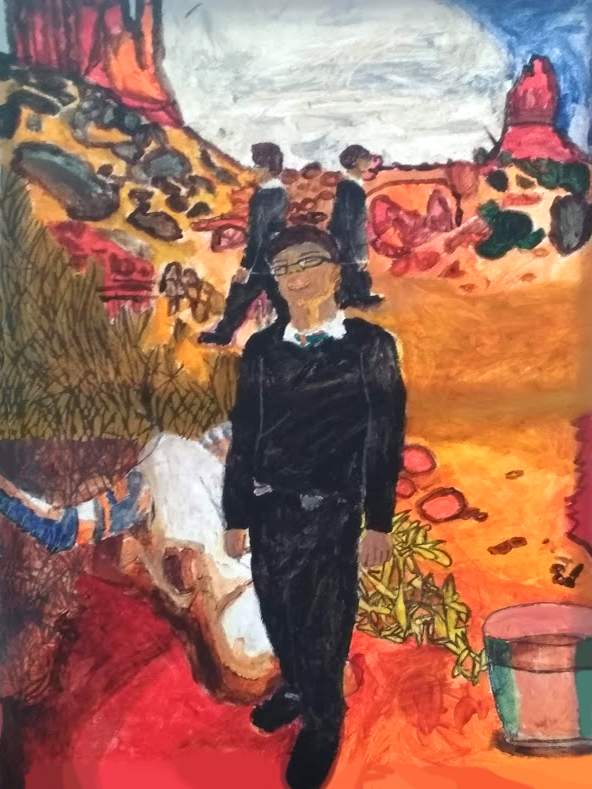
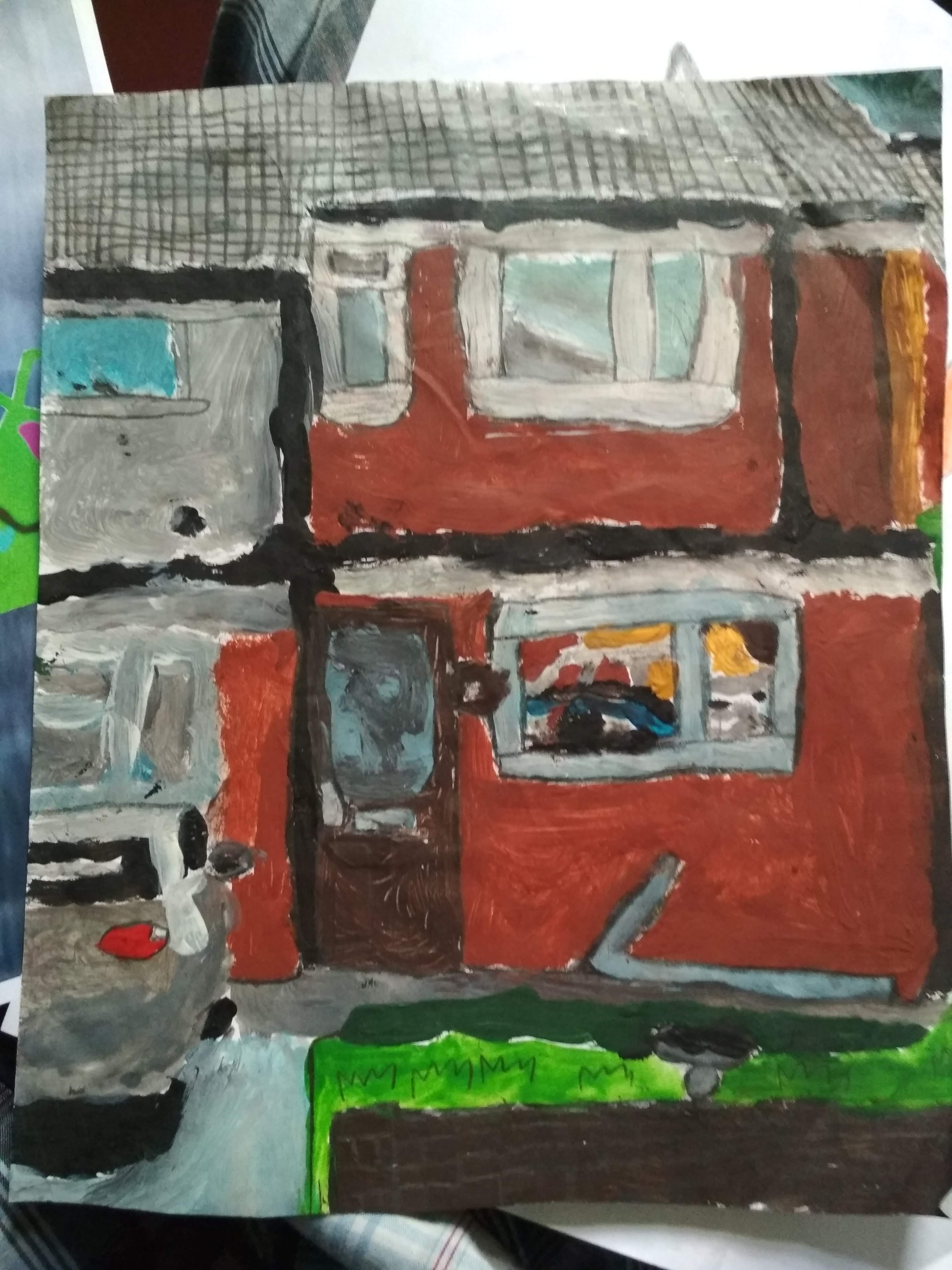

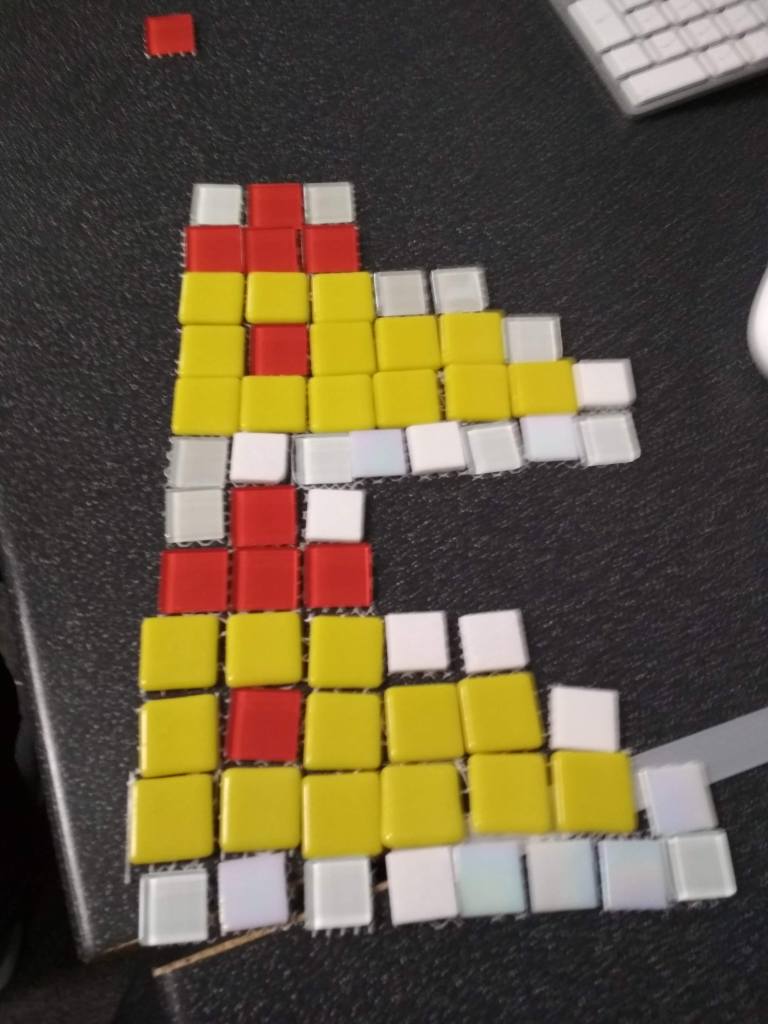
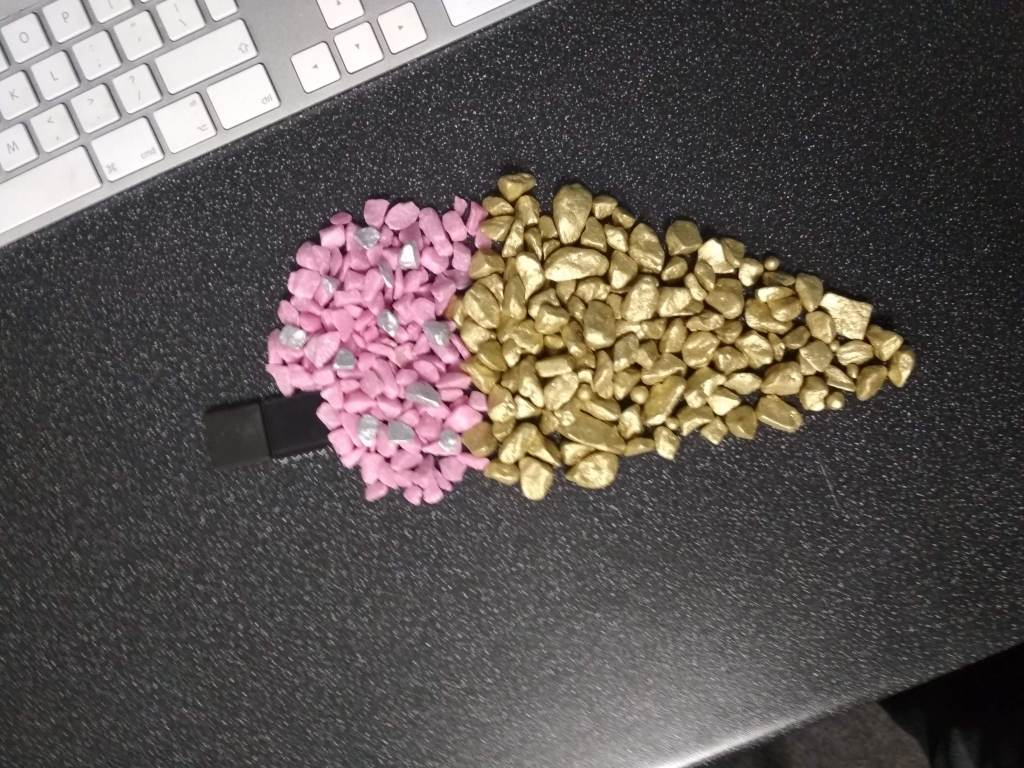
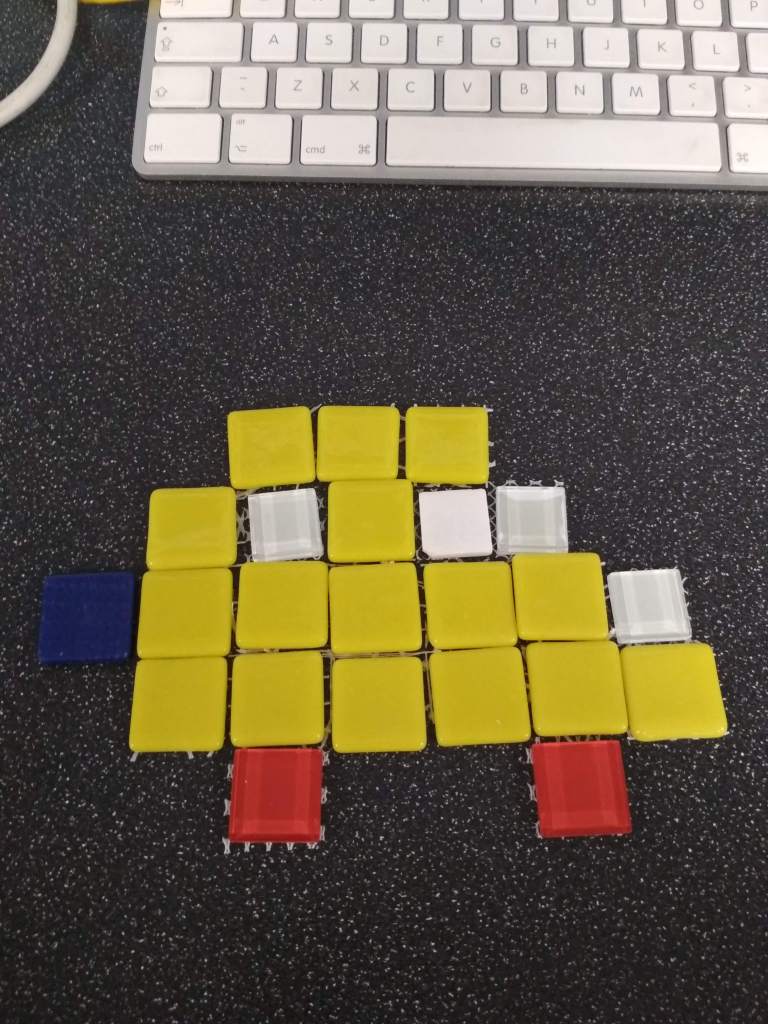
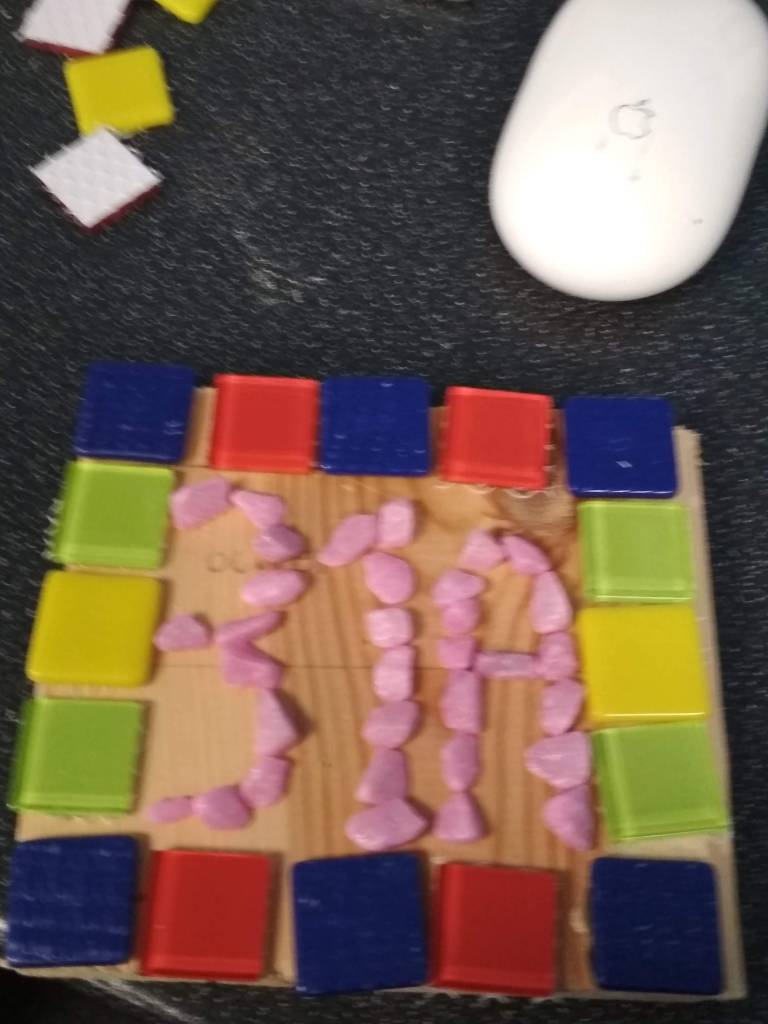
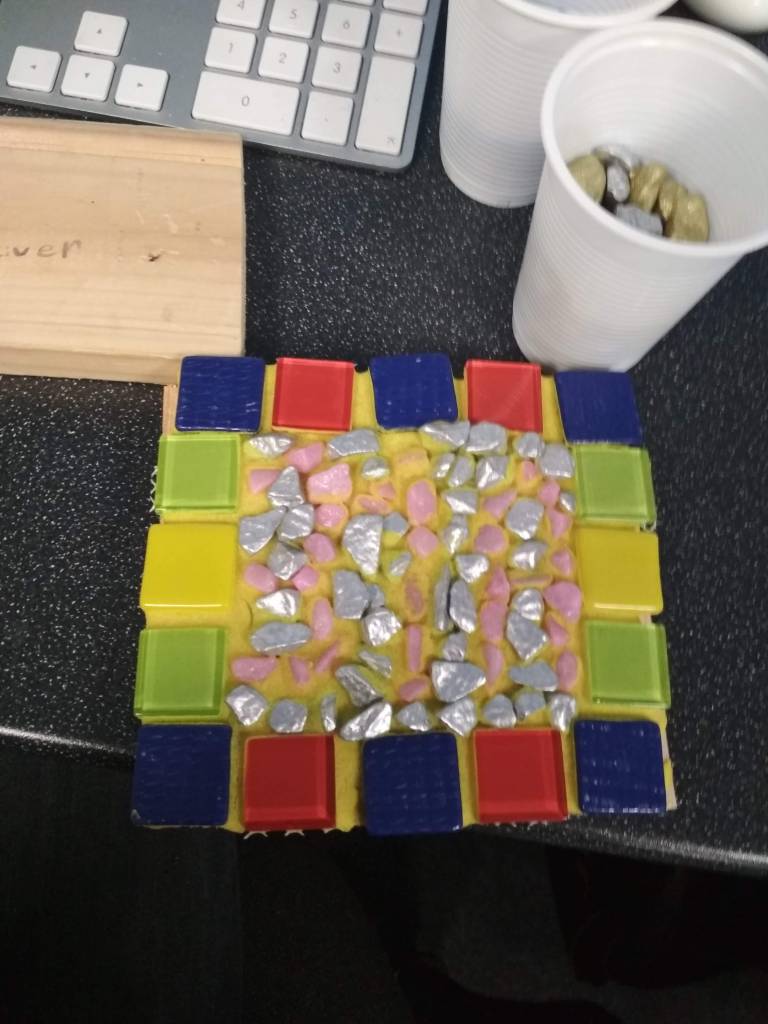
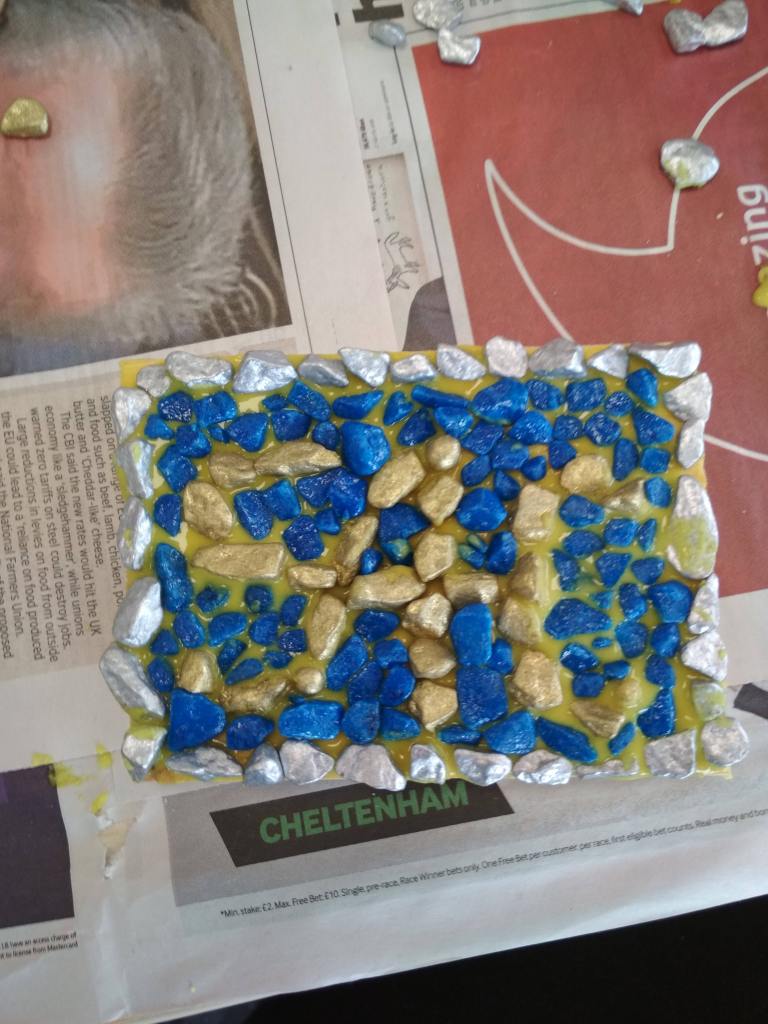
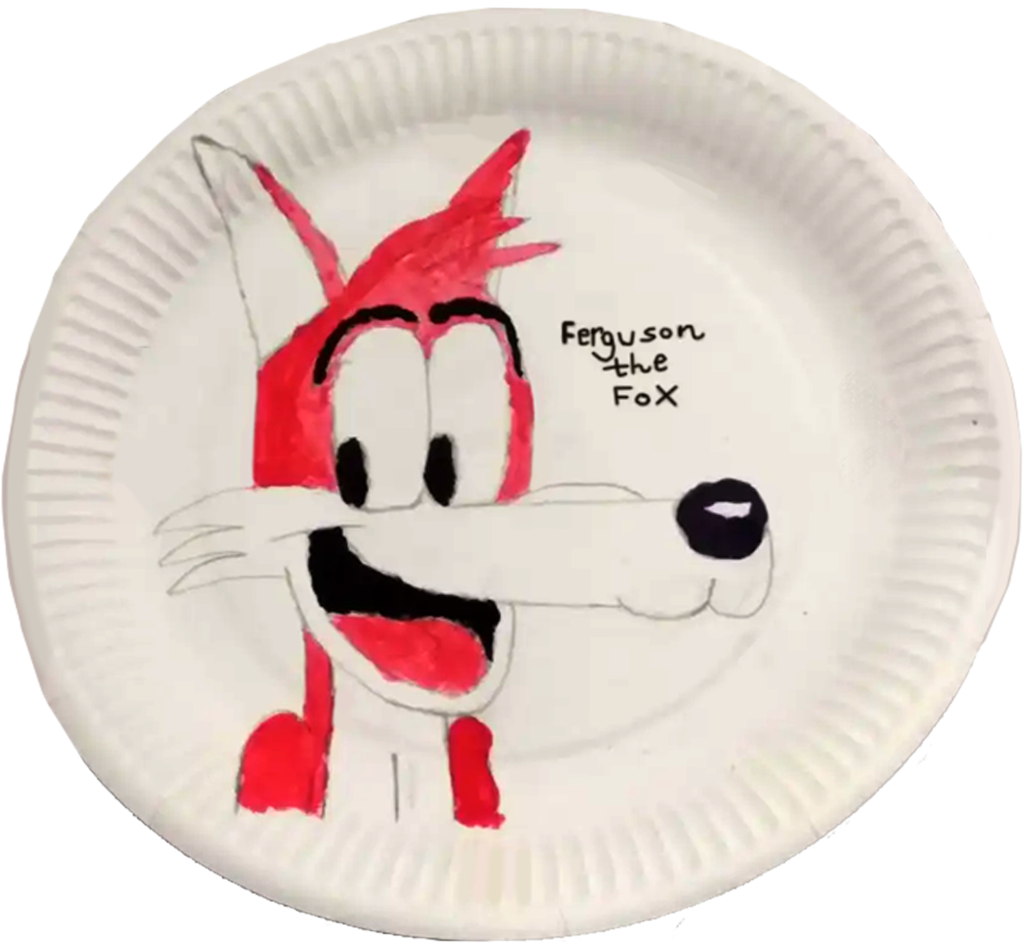
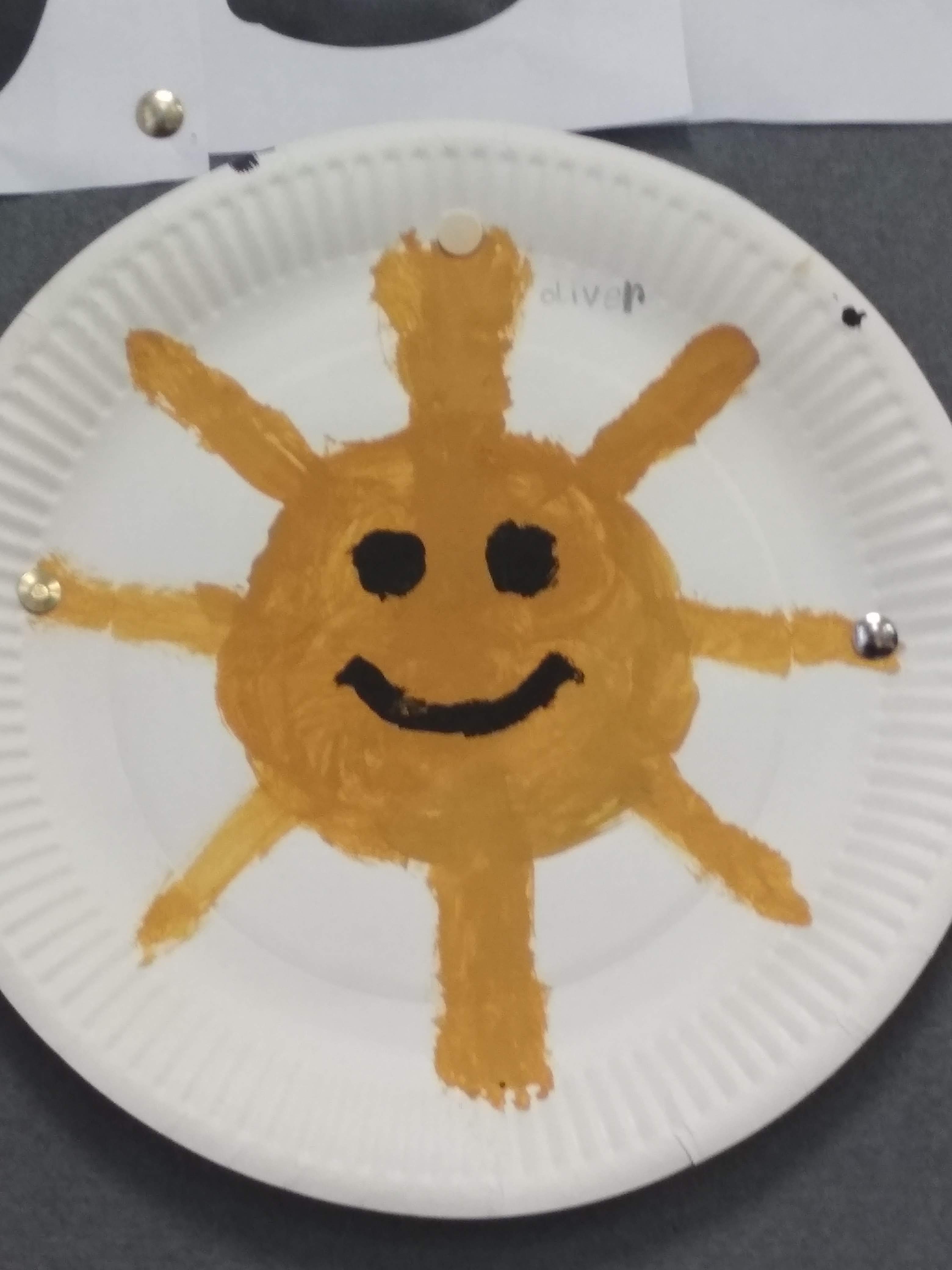
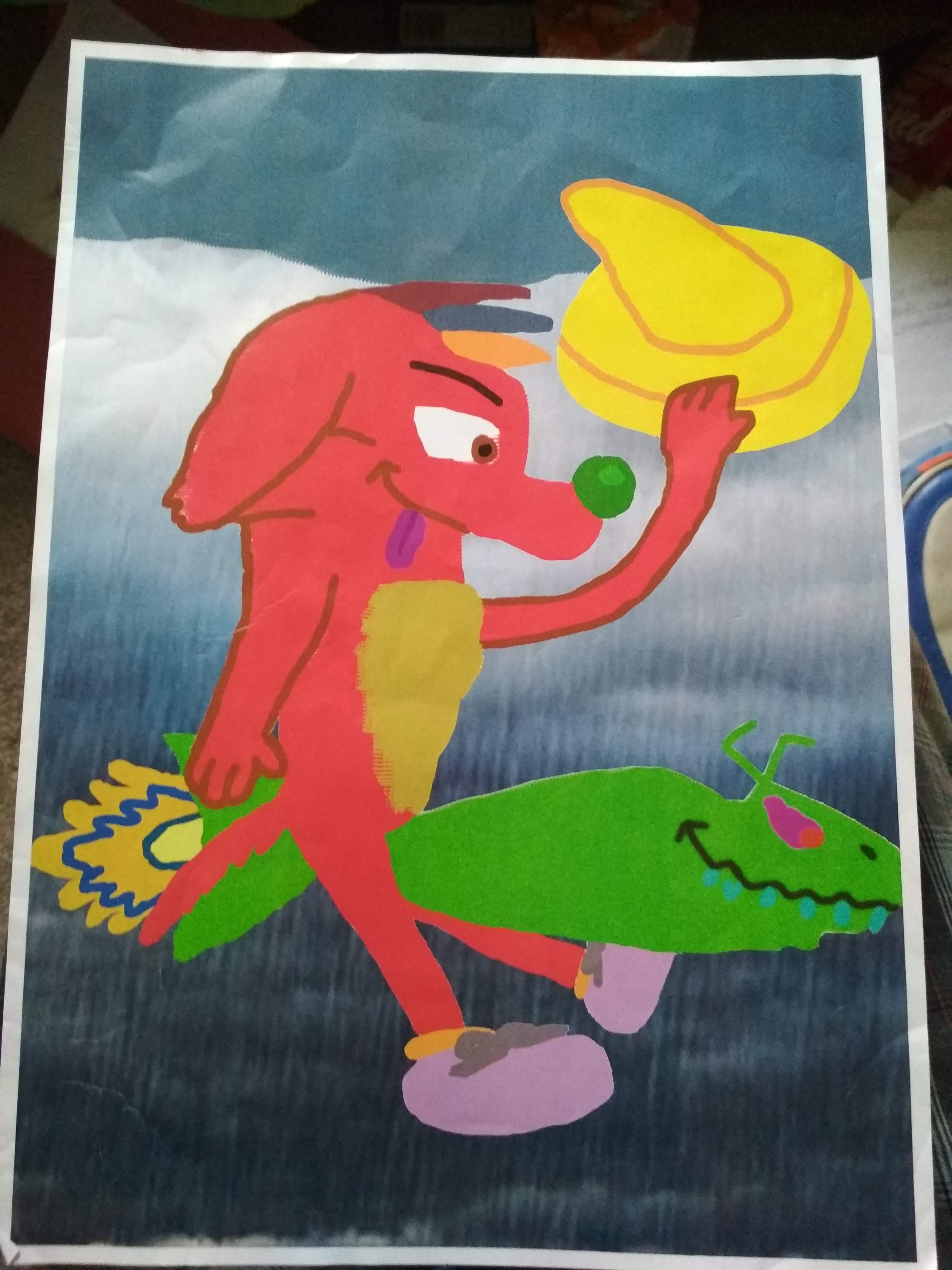
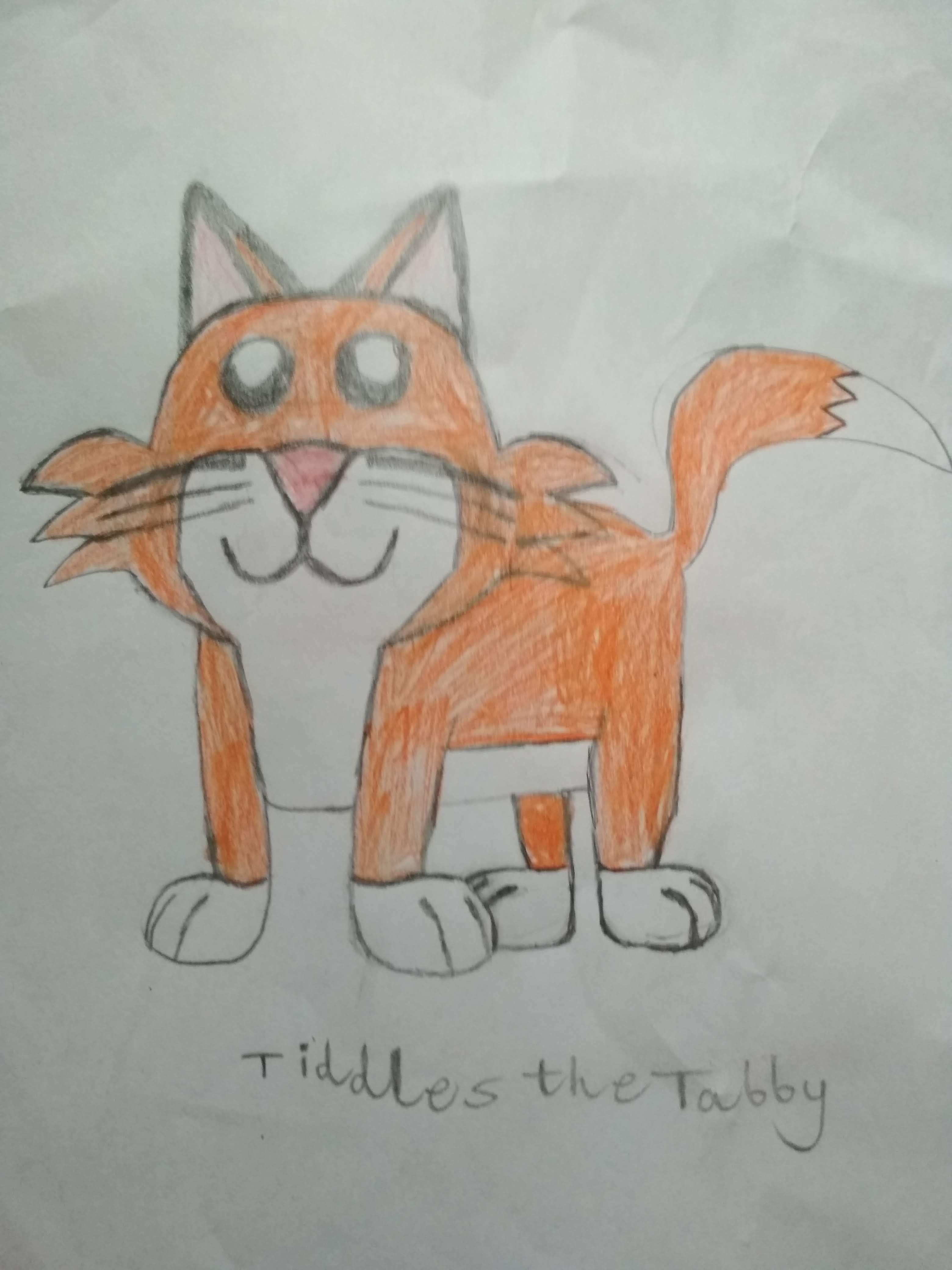
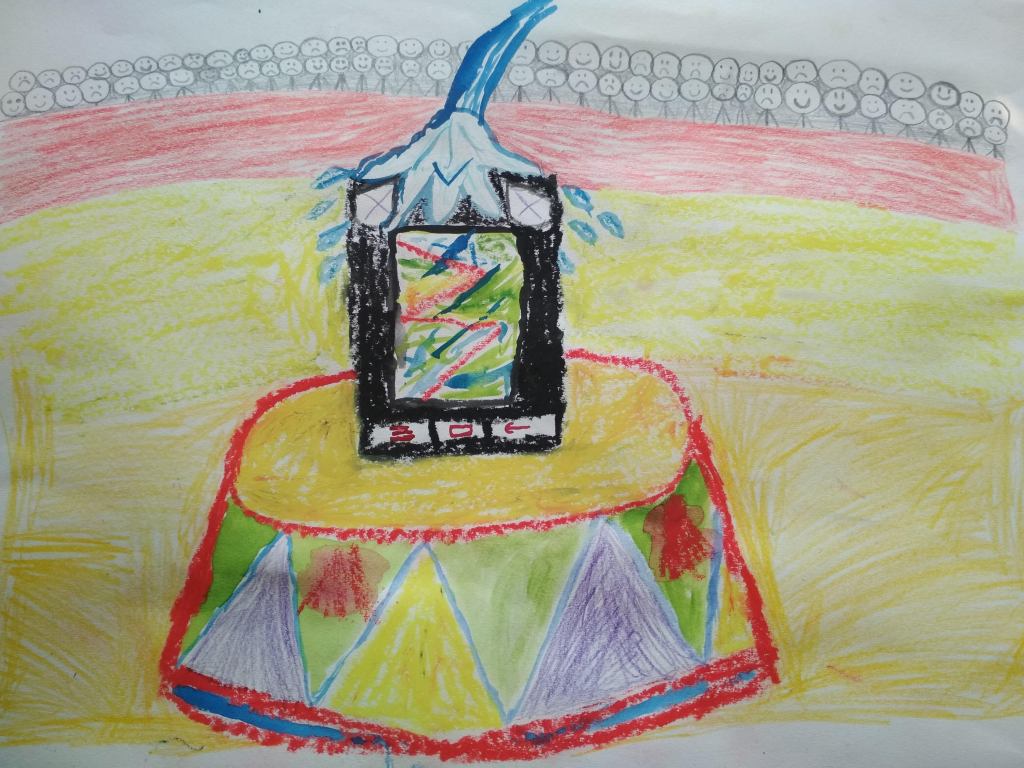
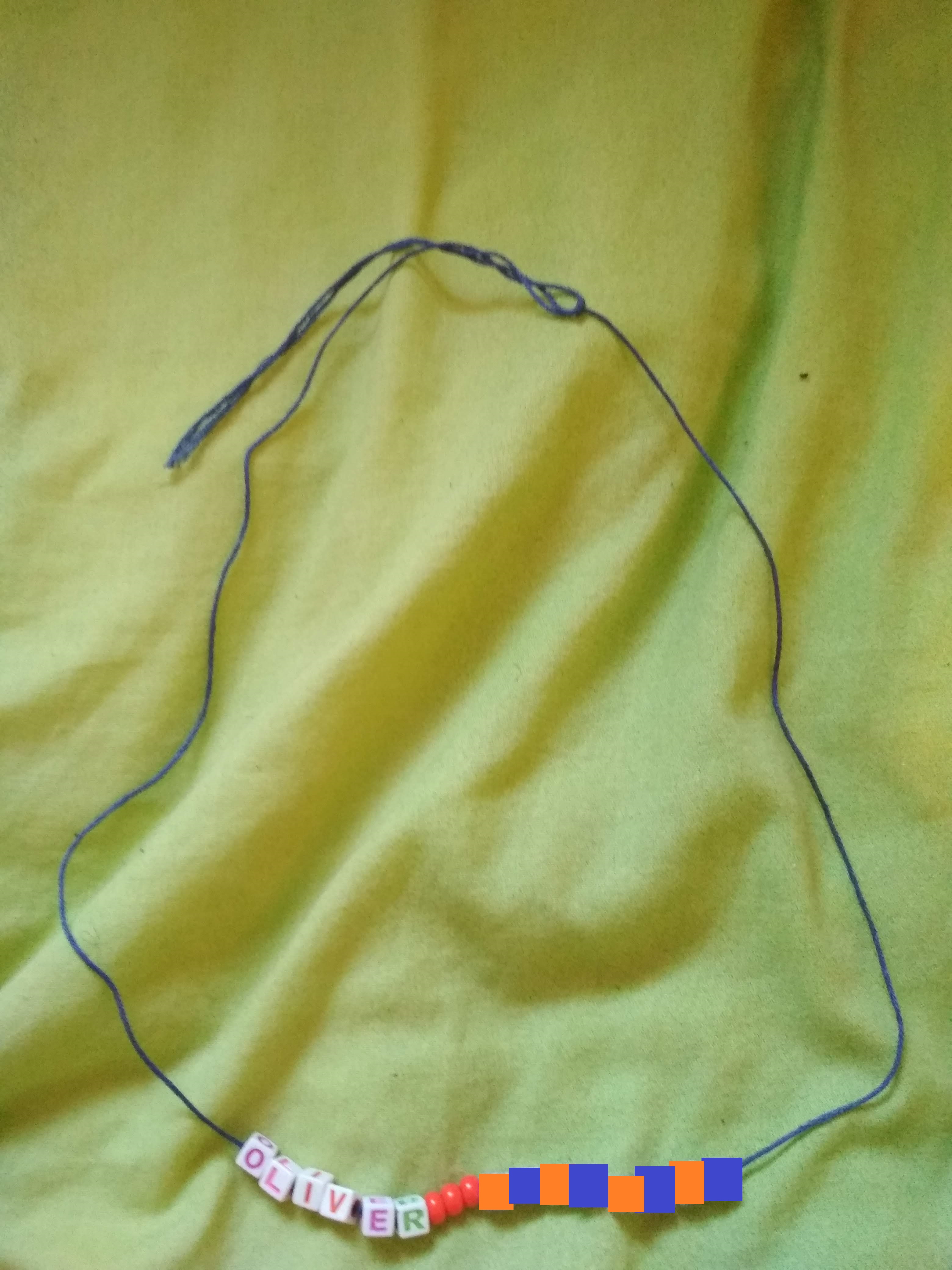
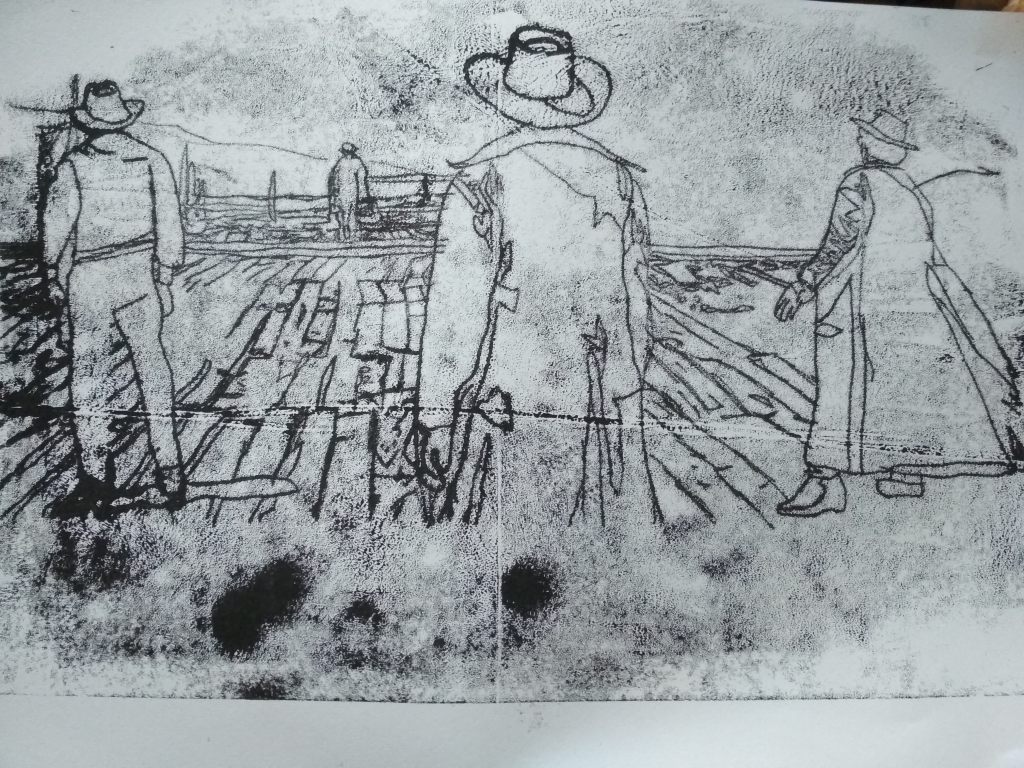
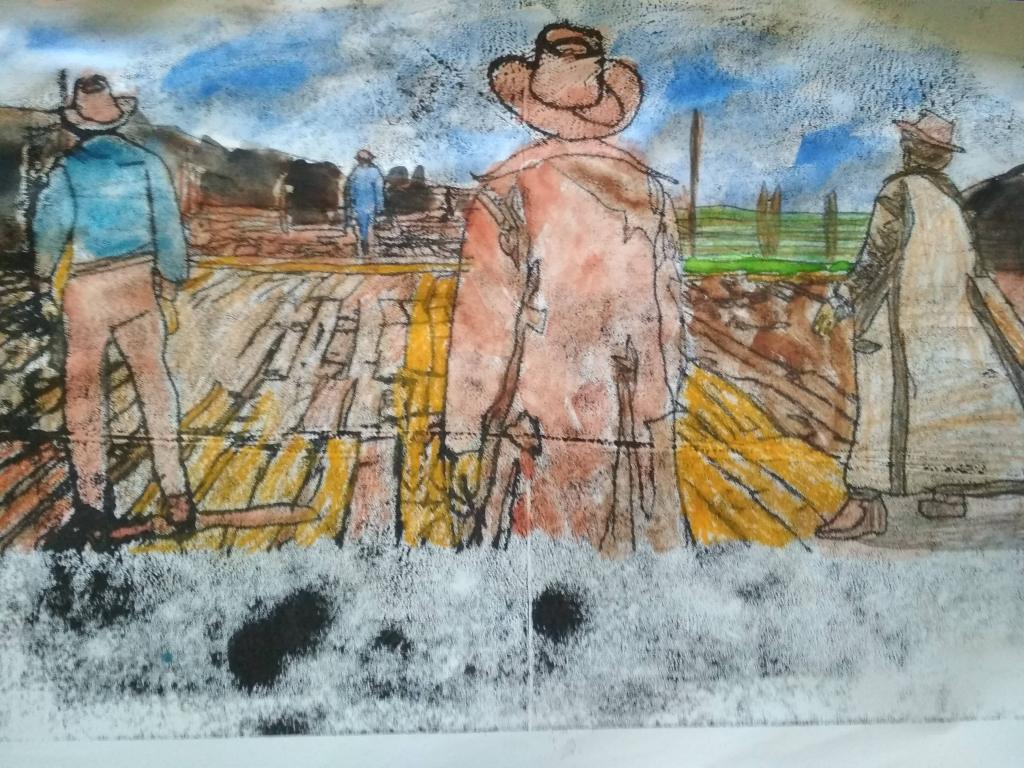
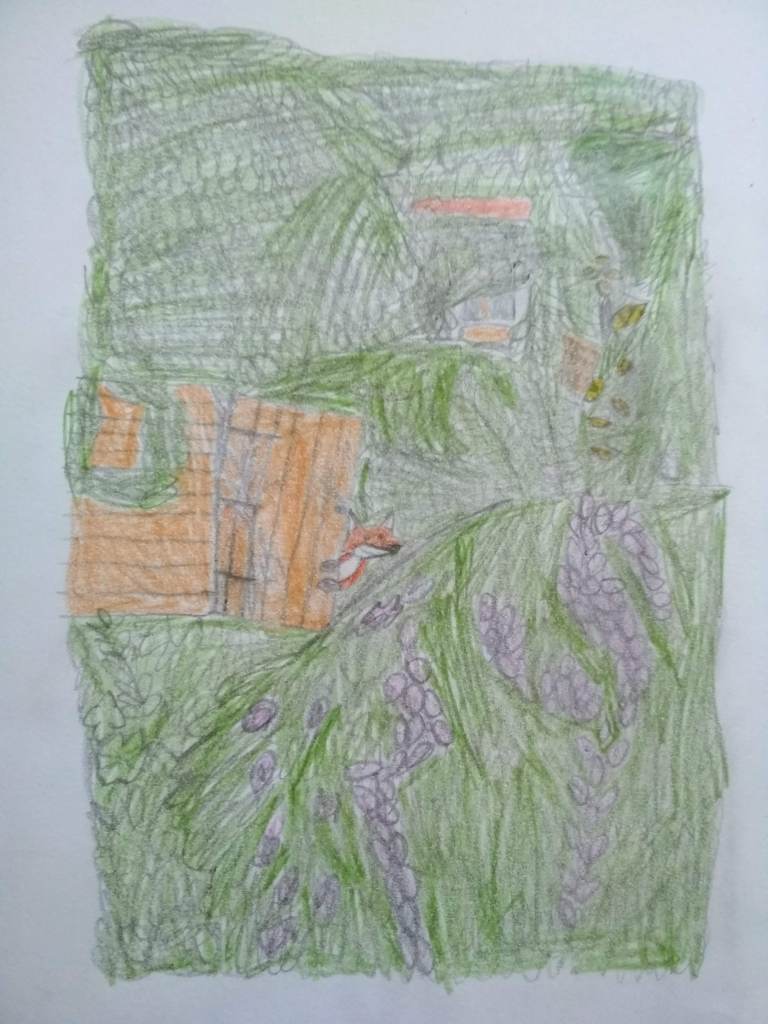
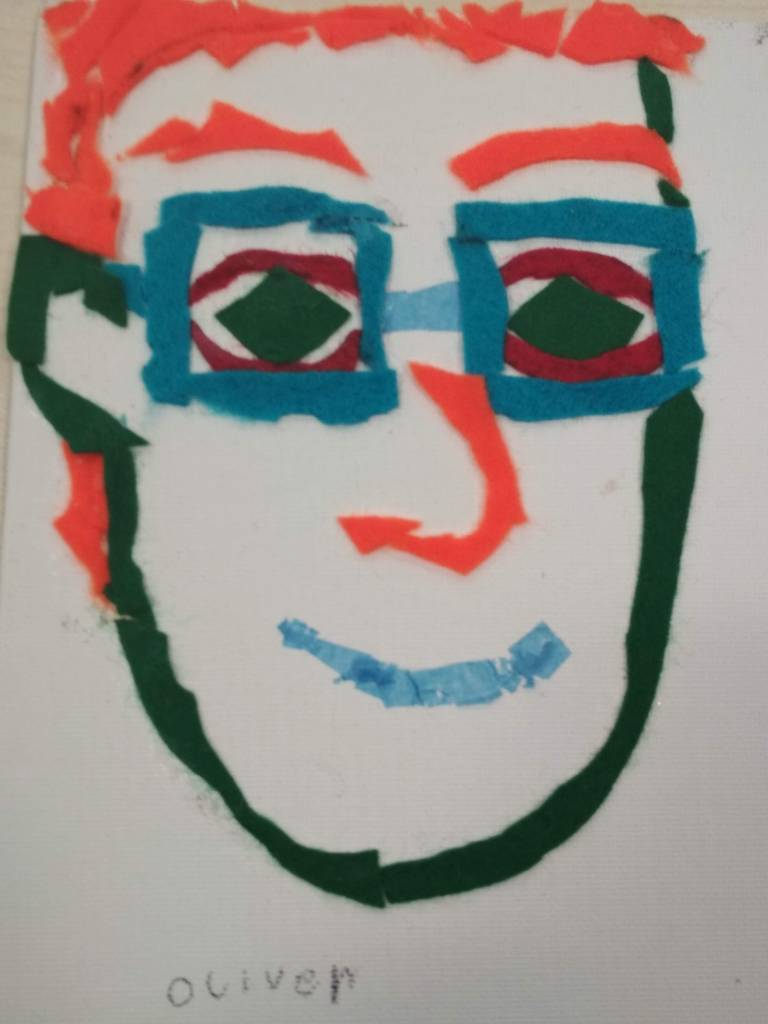

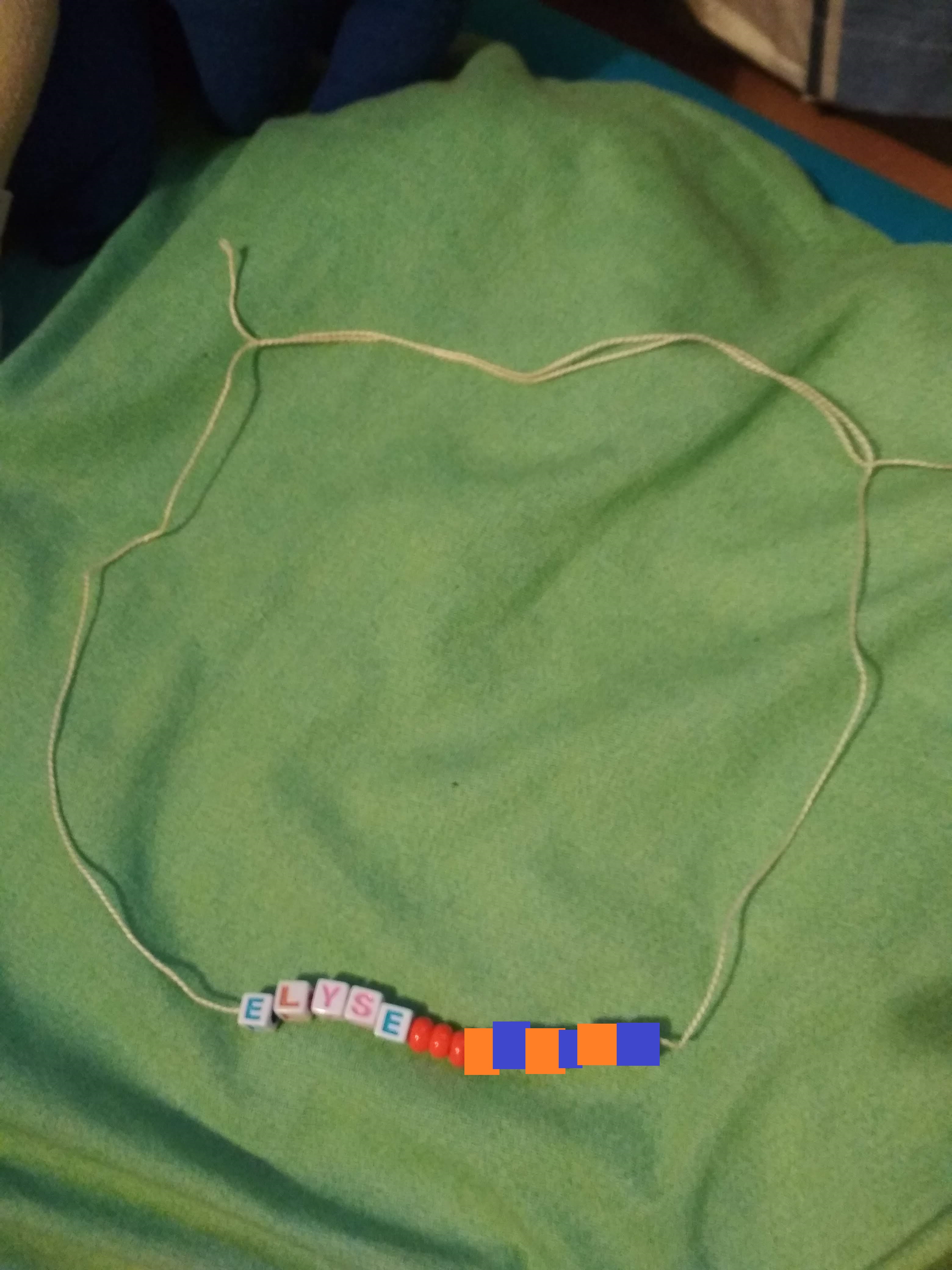
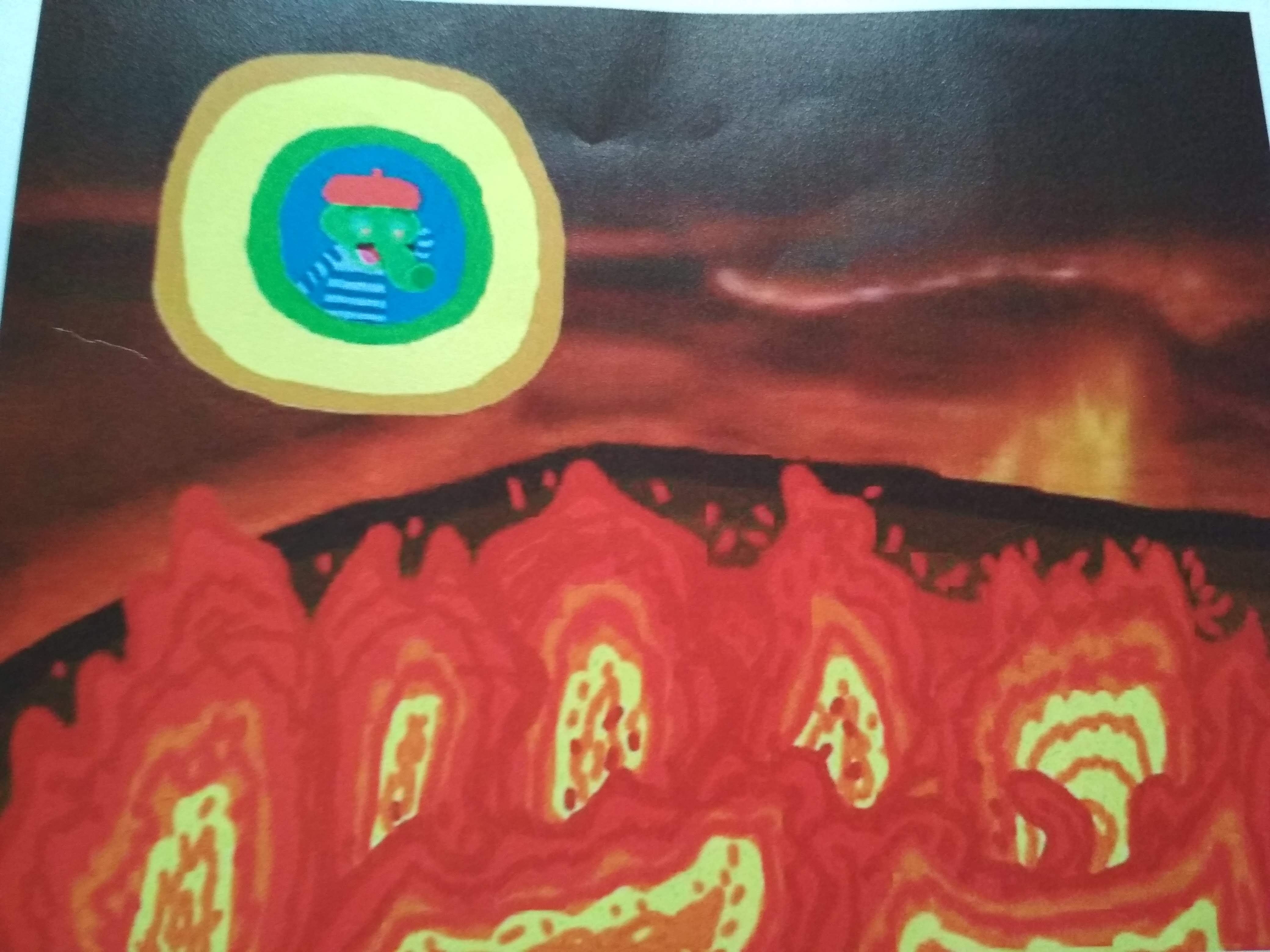

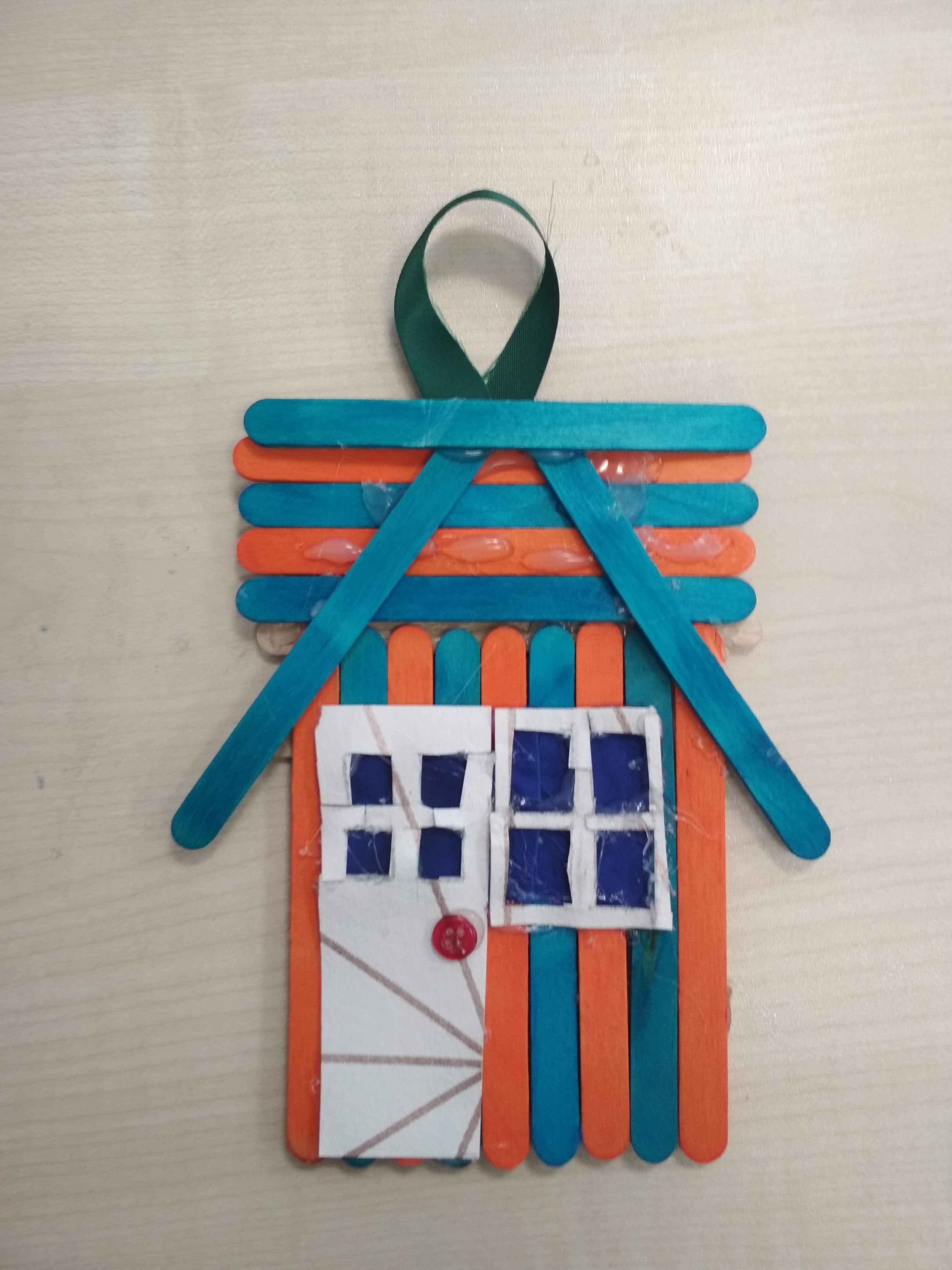
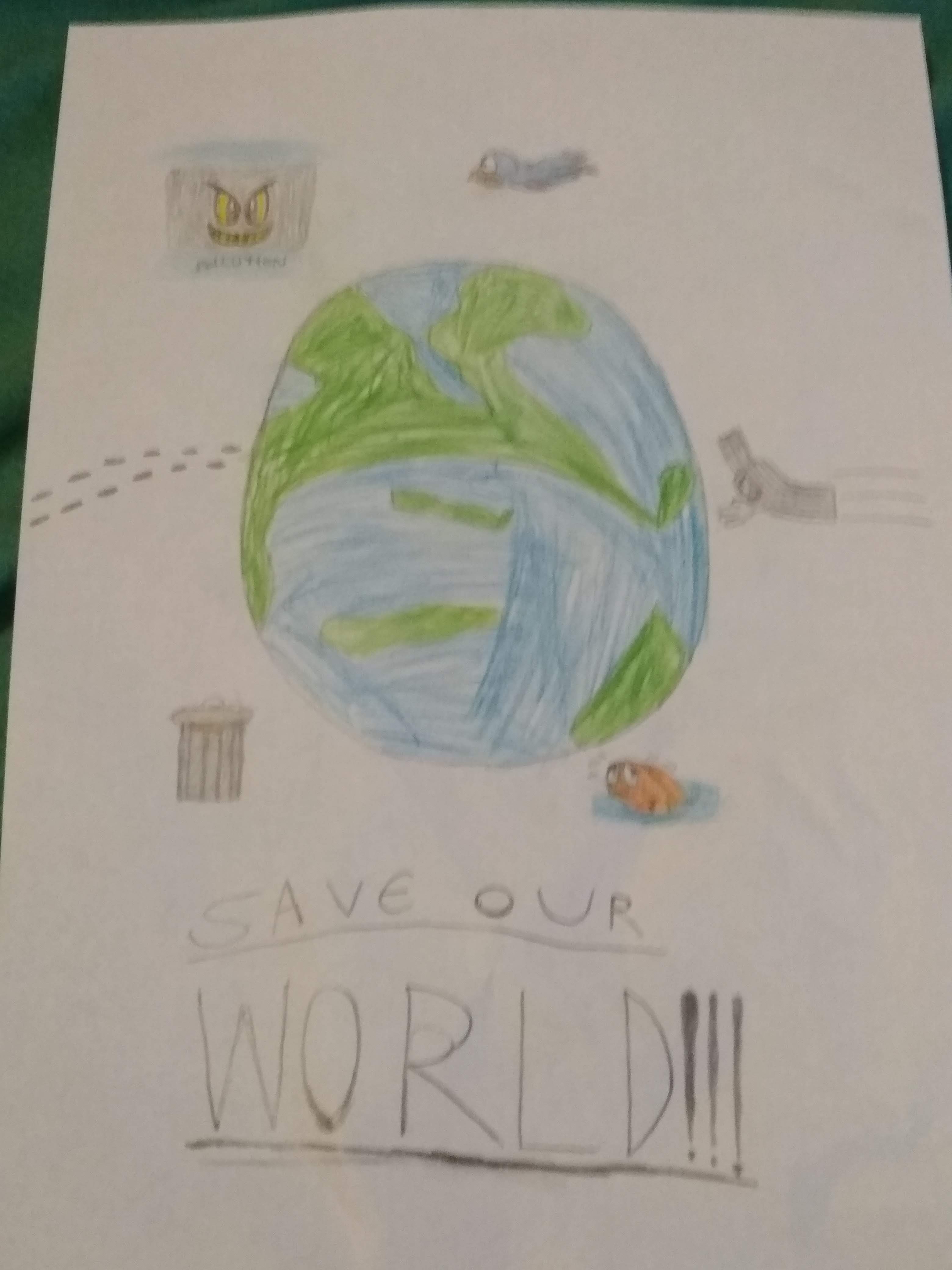
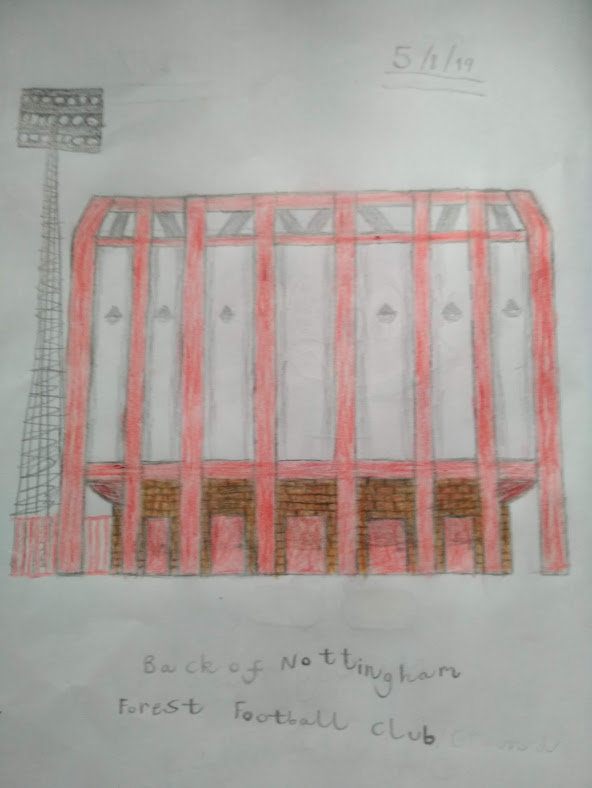
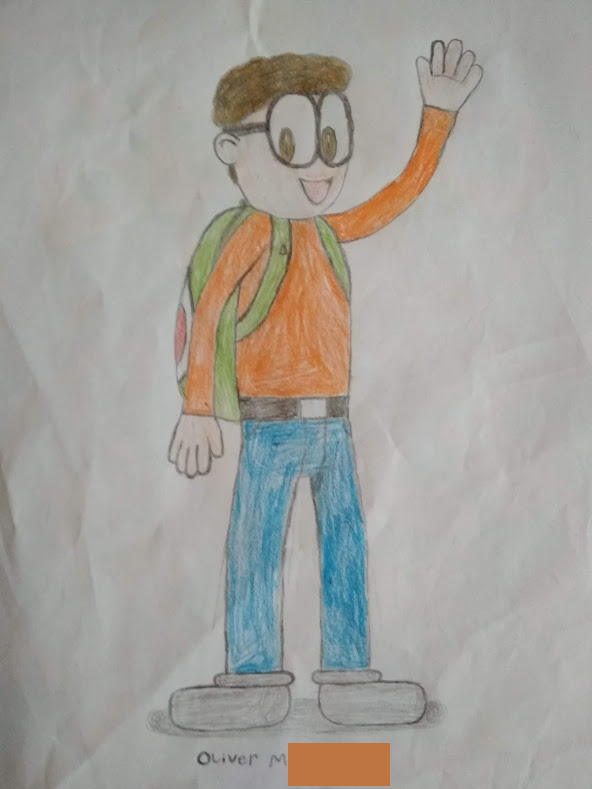
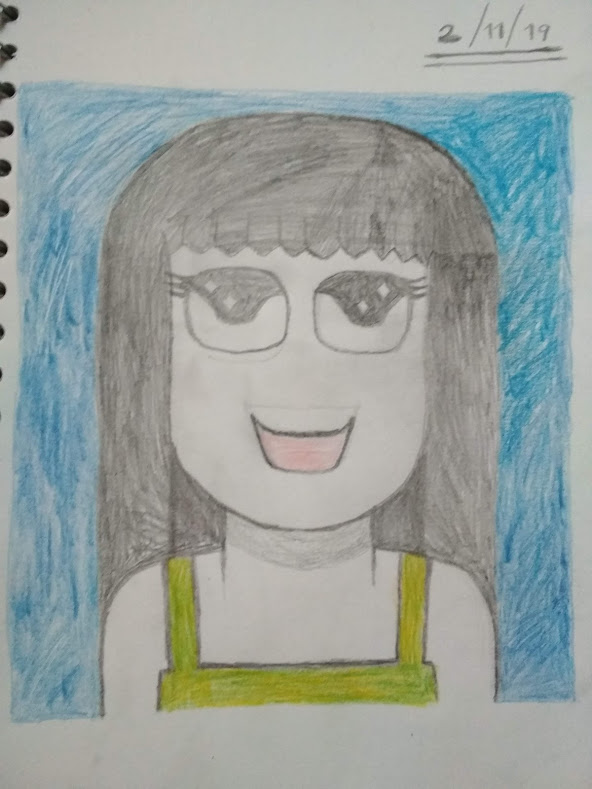

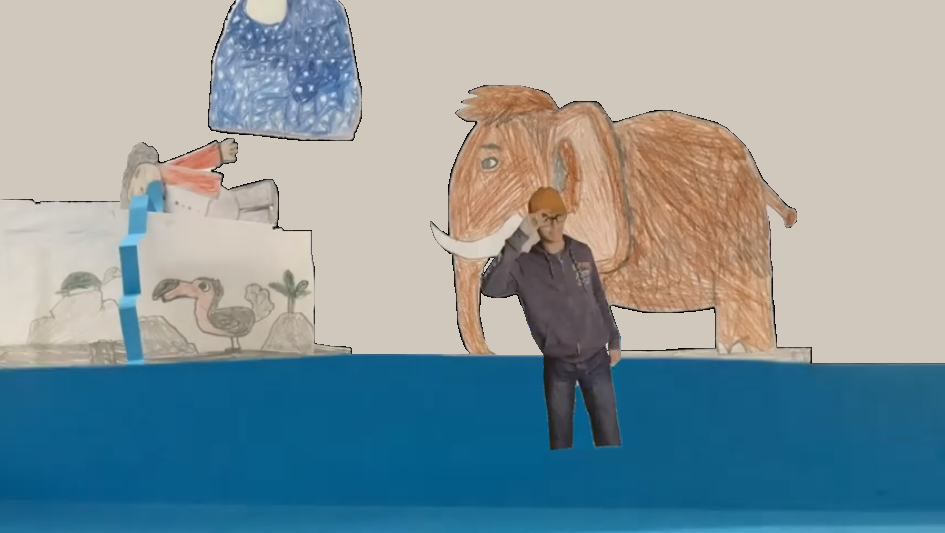


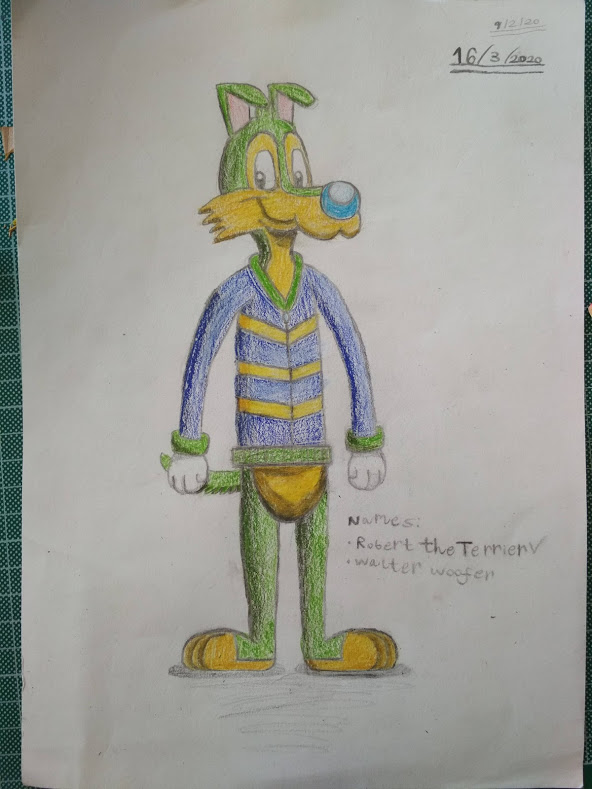
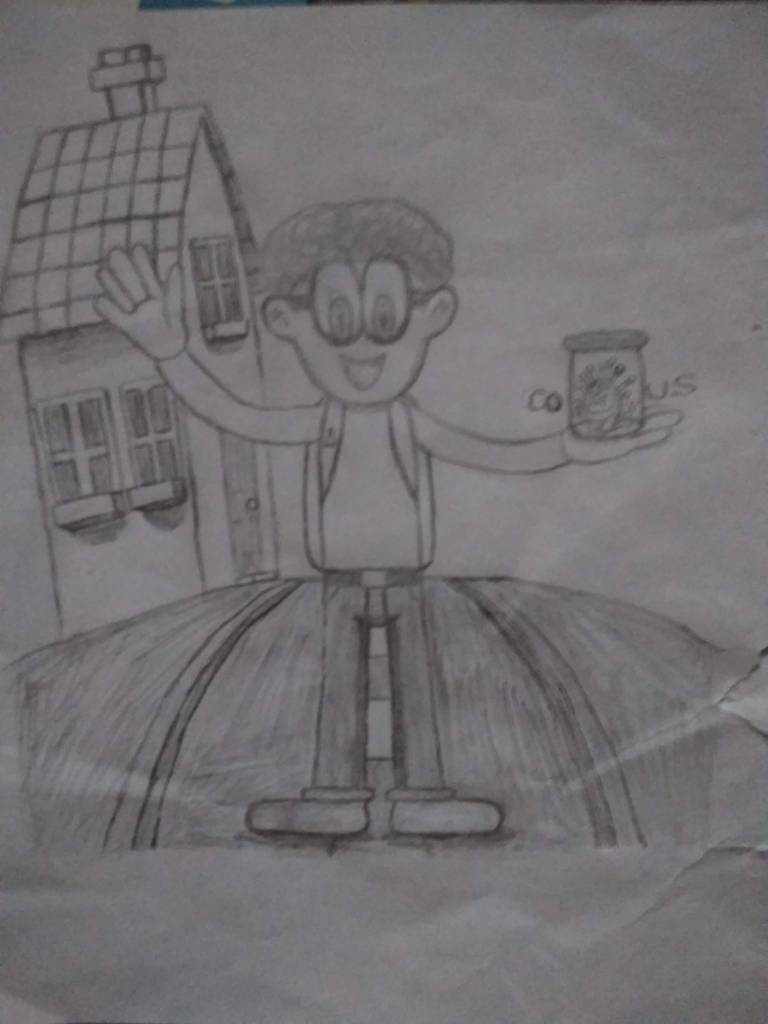
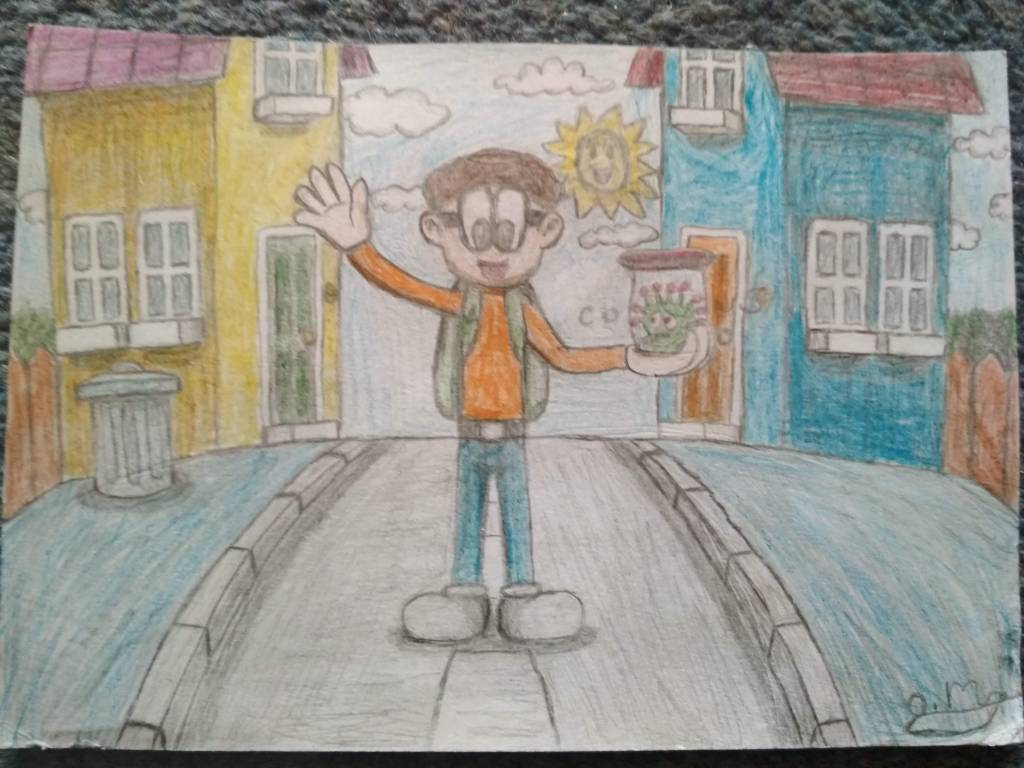

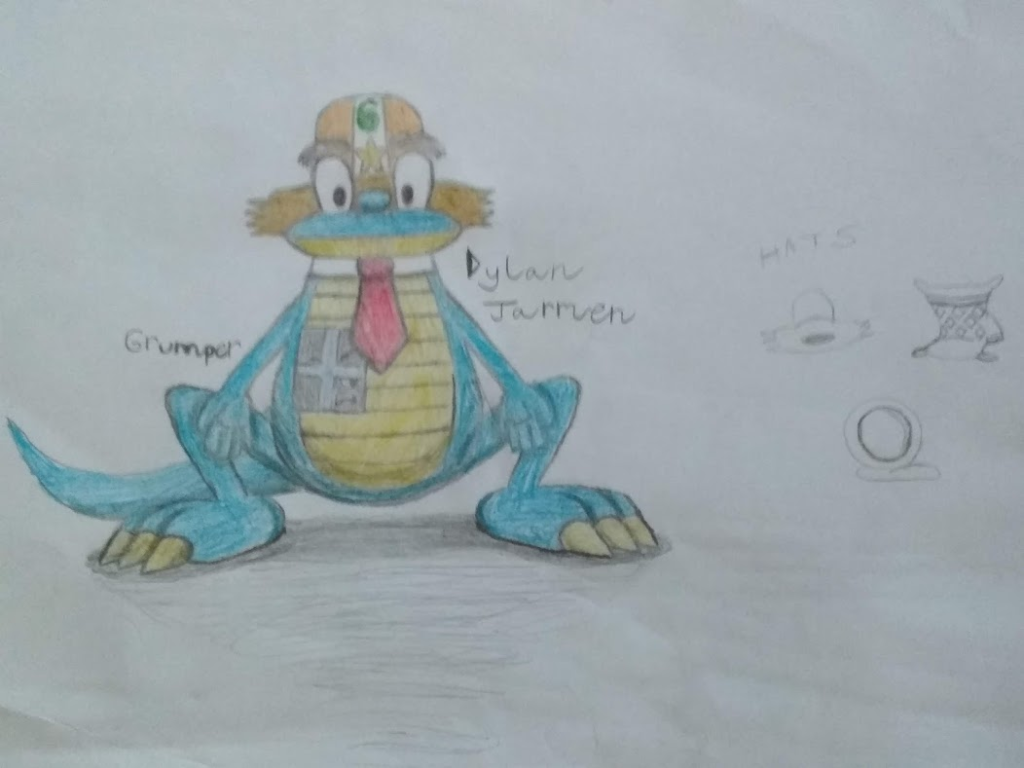
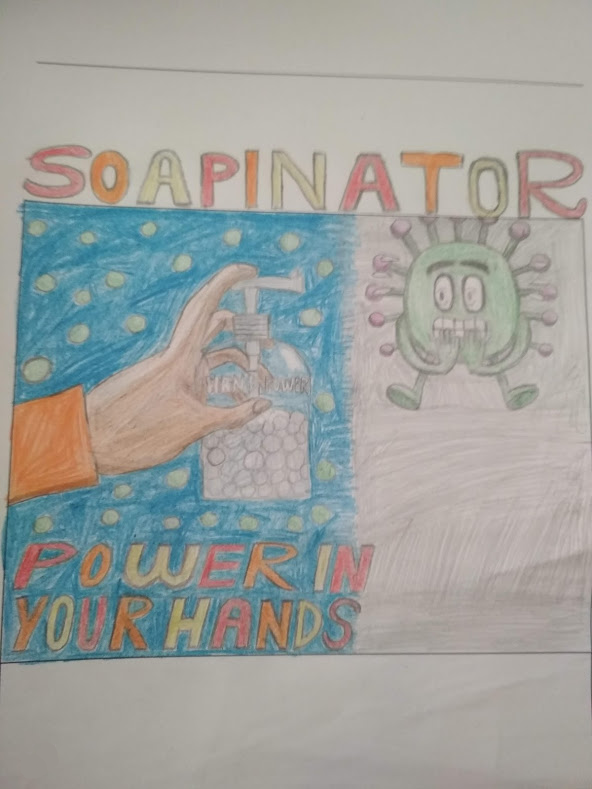
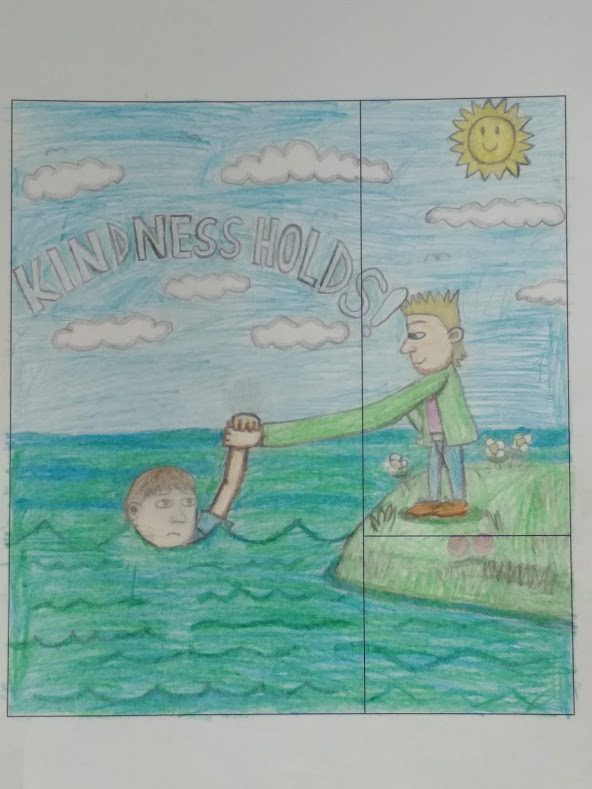
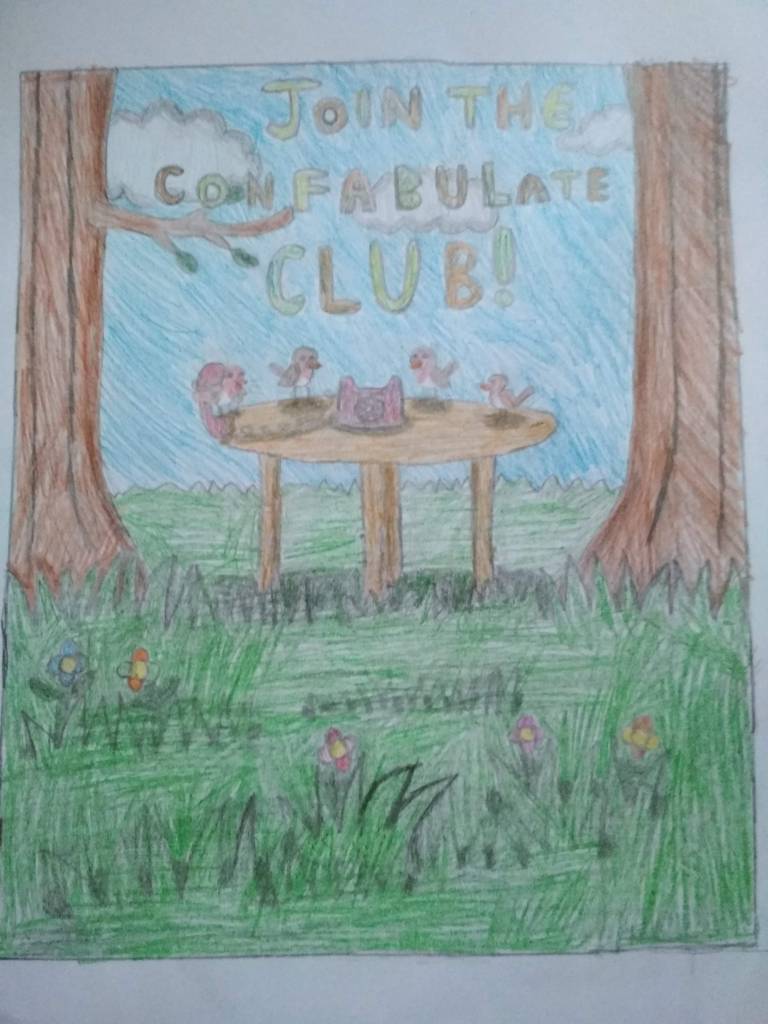
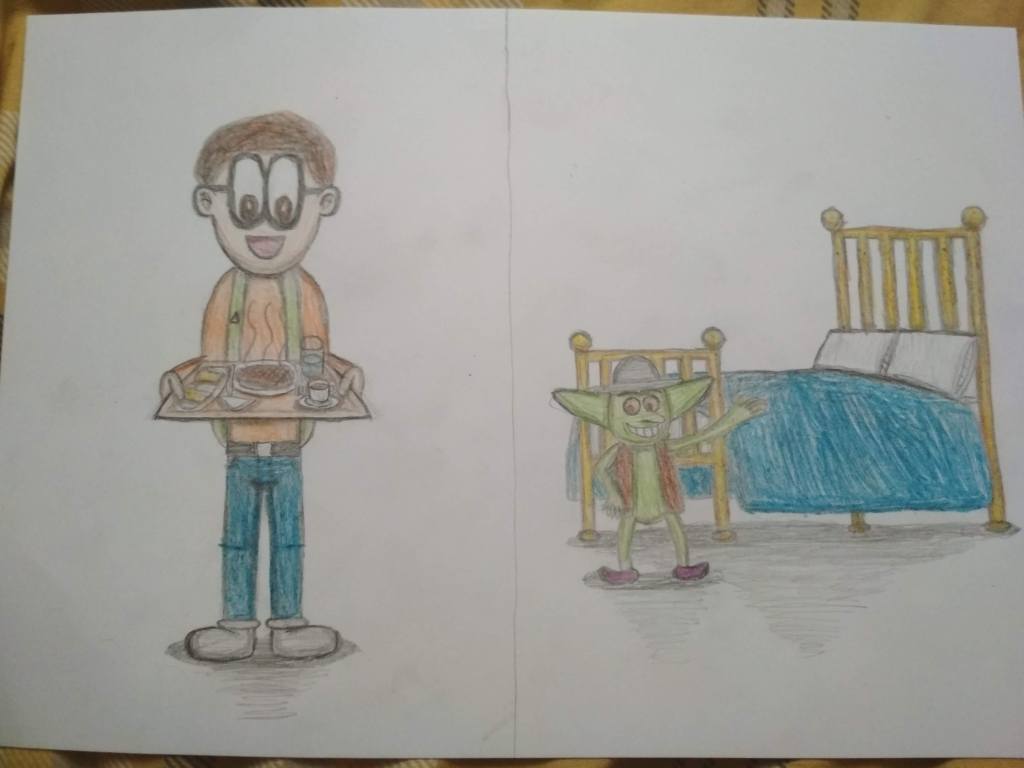
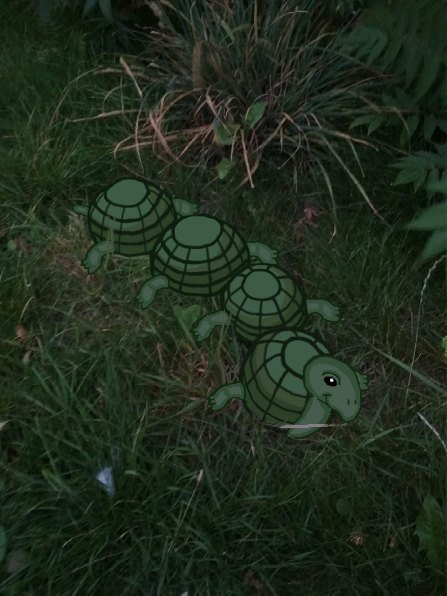
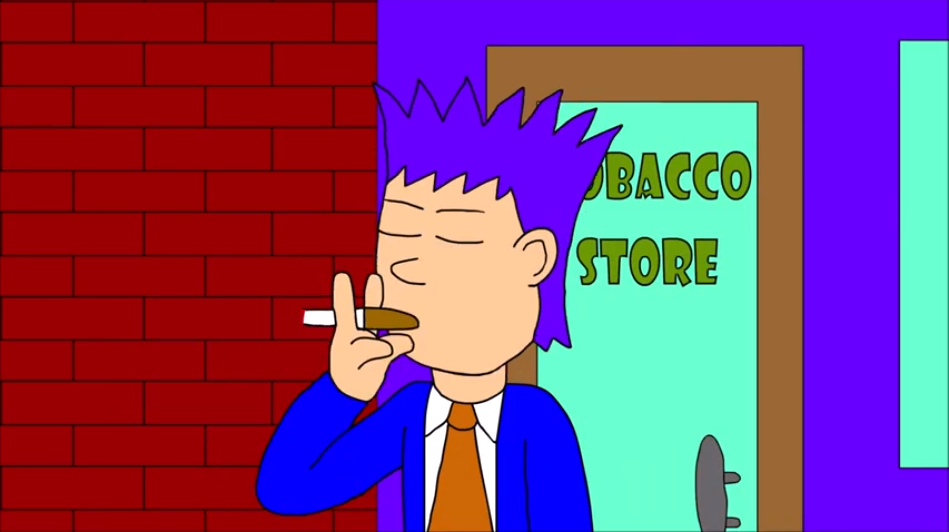
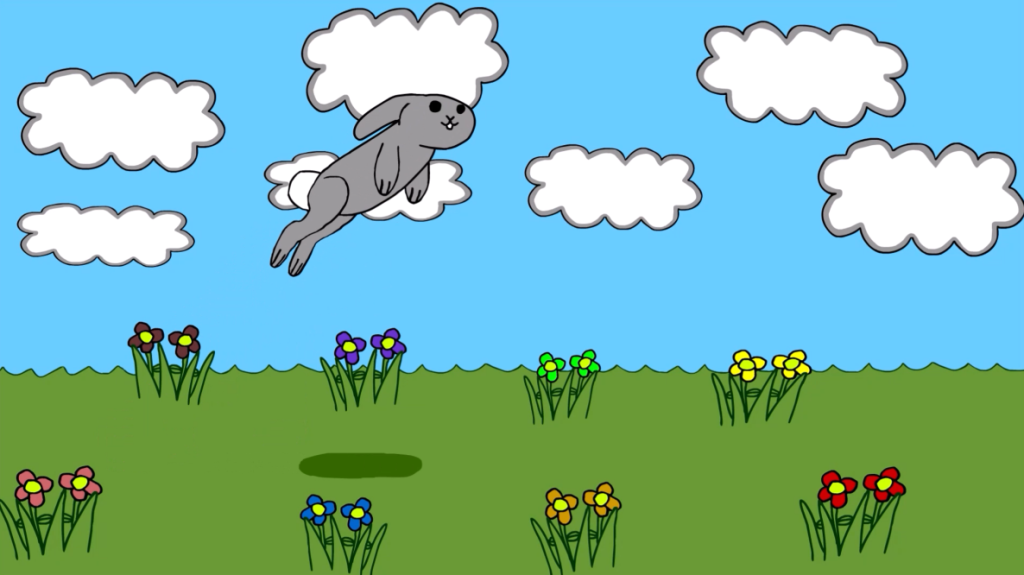
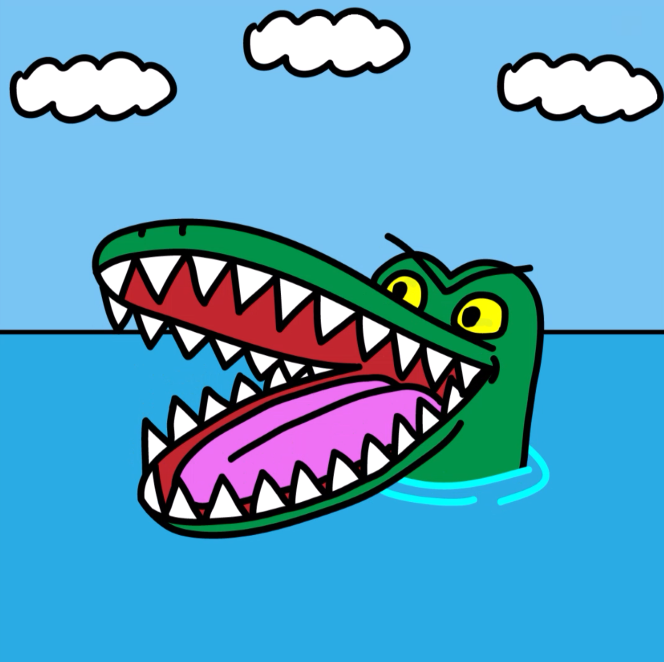


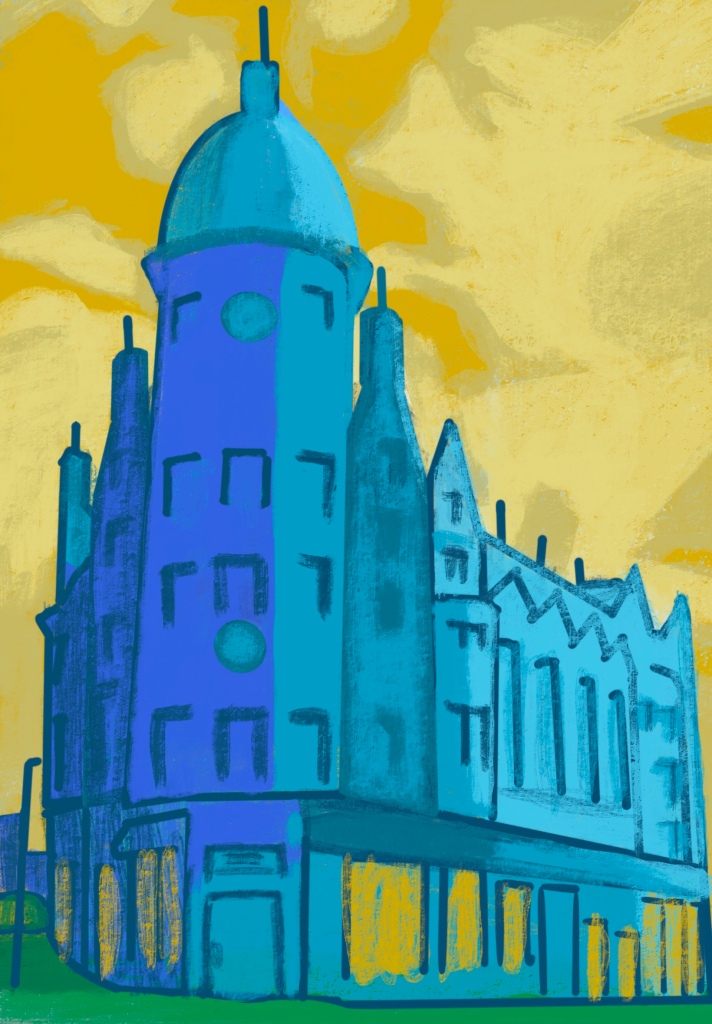
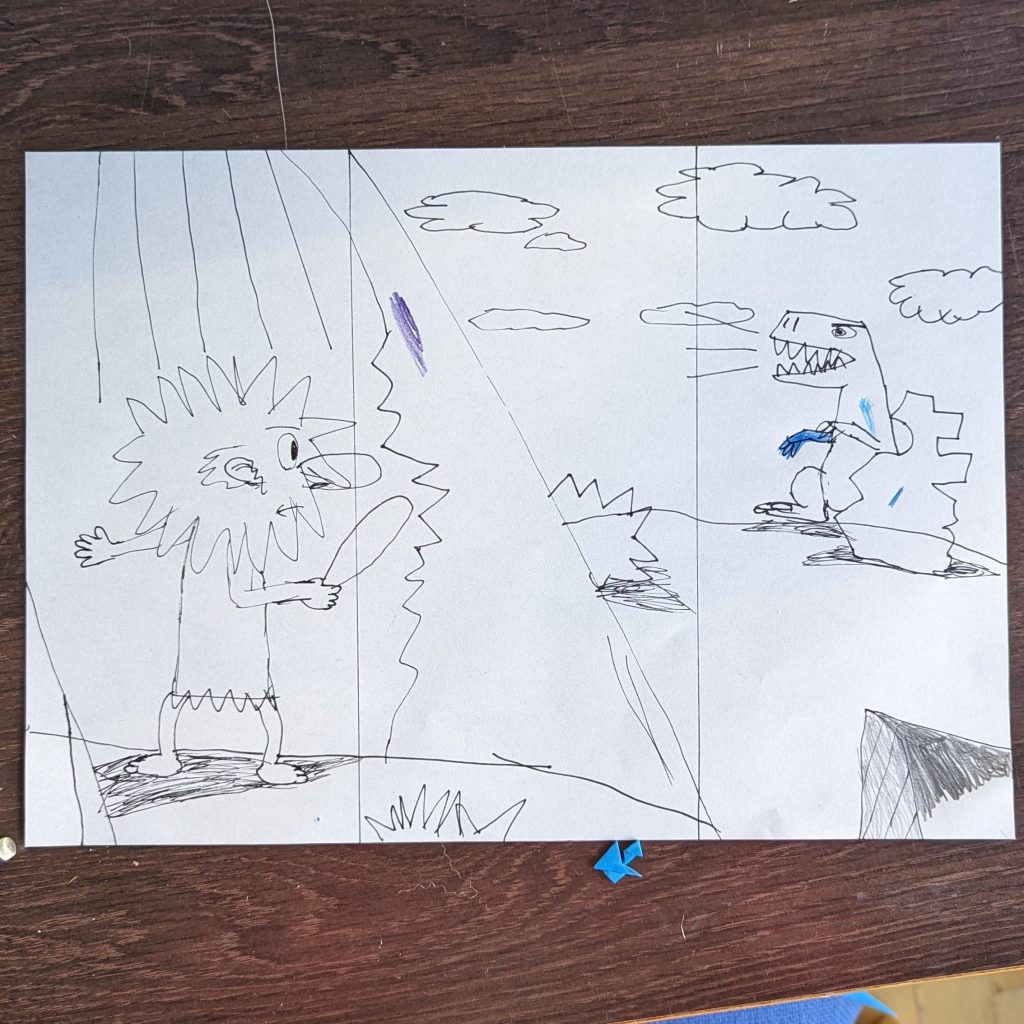
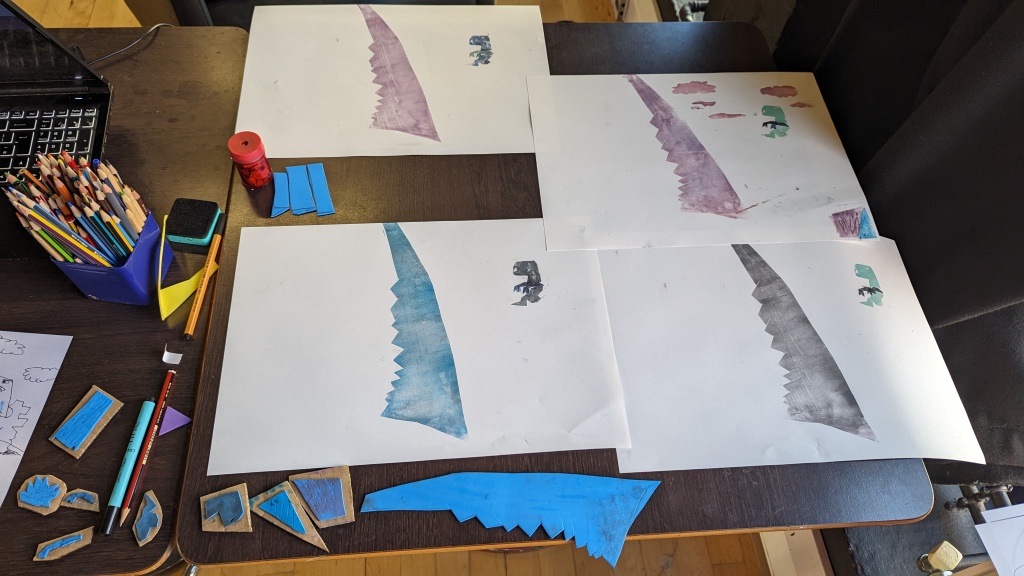
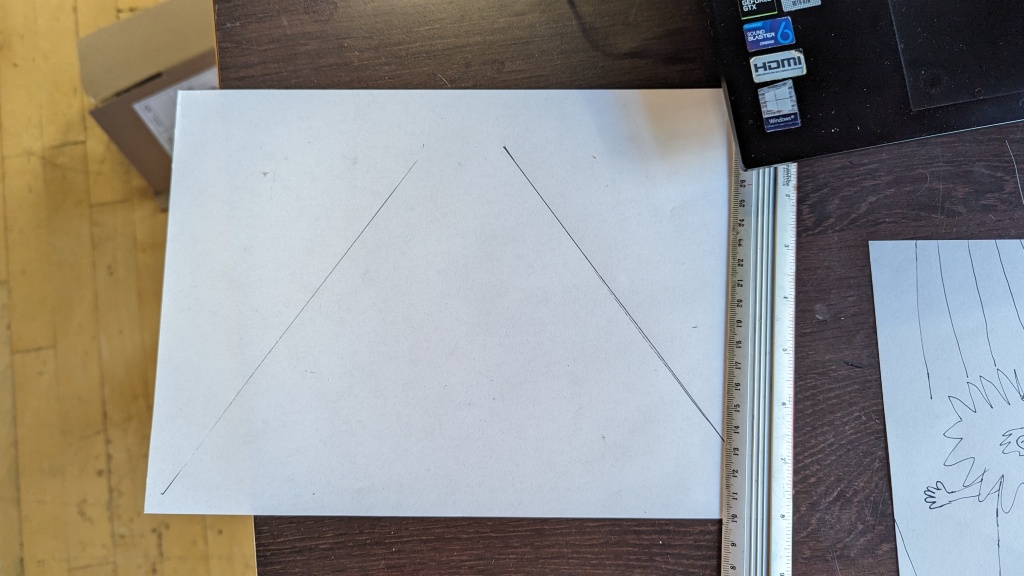
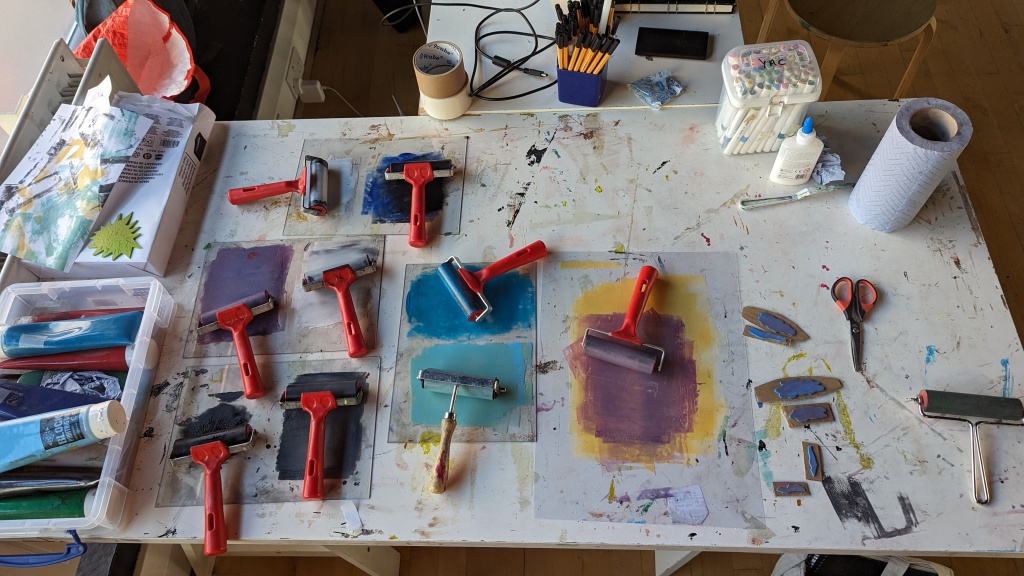

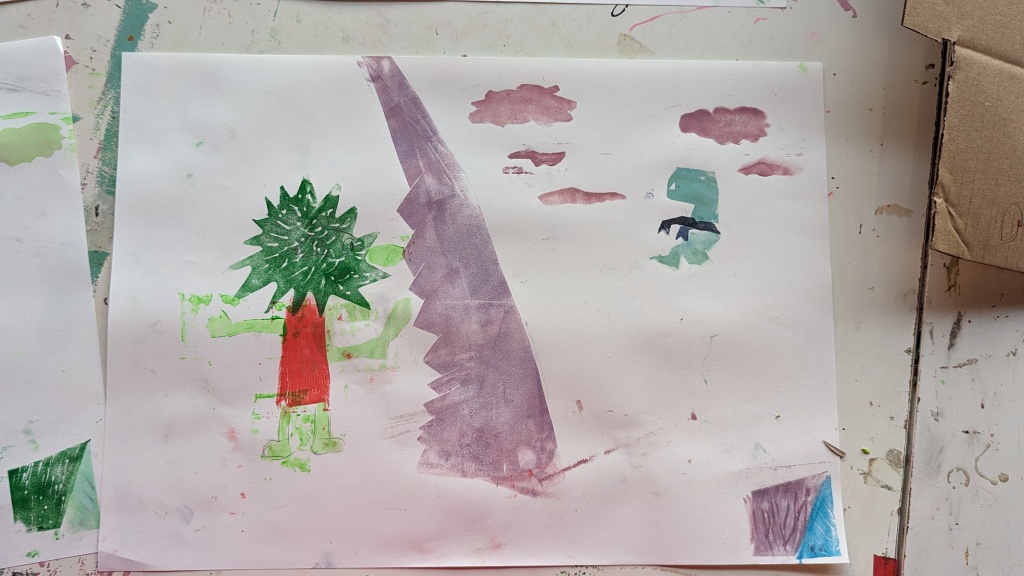
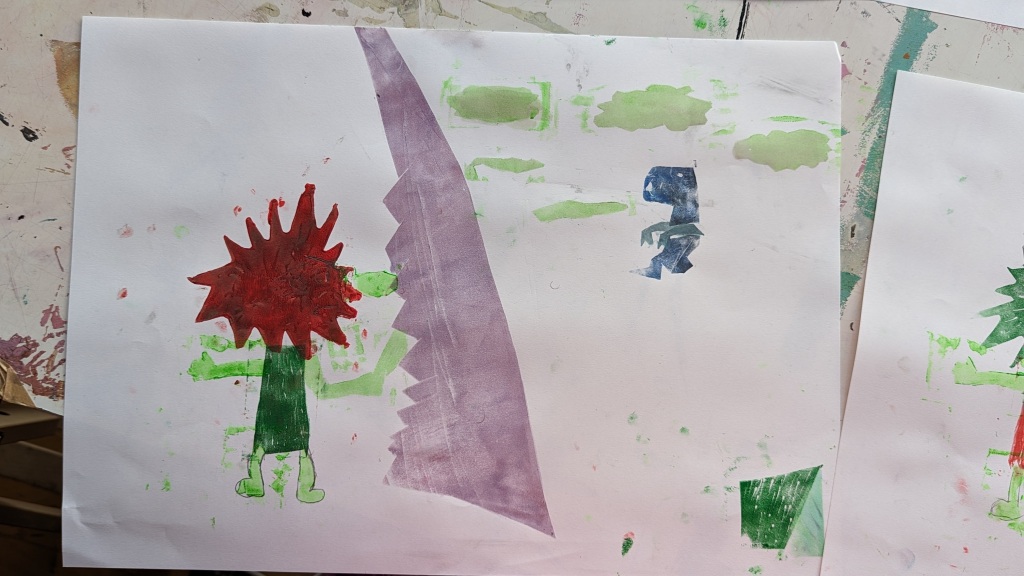
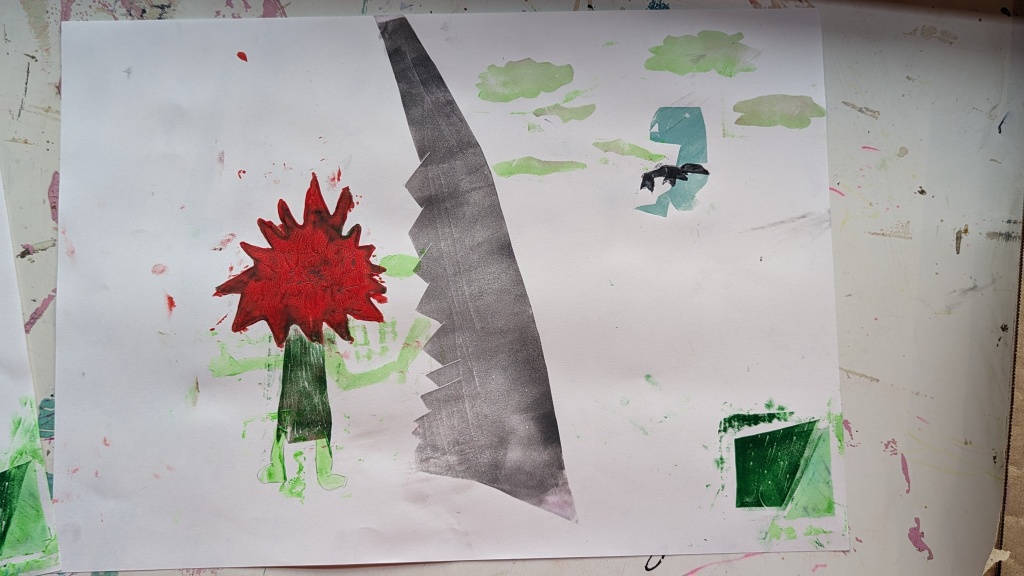
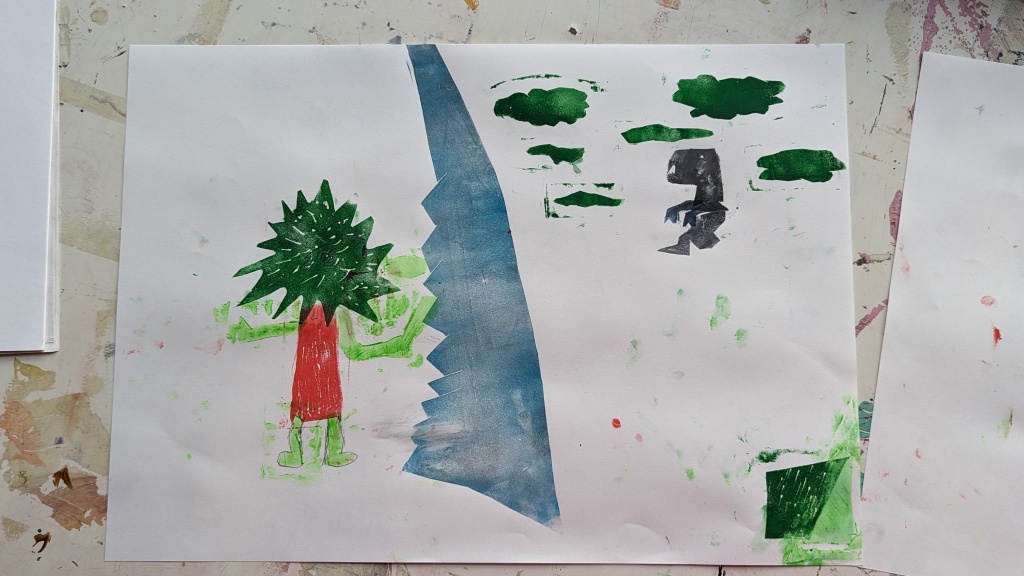
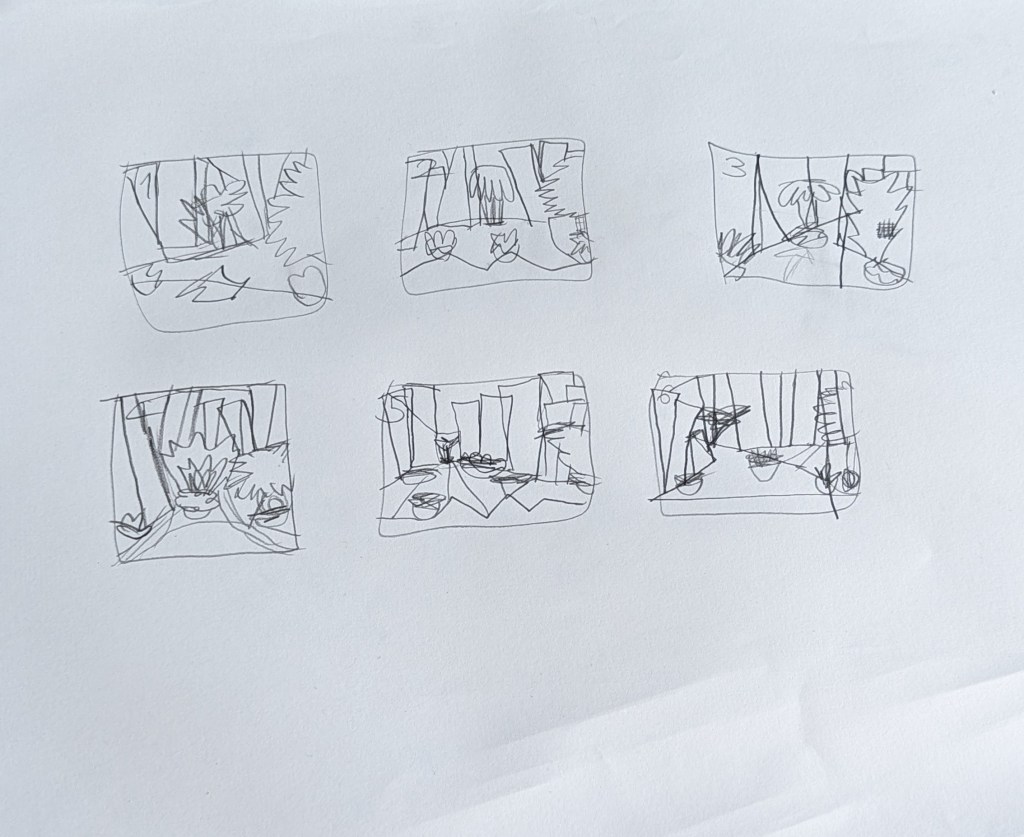
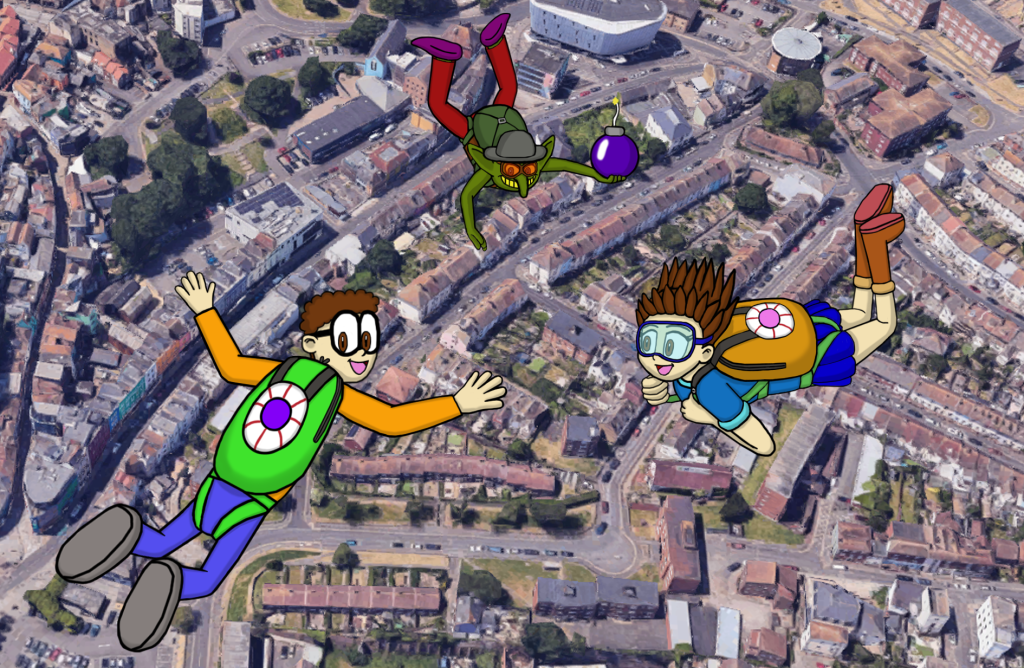
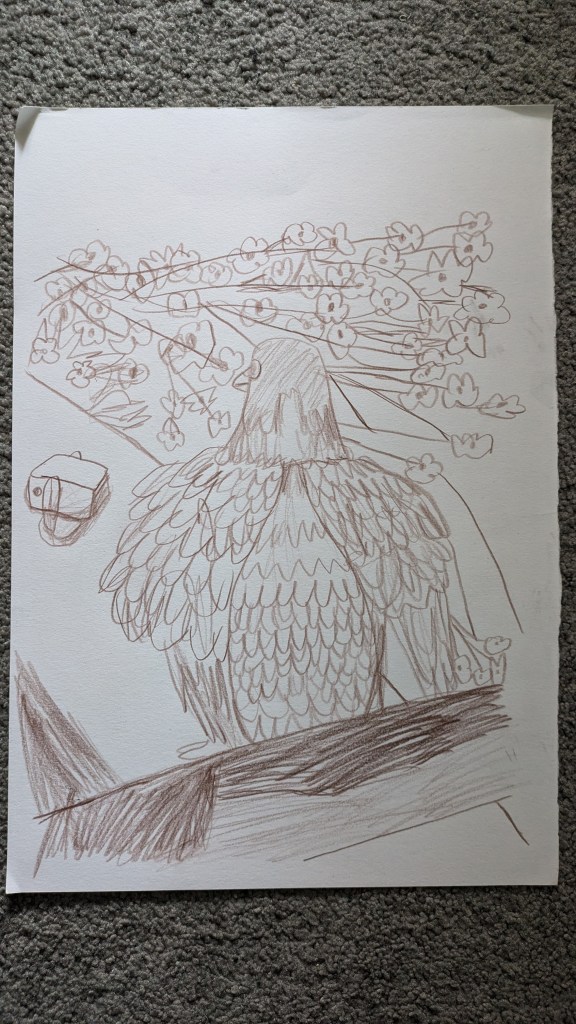


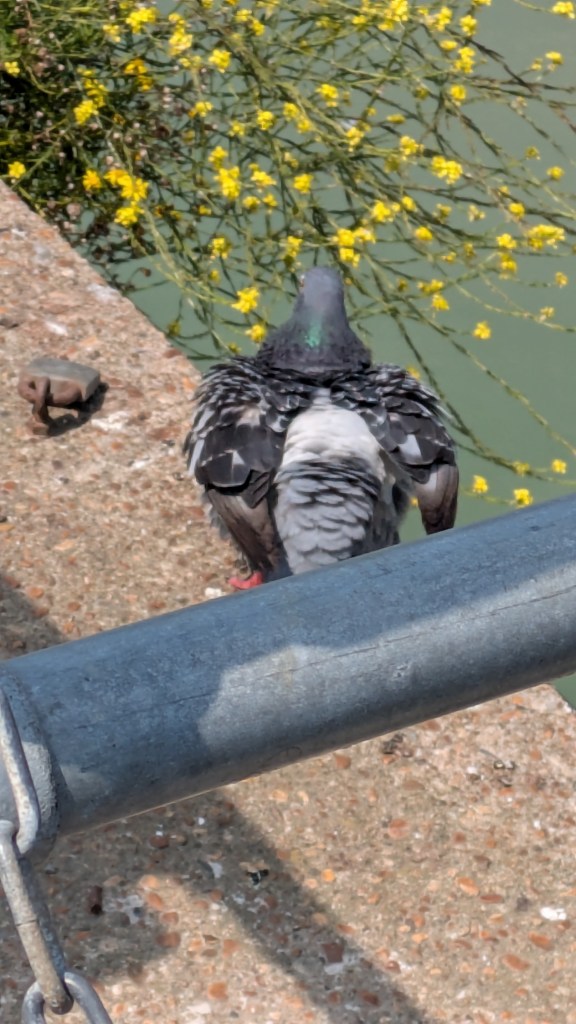


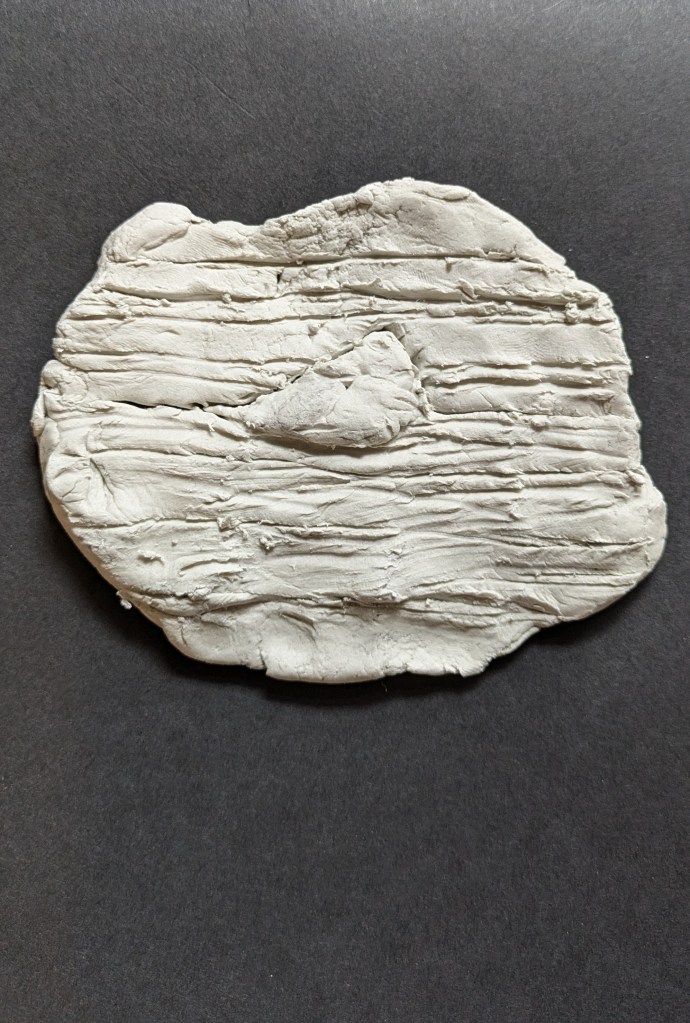


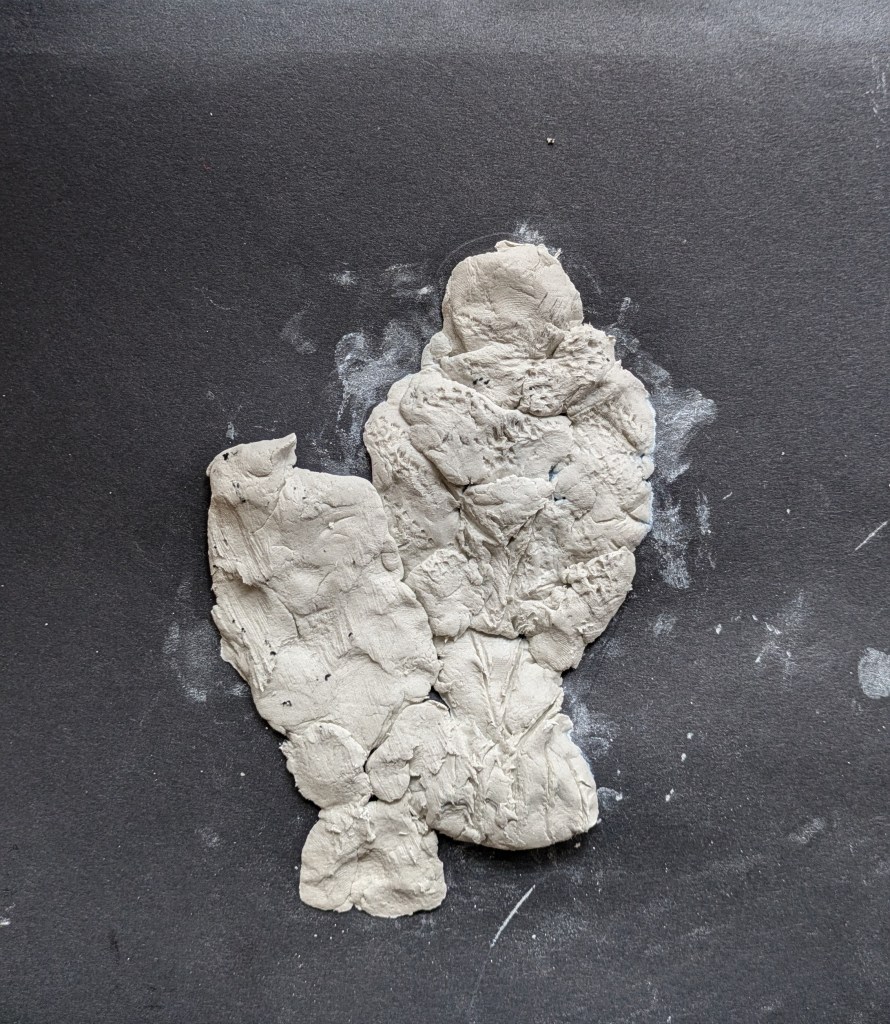

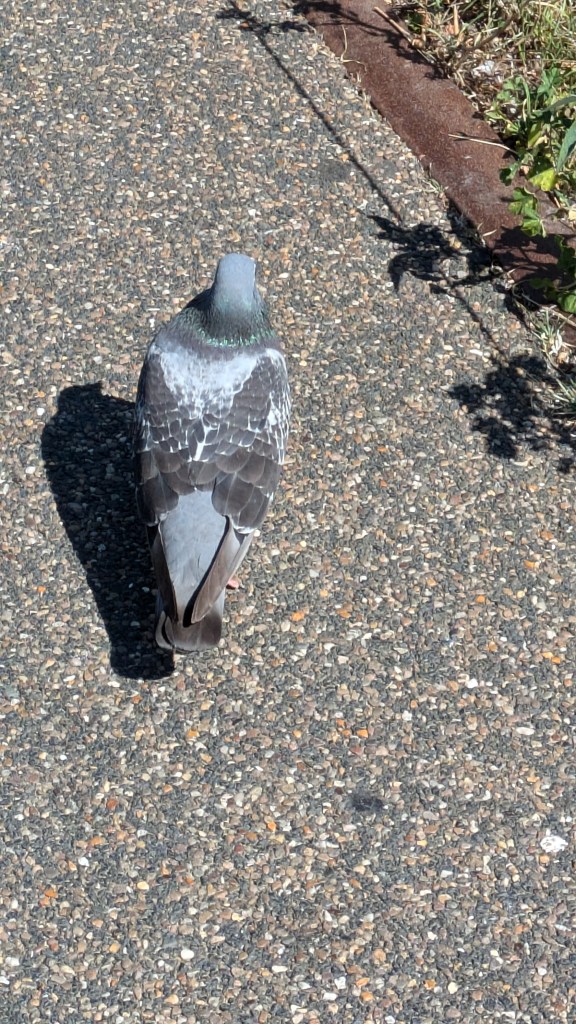


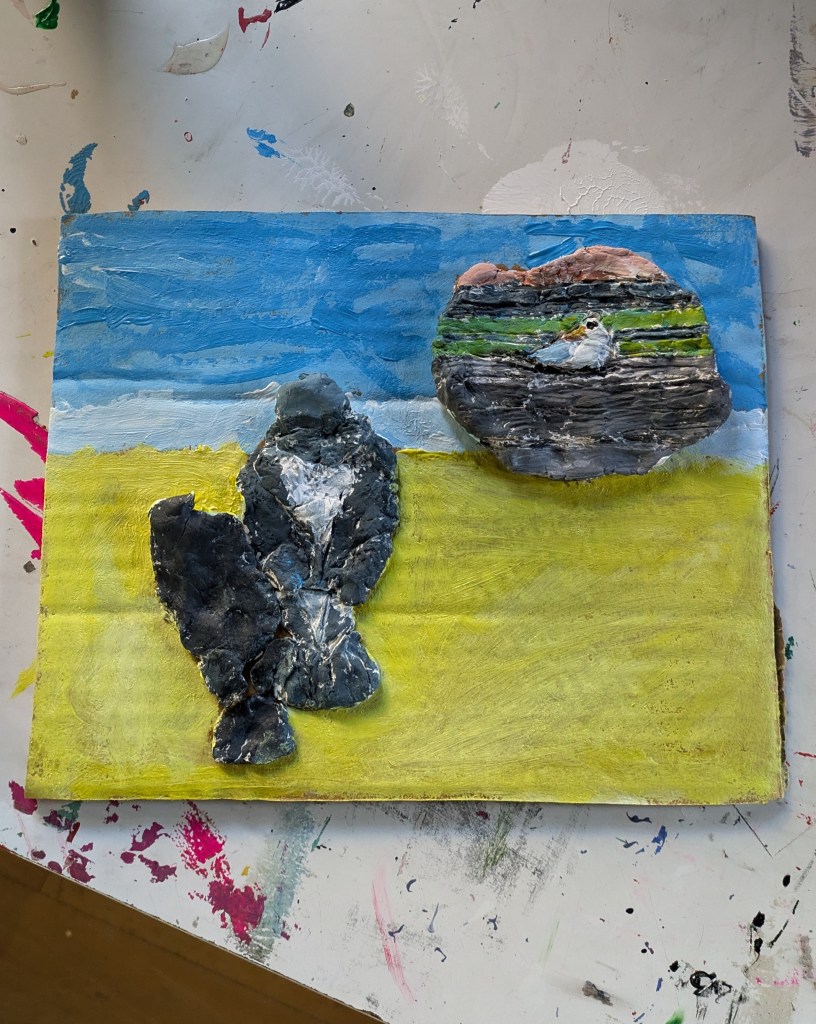
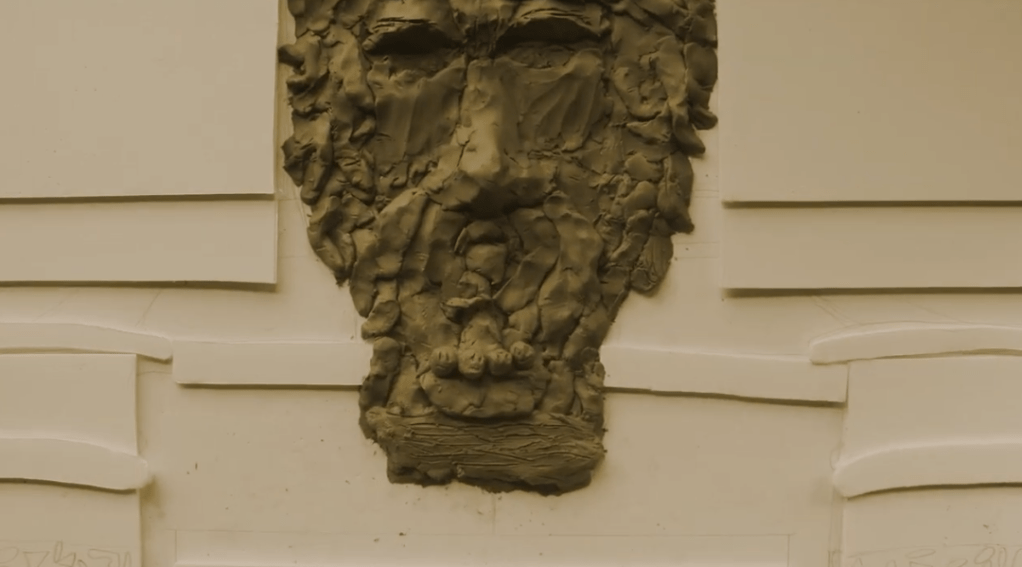


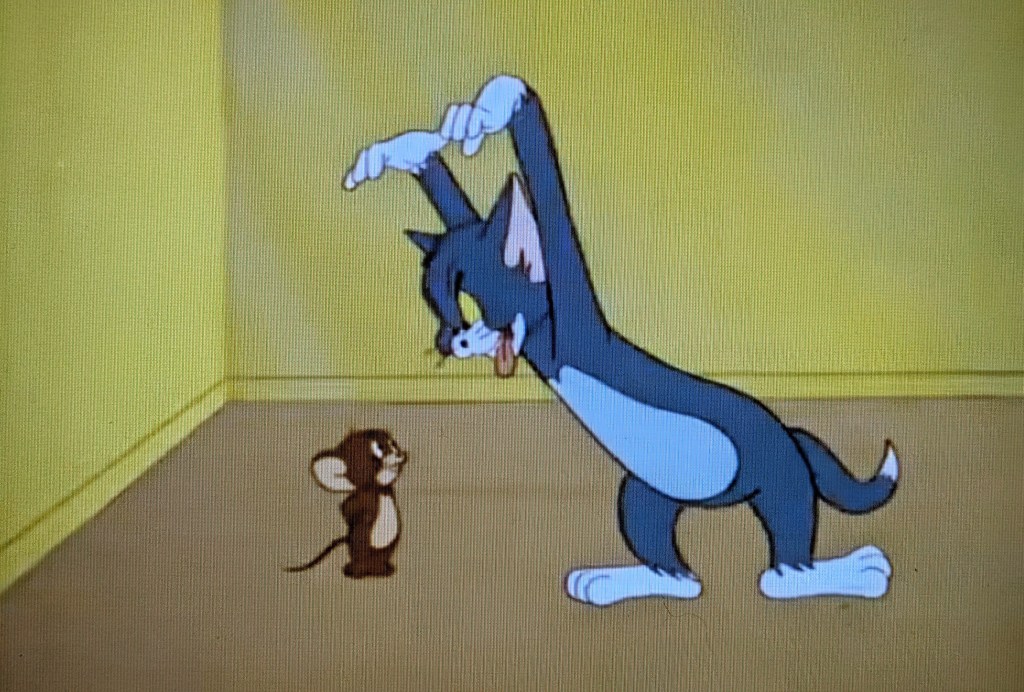
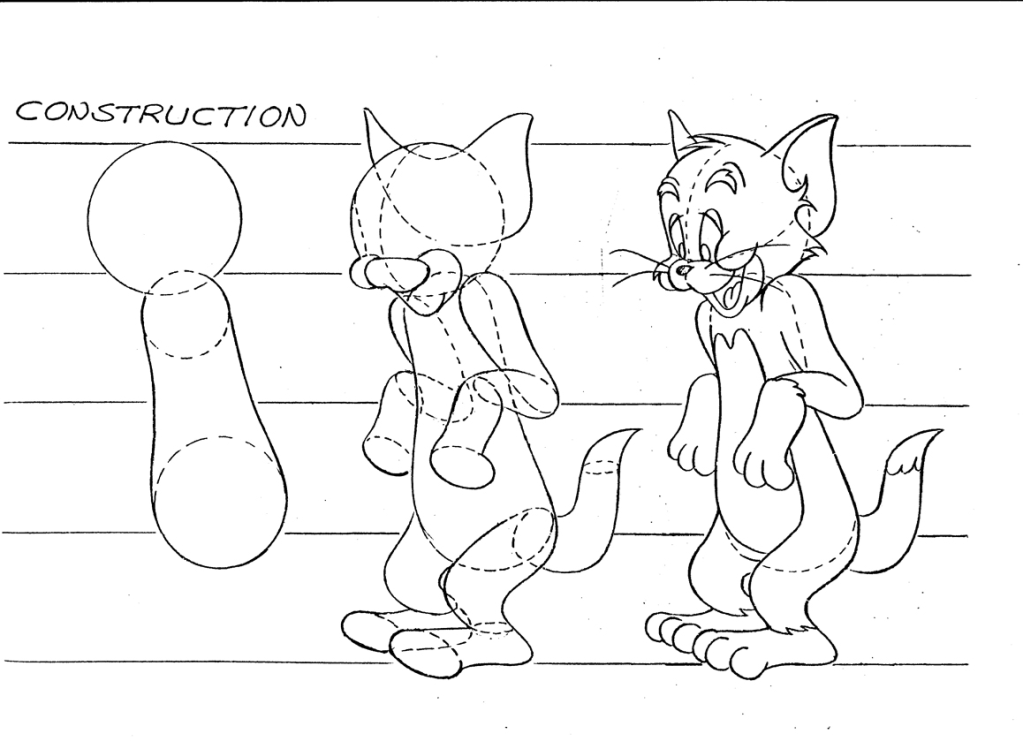
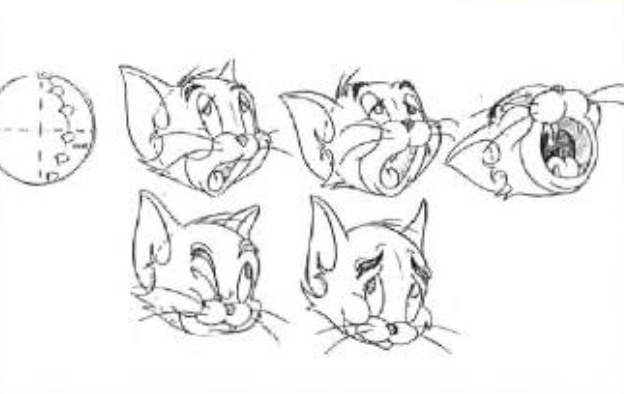


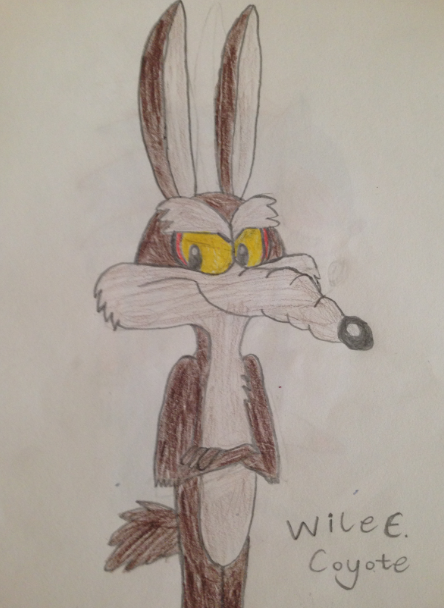

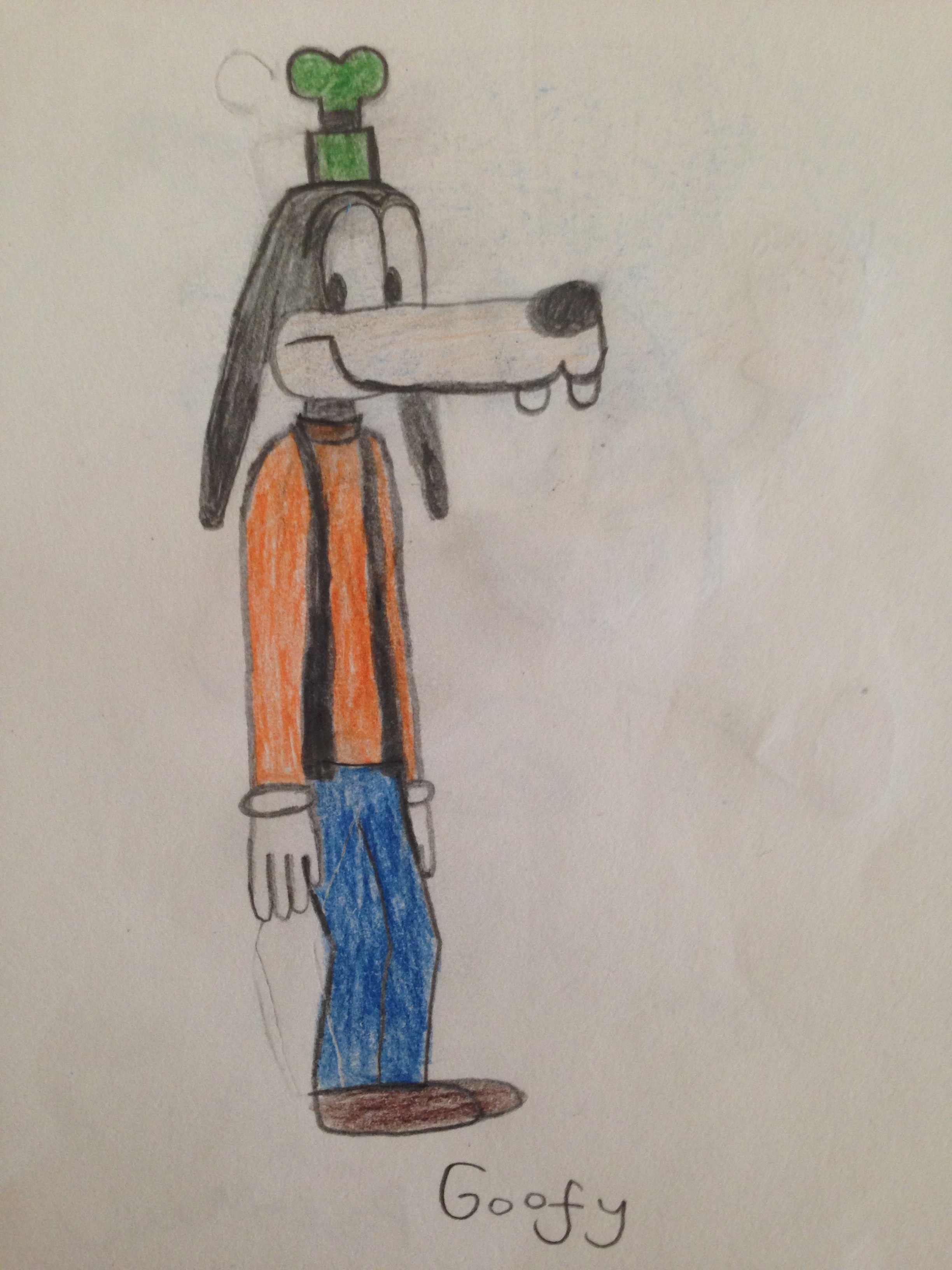
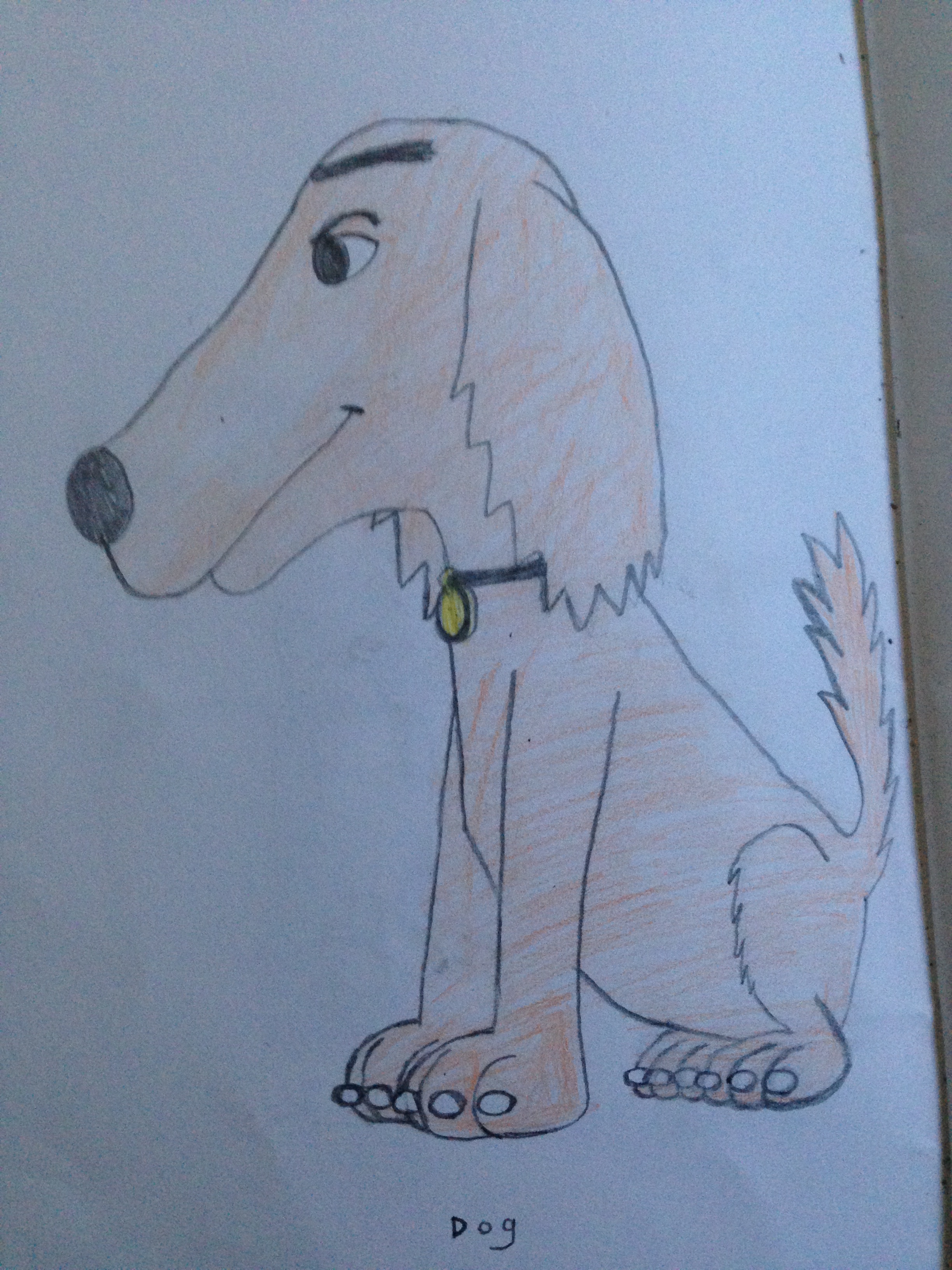
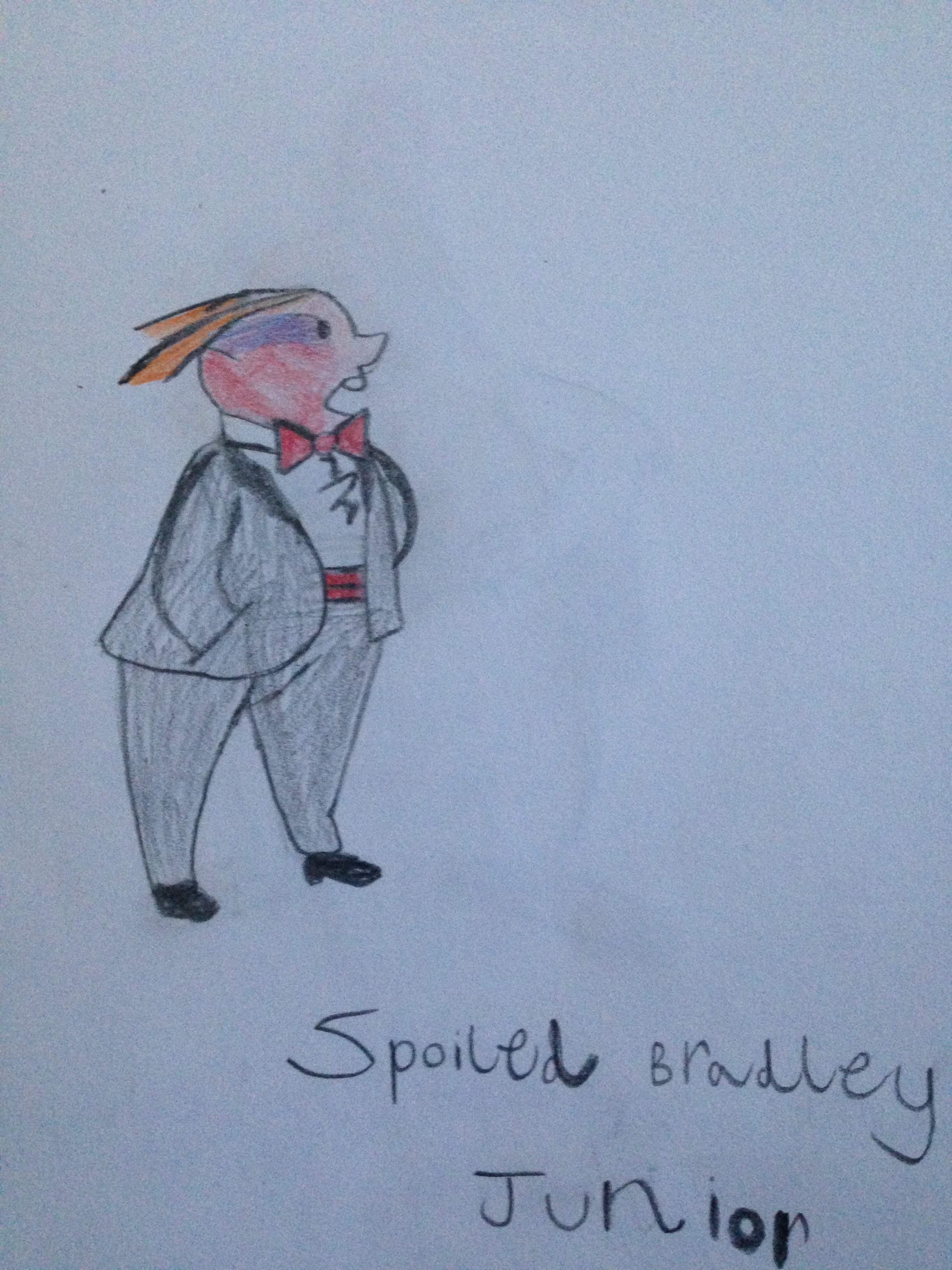
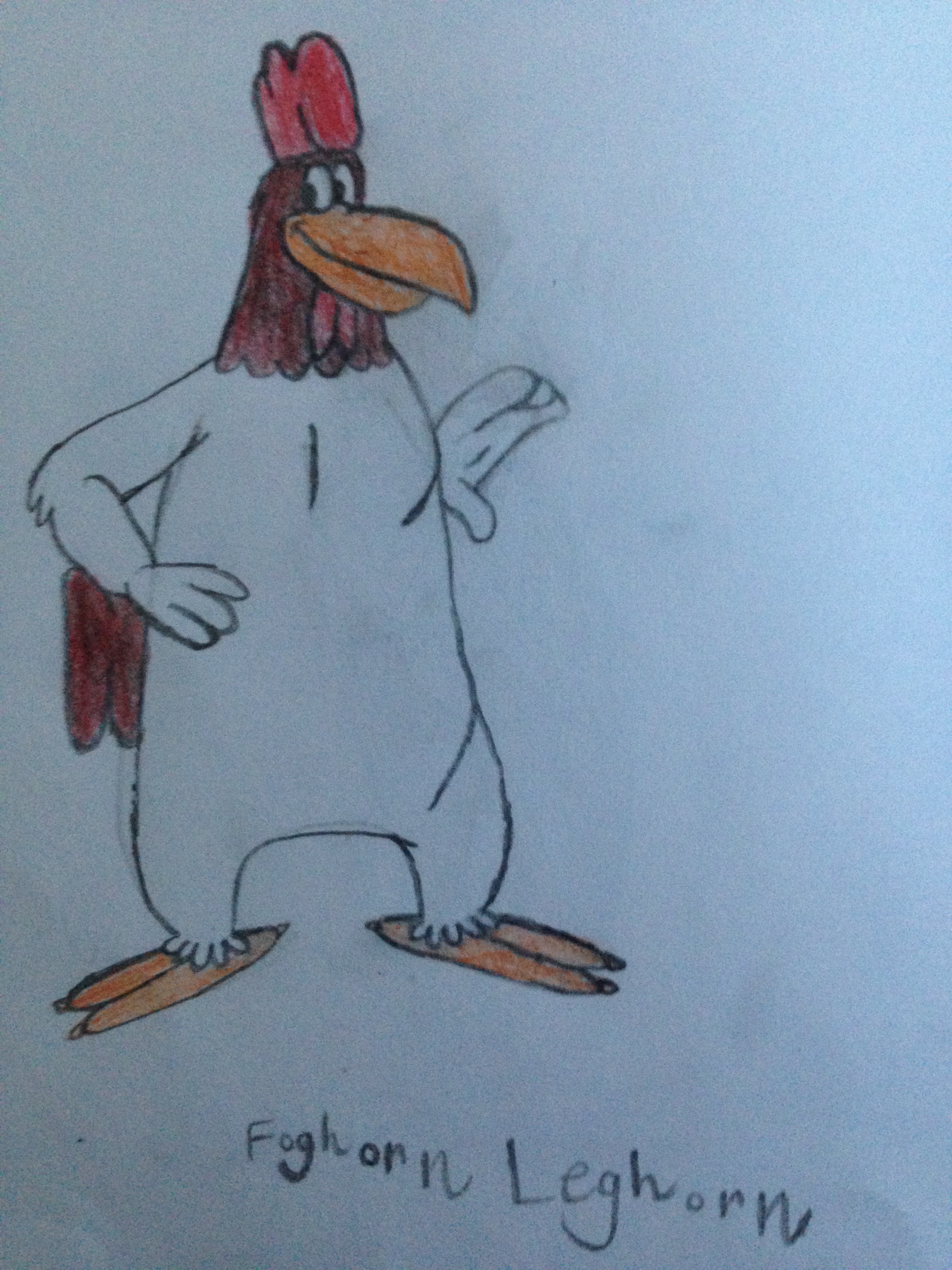
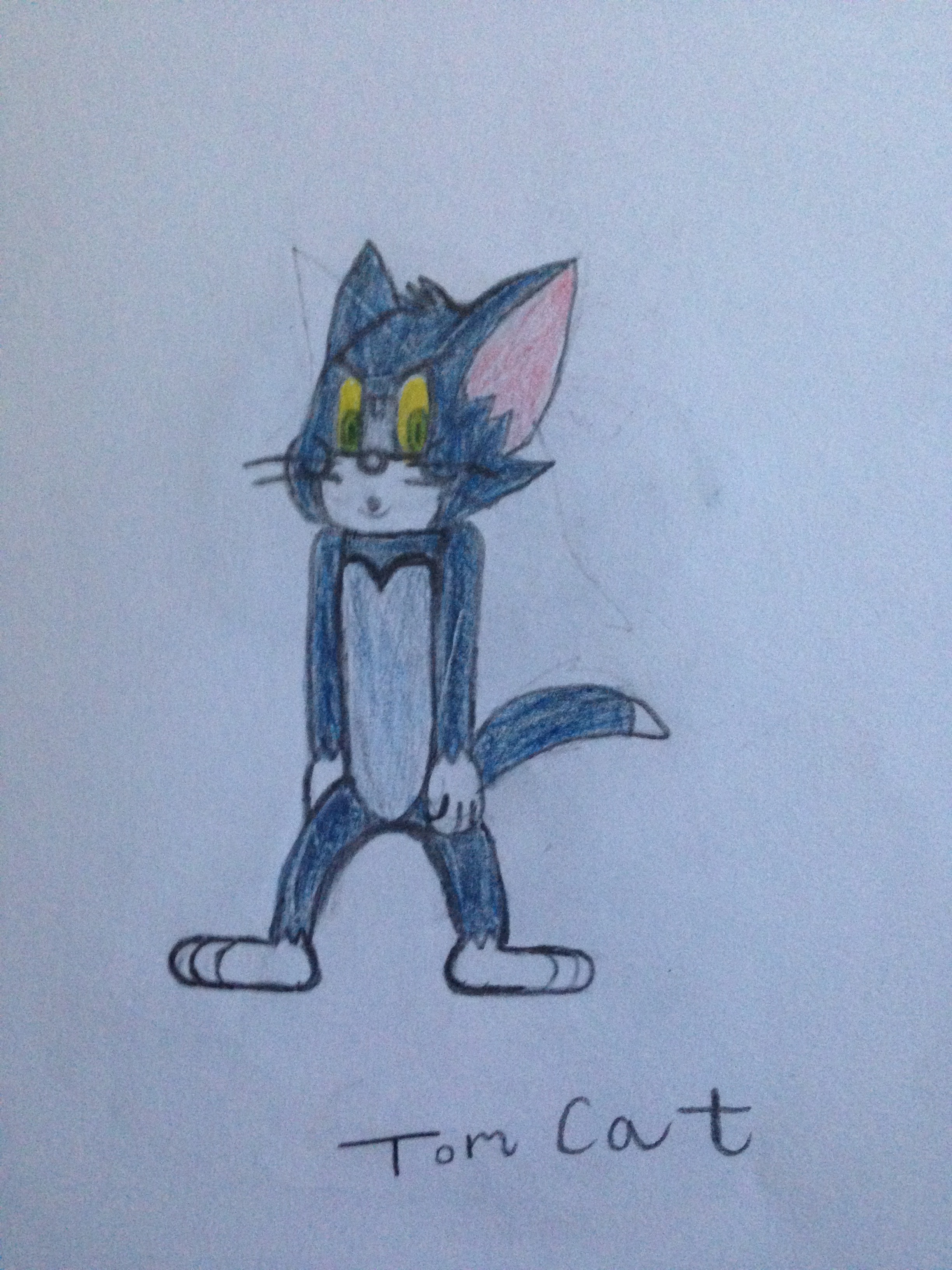





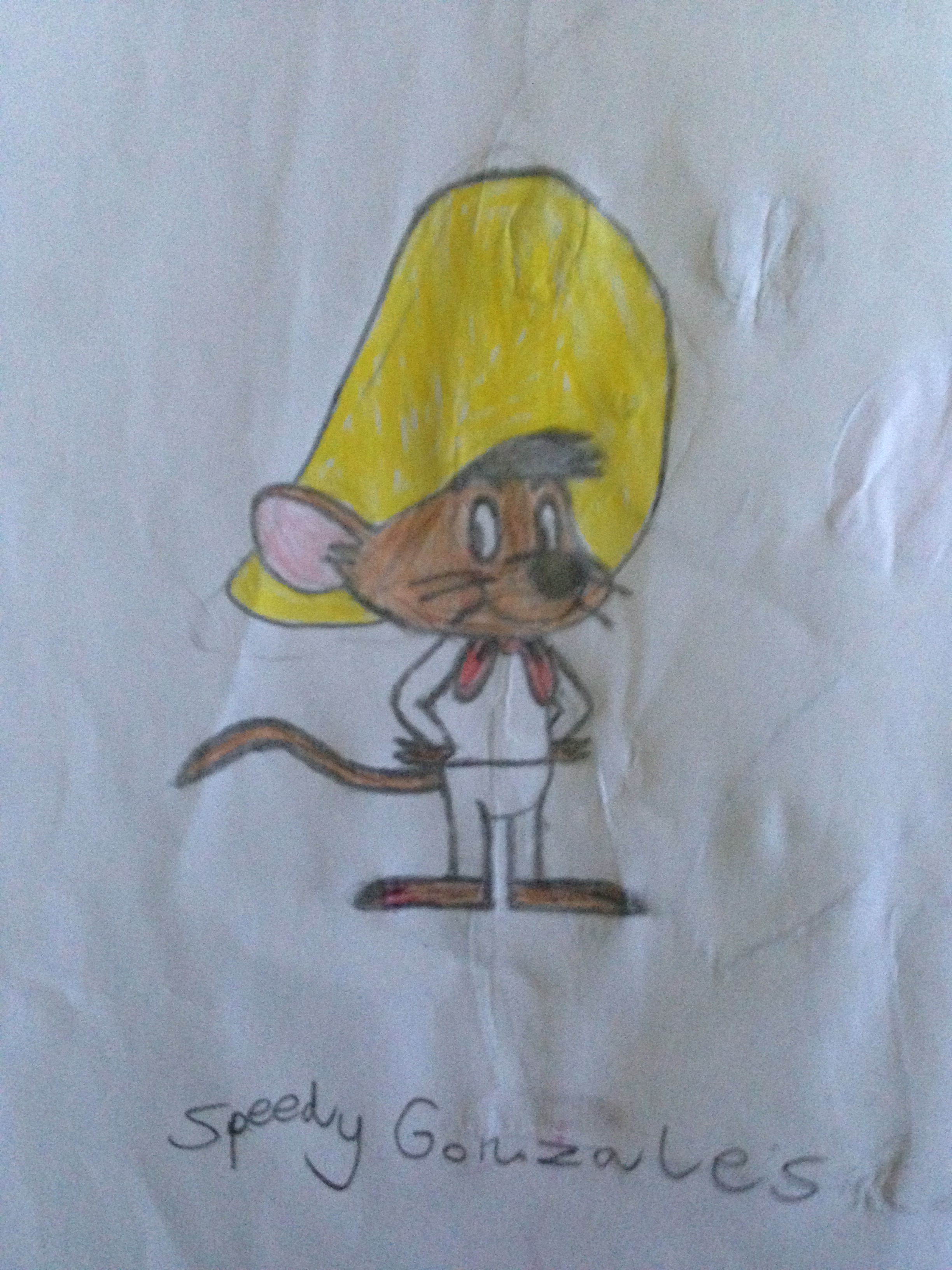
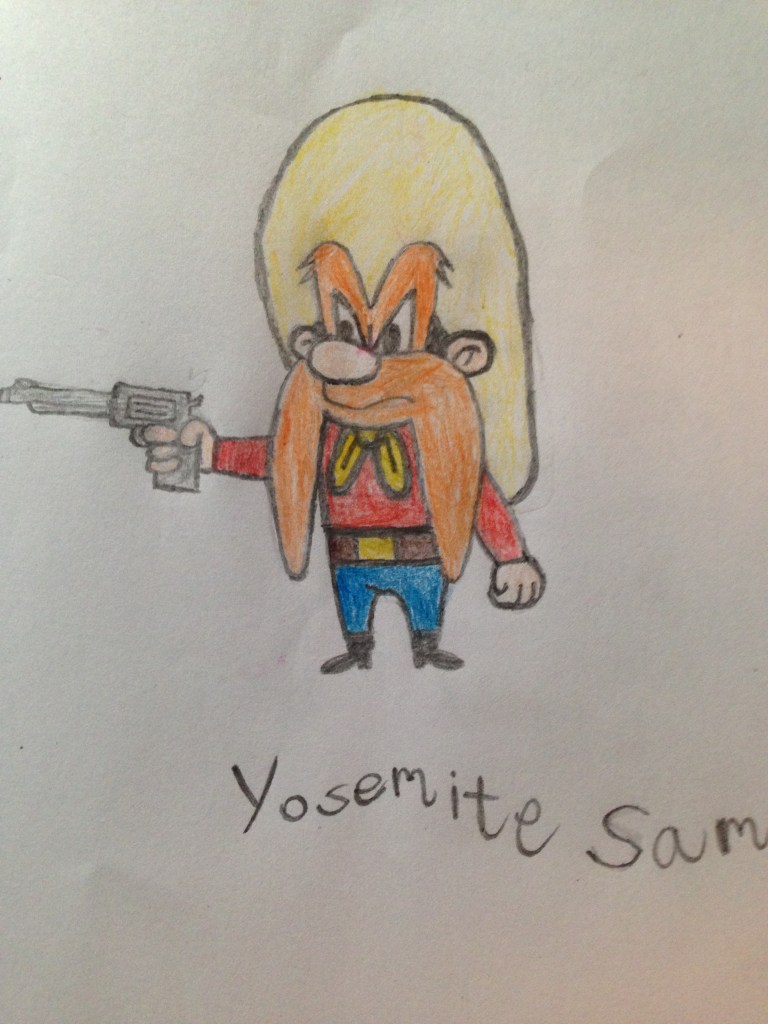



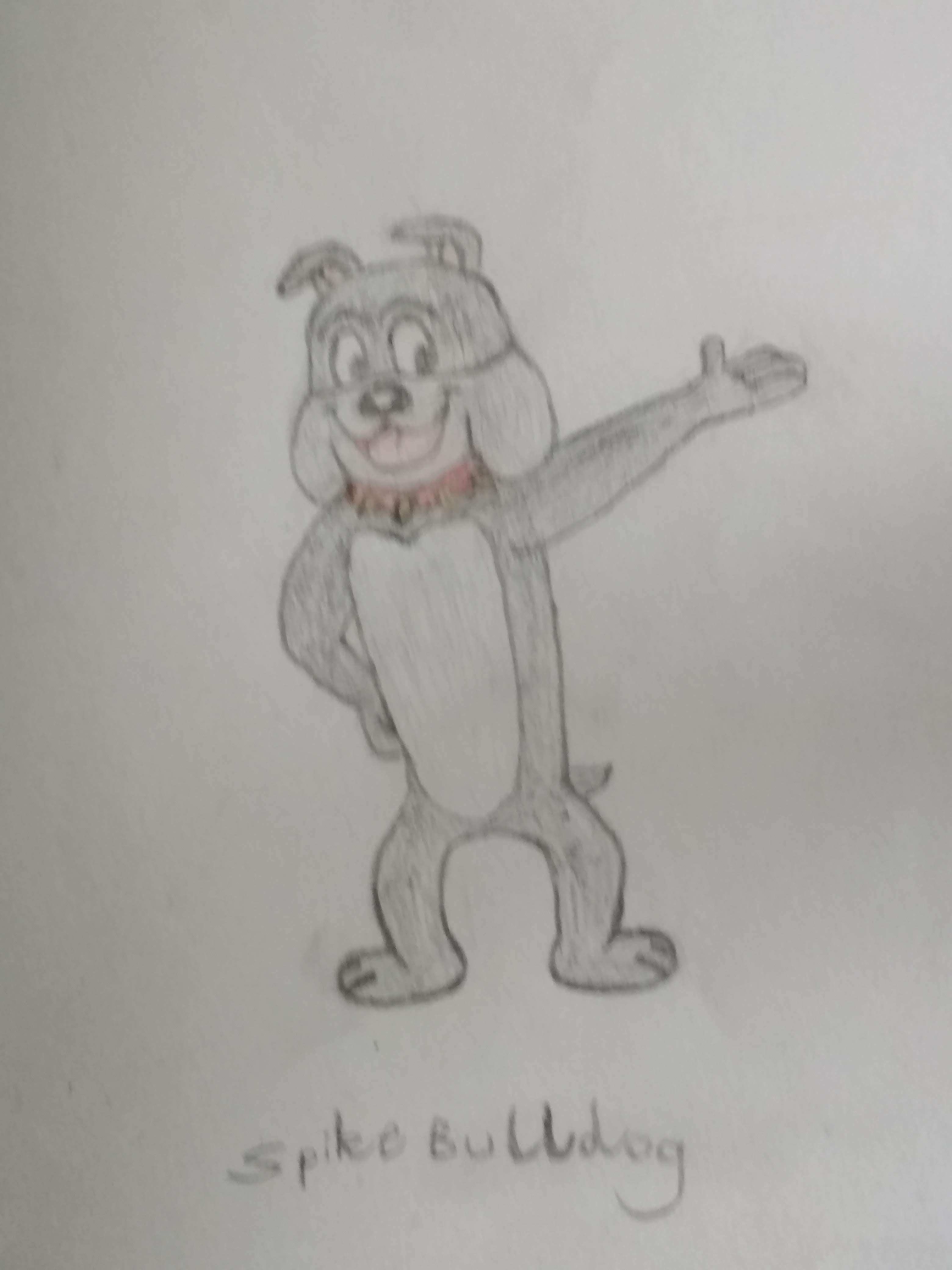

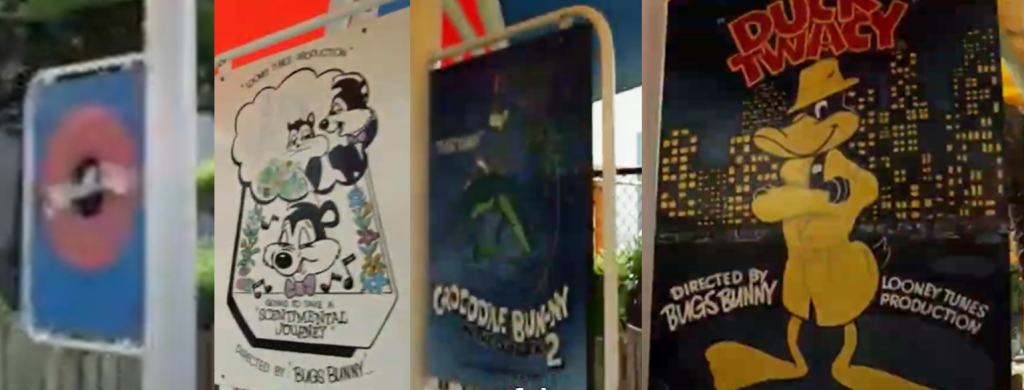




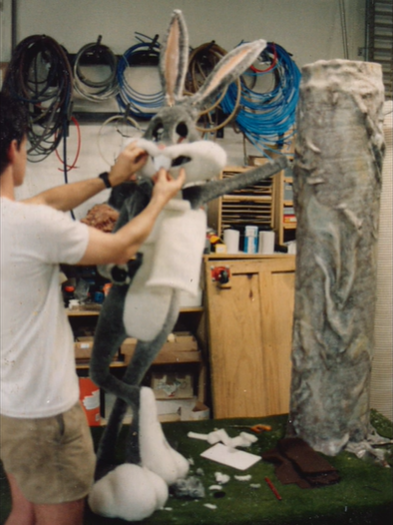


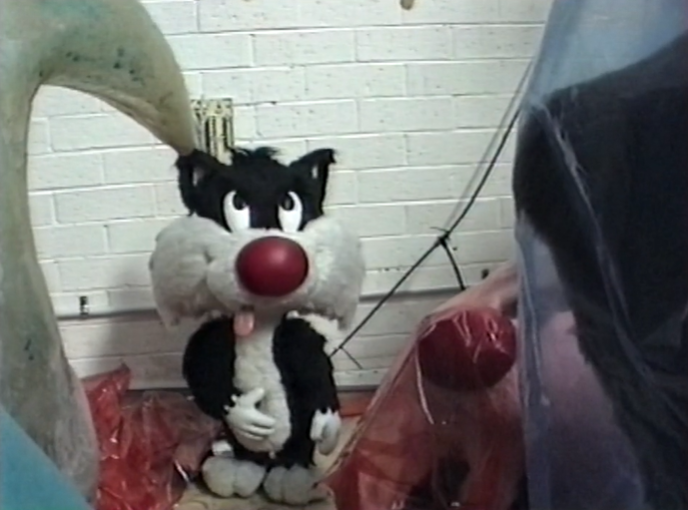

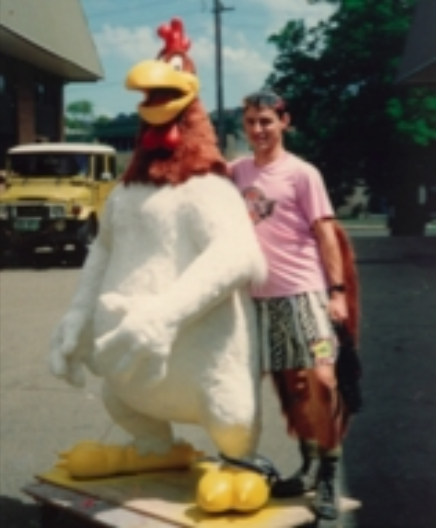

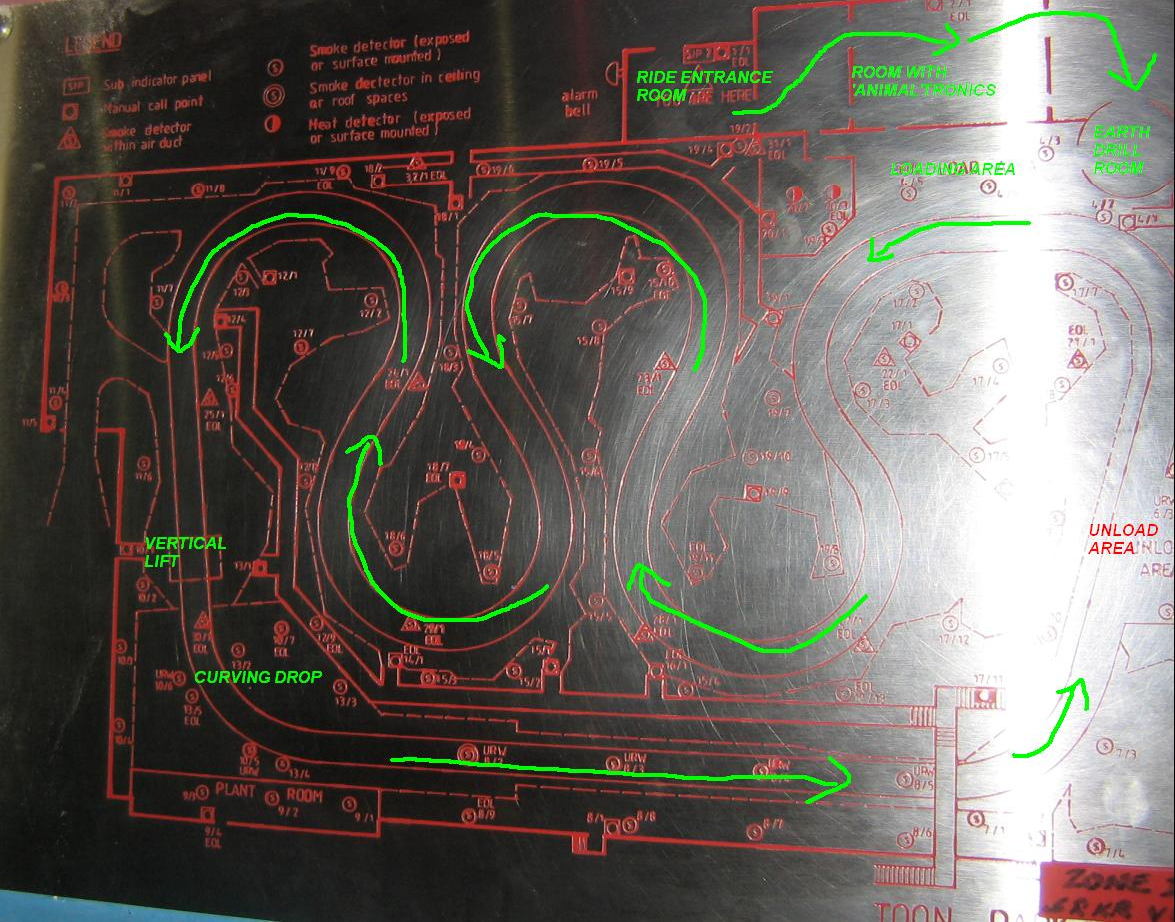

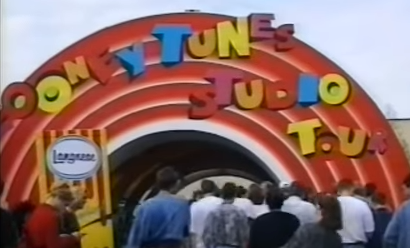


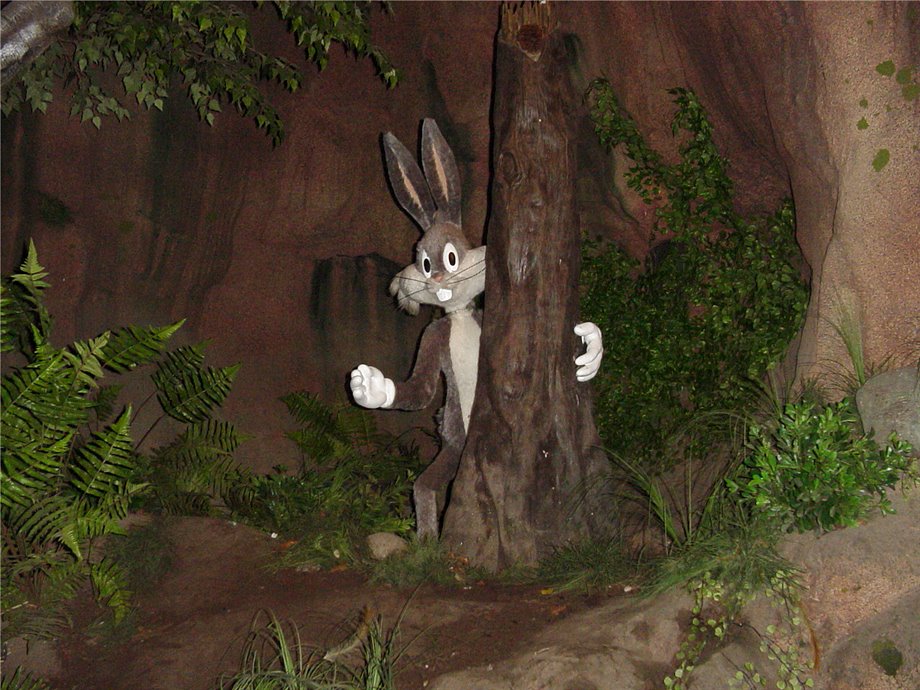


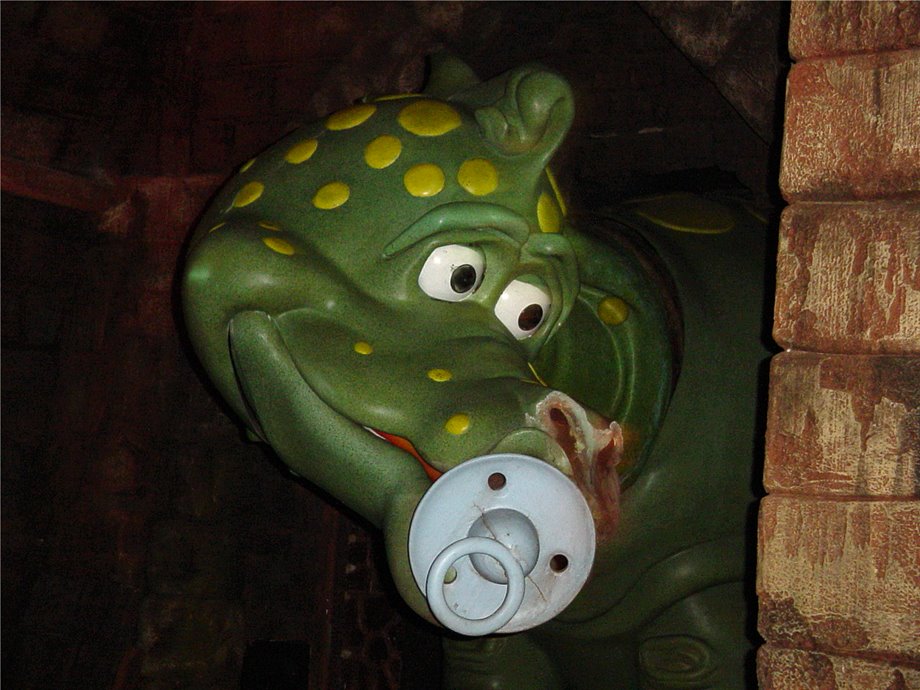


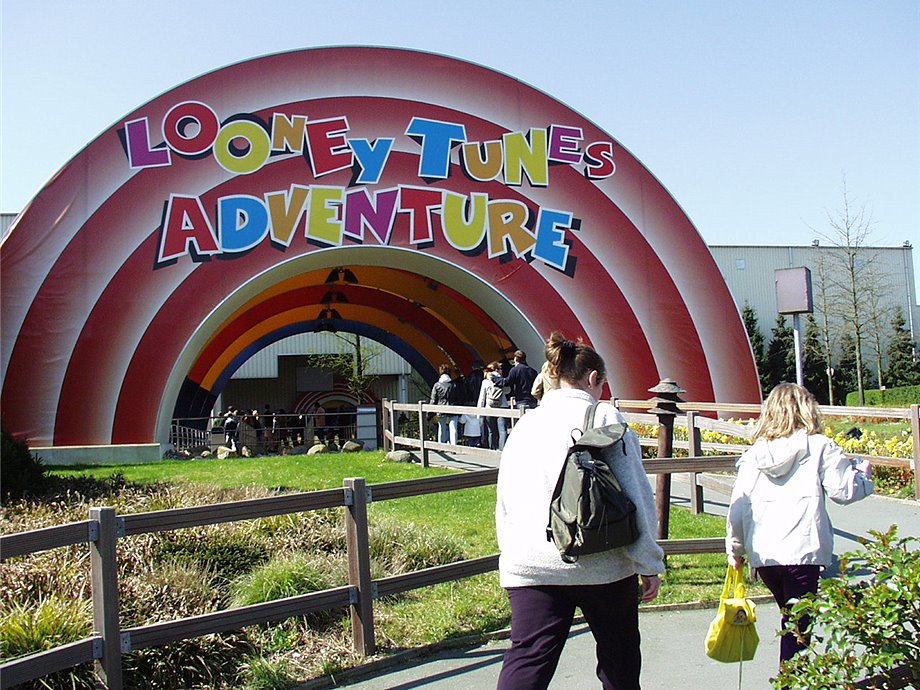
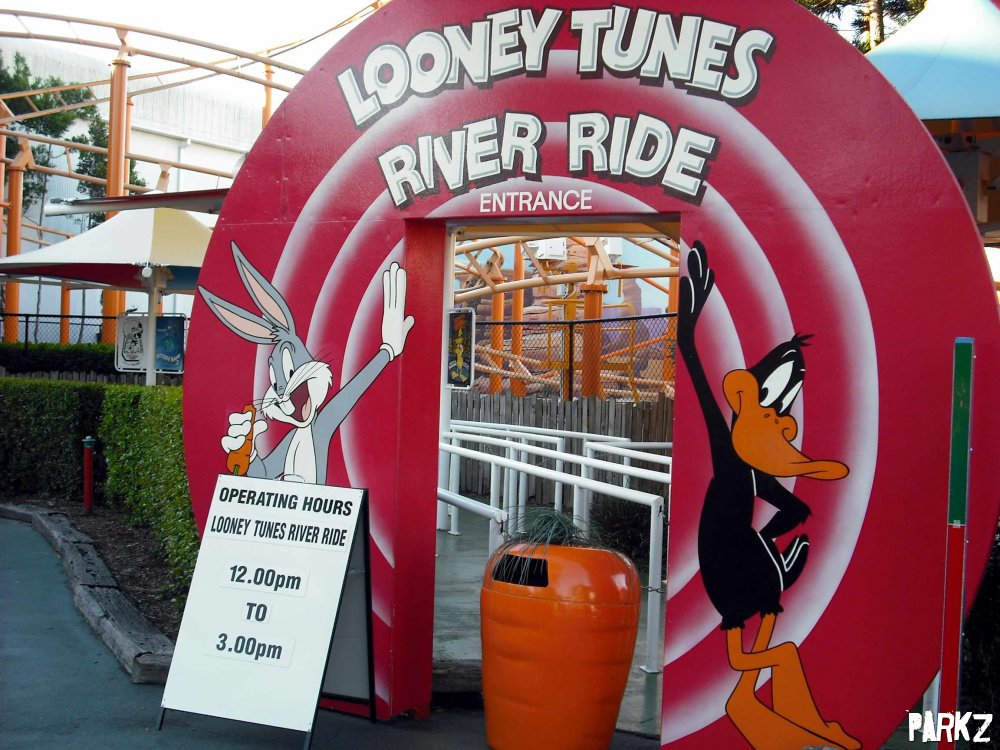


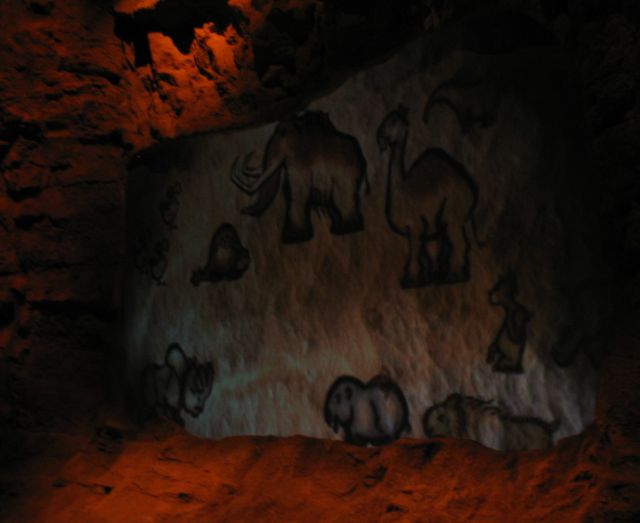


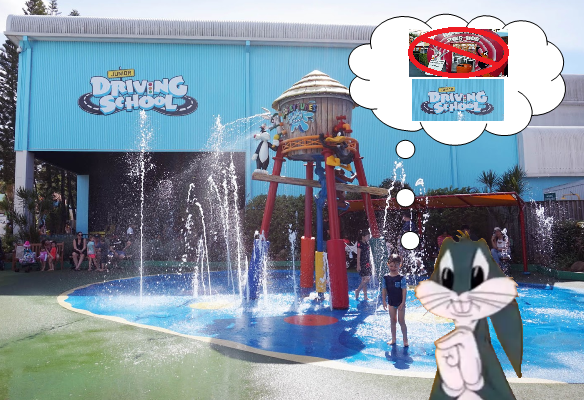
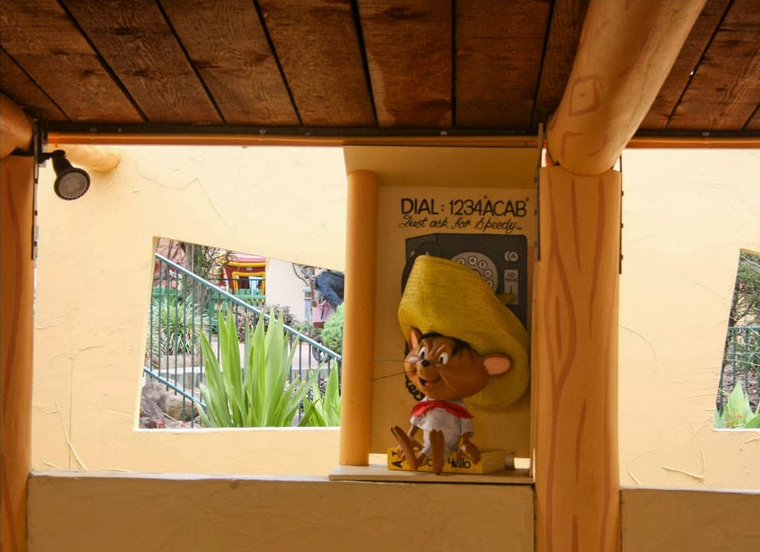
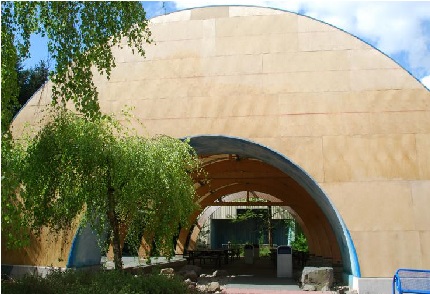
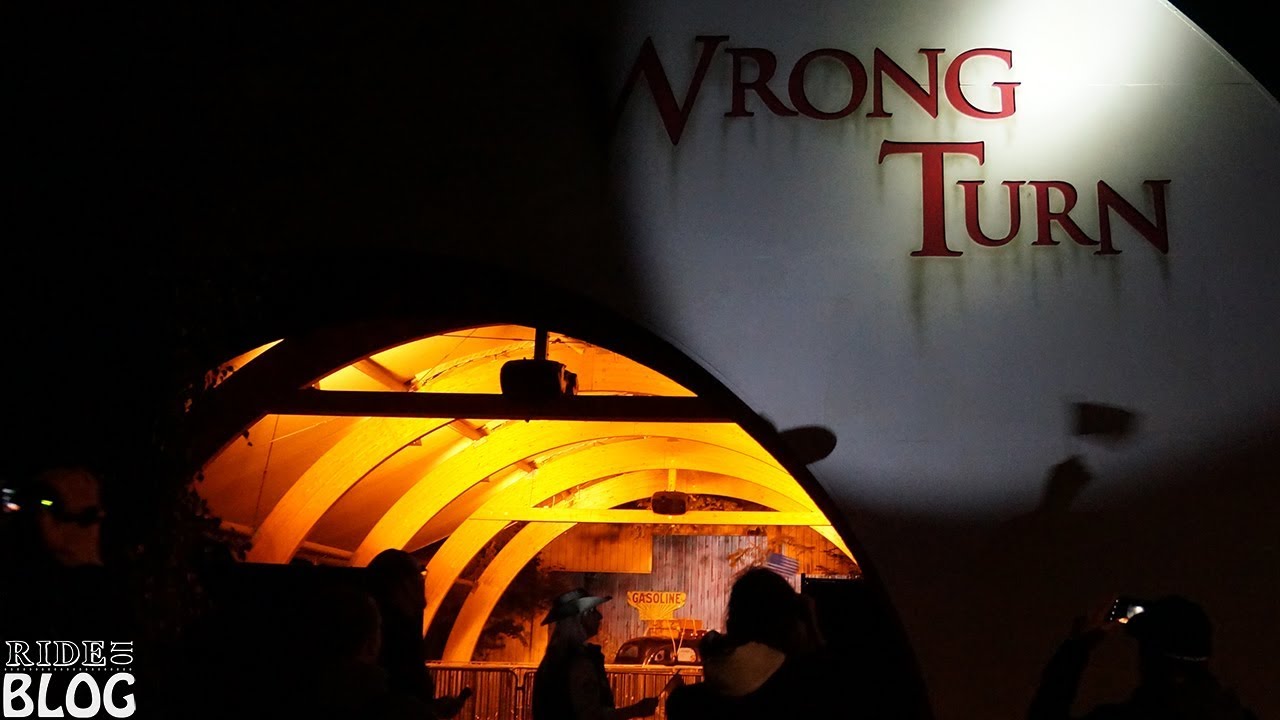


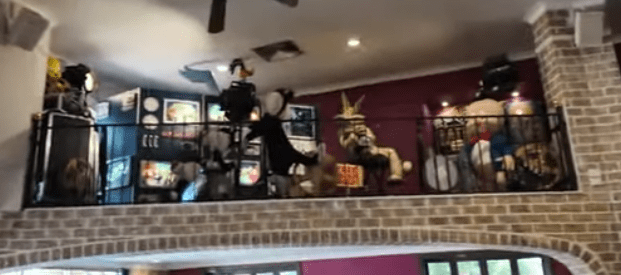


 mysuperendeavour