First appearing in the 1934 Silly Symphonies short The Wise Little Hen, Donald Duck became The Walt Disney Company’s second most famous star after Mickey Mouse. He is known for his partly intelligible speech, mischievous and pompous personality, and quacking temper tantrums. The character’s voice was provided by impressionist Clarence Nash. Nash achieved the voice through buccal speech, in which the inner cheek is used to produce sound rather than the larynx.[1] He got the role of Donald when Walt Disney heard his animal imitations (particularly his duck) and his recitation of “Mary Had a Little Lamb”.[2] Nash would go on to voice Donald for 50 years, doing the voice for commercials, promotions and other miscellaneous material. In the 1980s, Nash mentored and trained Disney animator Tony Anselmo for the role of the character. He died of leukemia in February 1985, with Anselmo officially inheriting the role. Anselmo first performed Donald’s voice in DTV Valentine the following year in 1986, and continues to voice him to this day.[3]
However, Nash and Anselmo are not the only people known to have voiced the sailor suit-wearing waterfowl. In the 1948 short Donald’s Dream Voice, Donald takes a voice pill that gives him an intelligible voice, provided by Leslie Denison. The Goofy Holler, provided by Hannes Schroll and recorded for the 1941 Goofy short The Art of Skiing, was used for Donald in the shorts Three for Breakfast, Honey Harvester, and All in a Nutshell. In the Walt Disney’s Wonderful World of Color episode Inside Donald Duck, he and Daisy Duck come to Ludwig Von Drake’s office to thank him for his help. During this instance, Donald has a deeper, intelligible voice until he loses his temper over a 1000 dollar bill. The voice kind of sounds like Paul Frees, but the credits do not list any voice actors. Walt Disney insisted on character consistency and integrity, meaning that during Nash’s lifetime, no one else was allowed to provide Donald’s voice. However, there were some who ignored this rule and broke it. In 1971-1972, actor and comedian Sam Kwasman’s career began as a lead dancer in units such as Snow White, Three Caballeros and Mary Poppins for the touring show Disney on Parade, hired at the age of 19 by choreographer Onna White, and credited in one of the show’s 1971 souvenir books under “The Ensemble” in “Male Chorus” as “Samuel Kwasman”.[4][5][6][7][8] He played Ben Ali Gator,[8][9] and worked with other dancers and actors, such as Patrick Swayze (who was hired for the show’s performance in Kansas City during May 16-21, 1972, and played Prince Charming), Yvonne Green (who played Snow White and Mary Poppins), Roger Seward (who played the Big Bad Wolf), Valerie Smith (who played Snow White), Cathy Rigby (who played Peter Pan), Michelle Randell (who played Alice), Carolyn Stahl (who played Snow White), David Atkins (who played Pinocchio), Kenny Rogers (who played Donald Duck), Peter (who played the White Rabbit), and Suzanne, Ree and Andre Smith/Schweizer,[10][5][11][6][12][13] as recalled in Patrick Swayze: One Last Dance.[6] Clarence Nash provided Donald’s voice for the show (he even recites “Mary Had a Little Lamb”, the song performed by Nash which led to the creation of Donald). However, Kwasman appeared on What’s My Line? to promote the show in August 1971, voicing Donald in his appearance as the Mystery Guest.[8][9] A clip of Kwasman as Donald on What’s My Line? is heard in his Donald Duck demonstration reel (00:17), but Internet Movie Database attributes Kwasman’s credit to What’s My Line? at 25 (1975), which does not seem to feature him at all. After Disney on Parade, Kwasman appeared as a professional dancer in Mame in 1974, and At Long Last Love in 1975. He also acted in stage musicals such as Hello Dolly and Music Man, where he transitioned into acting. He played a Beach Comic imitating Jimmy Durante in Lifeguard, and made guest appearances on Season 6 of The Bob Newhart Show, Family Ties, Lou Grant, Airwolf and MADtv. His appearance on The Bob Newhart Show earned the episode an Emmy Nomination. Kwasman performed stand-up comedy at various comedy clubs and venues, including the Comedy Store, the Riviera, Caesars Palace Lake Tahoe, the Aladdin Hotel, the Improv, Rodneys Place, and the Ice House.[14][15] One of his impressions during the performances was Donald Duck. Meanwhile at Disney, it was customary to cast additional actors for the characters (except Donald) depending on the project and the creative team.[16][17] In 1974-1975, the album Dickens’ Christmas Carol Presented by the Walt Disney Players featured Alan Young, Janet Waldo, Hal Smith, Walker Edmiston and Alan Dinehart, and kept Clarence Nash in the role of Donald.[18] In 1976, Jim Tadevic, a location spotter at Disney, provided Donald’s voice for some freelance educational filmstrips, such as Goofy Goes to Work. According to Mouse Tracks: The Story of Walt Disney Records, a 2006 book by Tim Hollis and Greg Ehrbar of Cartoon Research, Nash produced the Donald voice in his mouth, while Tadevic generated it in his throat.[19][20] That same year, The Son of Football Follies was broadcast, with the credit “Voice Characterizations by Mel Blanc” at the beginning. Amongst the voices that Blanc did (including his Looney Tunes characters) was a low-pitched Donald Duck impression for a referee and two football players, sometimes mistaken as a cameo role by Nash. Interestingly the following year in 1977, Nash unhappily told Jim Korkis, “Everybody thinks Mel Blanc is Donald Duck! He’s not. I’m Donald Duck. We’ve had some problems with people who say they’re the ‘original Donald Duck’ and we’ve even had some problems with them at the Disney Studios in the past.”[21] Around this time, an unknown actor began working as part of a team at Disney, consisting of himself, Peter Renaday (as Mickey Mouse) and Tony Pope (as Goofy).[16] The first project that they worked on was a Fisher-Price Talk-To-Me Book written and produced by Jymn Magon, Ghost Chasers, released in 1978.[22][23] From 1978 to 1980, Tadevic provided Donald’s voice for The Quiet Cowboy, Dumbo’s Day At the Circus, The Clock Cleaners, Mickey Mouse Disco‘s “Macho Duck” (written by Thomas Worrall and produced by Jymn Magon), Mother Goose Rhymes and a Donald Duck Orange Juice commercial.[19][20] In 1980, Clarence Nash returned to the role of Donald on the album Goin’ Quackers! by Will Ryan and Phil Baron. Upon learning that someone else (Tadevic) voiced Donald in the records and commercial, Nash was upset and went to Ron Miller to discuss the issue. Miller apologized for not knowing about it, admonished Tadevic for voicing Donald, and issued a letter saying, “Only Clarence Nash will be used as Donald and no one else.”[24] Anselmo revealed that Tadevic lied in interviews that Nash let him fill in for him. (I initially thought that Donald’s voice in the records and commercial was Corey Burton; Burton was hired by Jymn Magon in 1976 around the age of 20-21 to do character voices for Disney Read-Along titles.[25] He recorded Captain Hook and Mister Smee’s voices for the 1983 update of Peter Pan’s Flight in 1978,[26] is listed on English Voice Over Wikia as doing voices on Dumbo’s Day At the Circus and Mother Goose Rhymes, and has a wide vocal range from baritone to falsetto, so I thought that it was possible that somewhere in that range, he could have done the Donald voice, but that is unlikely. He would use a deeper voice for Robo-Donald in House of Mouse after all.) Nash would also voice Donald in Yankee Doodle Mickey,[27]Pardners,[16]A Family Christmas, Disney’s Merry Christmas Carols,[28]Mousercise‘s “Ducks Dance, Too” in 1982,[29]Mickey Mouse Splashdance‘s “Digital Duck” in 1983[30] (Nash was credited on these albums except Yankee Doodle Mickey and Merry Christmas Carols) and Disney Discovery Series: Counting Fun in 1984. During this time in the 1980s, Jack Wagner was voicing various Disney characters, includingDonald, for live entertainment offerings in the parks, Disney on Ice, and live-action clips for television.[31] As mentioned previously, Nash passed away in 1985, with Tony Anselmo taking over the role of Donald in general. For the records, Jim Tadevic disrespectfully voiced Donald again in Mickey Mouse and Friends: Double Birthday Surprise and Disney’s Donald and Daisy: Astro Ducks (which still used some archive recordings of Nash), but Walt Disney’s nephew Roy E. Disney stopped him. Around that time, Good Humor released Disney Frozen Treats.[32][33][34] A commercial for the product was broadcast on television (there are also twouploads of the commercial airing in 1987), with Peter Renaday as Mickey and Tony Pope as Goofy. Donald speaks around 0:11. Anselmo said that the voice in the commercial was Nash,[35] but Donald’s slightly strained “Hiya, Toots!” and quacking, particularly the second, sound nothing like Nash’s elderly take in Donald Duck’s 50th Birthday (1984) to me. In 1986, Worlds of Wonder created the Talking Mickey Mouse, an animatronic character toy that could play cassette tapes in his back. Mickey would move his eyes, nose and mouth to the tape, as he told stories of his travels to foreign countries with Goofy.[17] Two stories, The Impossible Journey and The Magic Boomerang, featured the unknown actor from the Disney Frozen Treats commercial as Donald, who was stopped by Roy E. Disney. (I thought that this actor could have possibly been Frank Welker; Welker had done a bit with singing ducks during his old stand-up comedy routine, and was one of the actors in the Disney Read-Along adaptations of films like Gremlins (1984, as Gizmo, Stripe and other Mogwai and Gremlins) and The Great Mouse Detective (1986, as Fidget), and Donald’s voice in the stories sounds like Welker’s confirmed role as Hanna-Barbera’s Yakky Doodle (17:32, 19:36, 19:42, 19:59) in Laff-A-Lympics in 1977. However, there does not seem to be any proof, so I doubt that it was him.) During this time, Sam Kwasman voiced Donald in “Dear Daisy” on the album Totally Minnie (produced by Chris Montan, Bambi Moé and Jai Winding, a clip from the song is heard in his Donald Duck demonstration reel (01:07)).[7] Archive recordings of Nash would still be used in Disney Discovery Series: Colors and Shapes and Disney Discovery Series: Telling Time the following year in 1987. During this time, impressionist and animation historian Keith Scott would begin doing Donald’s voice in Australian commercials, including Pascall, McDonald’s, Peters Ice Cream and World of Illusion Starring Mickey Mouse and Donald Duck, using his impression of the character on television shows like The Daryl Somers Show and Hey Hey It’s Saturday.[36] Tony Anselmo would voice Donald in the Talking Mickey Mouse stories The Great Kite Caper and Secret of the Silver Mine (rightfully taking over from the unknown actor in The Impossible Journey and The Magic Boomerang), and projects like Mickey’s Rock Around the Mouse‘s “Love Struck Duck”, “Quackety-Quack” and “Everything Is Ducky with Donald”, Totally Minnie (the television special), Mickey Mouse: Donald’s Pooch Parlor and Who Framed Roger Rabbit.[37] In January 1988, Imagineer Les Perkins and Roy E. Disney created the department of Disney Character Voices to ensure continuation of character integrity, consistency and quality in recording methods. Anselmo said that Jim Tadevic “was also one of the examples Roy E. Disney used when he established Disney Character Voices”.[38] In Mickey’s 60th Birthday Surprise, Jack Wagner voiced Donald, giving him a higher, slightly rough voice, which sounded different from his usual, deeper take. The same voice was also heard in Rap ‘n’ Roll in 1989. In 2011-2021, Kwasman provided the voices of Cogsworth, Donald, Louie Duck, a B.A.G. Pipes Customer and the Narrator in Robot Chicken, the only known official confirmation of him voicing Donald at the time.[14][15] In 2013, Steve Blum provided Donald’s voice in the MAD sketch McDuck Dynasty, using his impression of the character from a series of outtakes for the video game Vanquish (Blum had also previously done the voice of Yakky Doodle in Harvey Birdman, Attorney at Law).[39] Kwasman also reused his Donald voice for Quacker in The Tom and Jerry Show (2014-2021) and Tom and Jerry in New York (2021) (funnily enough, Quacker’s voice in the original Tom and Jerry shorts was done by Red Coffey imitating Clarence Nash’s Donald[21]), and appeared as the product placement guy on Jerry Seinfeld’s Comedians in Cars Getting Coffee.[14][15] Continuing to expand his repertoire, Kwasman starred in the play Letters From A Nut and its 2019 film adaptation as Pagliacci and The Messenger as a Barfly.[14][15][40]
In 2015, Kwasman started doing interviews where he would tell interviewers about his career, including working with Bob Newhart and Patrick Swayze. However, in these interviews he mentioned that he did Donald’s voice “live” for Disney on Parade (having begun doing this since January 28, 2006[5]), and also said that he voiced Donald in Ghost Chasers, the Disney Frozen Treats commercial, the Talking Mickey Mouse stories and the Totally Minnie album.[41][7][42][43] Understandably, Disney’s legal team sent Kwasman letters telling him to stop promoting himself as the voice of Donald,[44] since only Clarence Nash and Tony Anselmo were Donald’s official voices at the time. Anselmo stated that no one, including Kwasman, was allowed to do Donald’s voice as long as Nash was still alive.[45] What is confusing to me is that Mark Silverman, the voice actor for Rod Serling in The Twilight Zone Tower of Terror, stated in an October 2006 interview that Kwasman was “at one time the voice of Donald Duck for Disney”, meaning that Kwasman must have told him this.[46] There is also this post by Jymn Magon that has a photograph of himself having lunch with Kwasman and other Disney actors, and states that Kwasman was “Donald Duck from … Fisher-Price Toys”, indicating that the latter did indeed voice Donald in Ghost Chasers, the Fisher-Price Talk-To-Me Book. If that is the case and we were to take what Kwasman says in his interviews as truth (minus Donald’s voice on Disney on Parade), then it sadly means that he must have broken Disney’s rule of no one else other than Nash voicing Donald, and that he was the unknown Donald actor from 1977-1978 (Ghost Chasers) and 1985-1986 (Disney Frozen Treats and Talking Mickey Mouse stories). Kwasman’s frequent self-promotion sort of reminds me of a time in the 1980s, where Warner Brothers was splitting up the Looney Tunes voice actors to prevent one of them from being a singular successor to Mel Blanc. They hired someone (not Jeff Bergman) who was given the chance to do Blanc’s character’s voices when required while he was still alive. Unfortunately, after Blanc died in 1989, that someone broke the rules and promoted himself as “the new Mel Blanc”, and he was fired.[47] There is also a comment by Anselmo on The Nostalgia Spot’s A Quiet Change for a Loud Duck in 2017, where he said that in 2015, he was looking forward to voicing Donald on Mickey Mouse Mixed-Up Adventures (then known as Mickey and the Roadster Racers), but showrunners Rob LaDuca and Mark Seidenberg ignored his letters and those from Nash’s daughter, and quietly cast Daniel Ross as Donald (Ross’ mother Michel Sadur taught him the voice when he was a child, and it would always be requested from friends or at parties[48][49][50]), taking the role away from Anselmo. Anselmo found this disrespectful to Nash’s legacy as he never took over the role while Nash was still alive, and had not met Ross. He stated, “There is an unwritten law in our voice over community that you never take a character away from a character veteran.”[51] Ross also voiced Donald in Chip ‘n’ Dale’s Nutty Tales, Mickey’s Tale of Two Witches and Mickey and Minnie Wish Upon a Christmas.[48][49][50] Anselmo would fortunately reprise his role as Donald for the DuckTales reboot,[52] and return to the role full time in Mickey Mouse Funhouse. In the reboot episode The Shadow War!, Donald is fed a pill that gives him an artificially intelligible voice, provided by Don Cheadle. This voice returned in the episode Quack Pack![53] Russi Taylor voiced a young Donald in the episode Last Christmas!, using the same voice that she used for Huey, Dewey, and Louie in various Disney media. Cristina Vee took over for The First Adventure! after Taylor died in 2019.[54] Sylvain Caruso, Donald’s French dub voice actor since 1989, provided his vocal effects in Chip ‘n’ Dale: Park Life.[55] In The Simpsons in Plusaversary, Donald appears as one of the many Disney characters at Moe’s Tavern. Dan Castellaneta and Hank Azaria are the only credited male voice actors for the short. Listening to Donald’s voice when he says, “I’m not choking! Leave me alone!” and “He’s here!”, I am leaning more towards Castellaneta. It sounds like Krusty the Clown doing a duck voice, as well as Megavolt in Darkwing Duck, the Guard in Hey Arnold!, and Flux Wildly in Toonstruck.
The Success of Bugs Bunny Since his debut in Tex Avery’s A Wild Hare in 1940, Bugs Bunny has entertained audiences with his clever trickery and ability to take the moral high ground and stand up for himself against whoever antagonizes him. The rabbit’s foes include Daffy Duck, Elmer Fudd, Yosemite Sam, Marvin the Martian, the Tasmanian Devil, Wile E. Coyote, et cetera. He has become less of a bully and more of a smart confident hero with superhuman strength who outsmarts his enemies.
Satire Season, Tragedy Season: The Historical Context of What’s Opera, Doc? The United States of America and Britain were still recovering from World War II, the former country being full of political unrest. The Civil Rights Act of 1957 came into force that year. The most popular films of the 1950s that people saw were The Ten Commandments (an epic religious drama directed by Cecil B. DeMille and starring Charlton Heston), Around the World in Eighty Days (a light-hearted adventure film directed by Michael Anderson), 12 Angry Men, Jailhouse Rock (an underdog film based on the song of the same name by and starring Elvis Presley), The Bridge on the River Kwai and The Three Faces of Eve. These films are relevant and contextualize What’s Opera, Doc? as the audience would be going to see the cartoon’s screening before these feature films, in which we recognize a recurring theme of the underdog triumphing over the more controlling figures. This reflected the mindset of Americans at the time.
At Warner Brothers, Chuck Jones (who had been working at the studio since the 1930s) was directing a lot of Looney Tunes and Merrie Melodies cartoons around 1957, including Scrambled Aches, Ali Baba Bunny, Go Fly a Kit and Boyhood Daze, most of which involved underdog characters taking the mickey out of the people supposedly in charge and making them look like fools. This is relevant today, because political figures, such as Donald Trump and Boris Johnson, are vulnerable to being satirized by comedians and artists.
Humor has been used in narrative-based, sequential cartoons since the invention of the printing press. Thanks to artistic processes such as engraving and carving, the printing process was exposed to the masses, For example, William Hogarth used engraving and printing in his work to tell stories and make un of the upper class and politics. The Walt Disney Company’s Fantasia is a 1940 musical anthology film in which different animated segments are set to classical tunes, with the actions in sync to the music. In response to this, Warner Brothers decided to compete with them, producing and releasing shorts like Bunny of Seville and What’s Opera, Doc? to focus more on parody than pomp, with Jones as the director. During the six minutes of What’s Opera, Doc?, Jones also satirizes the contemporary style of ballet, Richard Wagner’s ponderous operatic style, and the standard Bugs-and-Elmer formula, which was clichéd at the time.
Michael Maltese wrote the cartoon’s story and the lyrics to Wagner’s music to create Bugs and Elmer’s song “Return My Love”, while Maurice Noble devised the stylized backgrounds. The voices were provided by Mel Blanc (Bugs Bunny, Elmer Fudd yelling, “SMOOOOOG!!!”) and Arthur Q. Bryan (Elmer Fudd).
Jones’ production staff spent six times the amount of labor working on the cartoon, with him telling them to cheat on their time cards in order to convince the higher-ups that they were making Road Runner cartoons.[1]
What’s Opera, Doc? was released on July 6, 1957, and has been praised by many animation historians as one of Warner Brothers’ best animated short films and one of The 50 Greatest Cartoons of all time.[2]
A Labor of Love “This 1957 epic satirizes the grand tradition of Viking opera and also manages to rib an entire century of ballet in the process.” – quote from Warner Brothers Animation Art by Jerry Beck and Will Friedwald.
“In 1943, while the classical music and animation communities were still buzzing about Walt Disney’s Fantasia, Warner Brothers decided to tilt that conversation in their favor; they began to release animated shorts parodying Fantasia‘s use of classical music.”[3]
Fantasia is serious, beautiful and artistic, in contrast to What’s Opera, Doc?, which is comedic, stylized and exaggerated.
Themes: Music: Action synchronized to music. Conflict: Elmer hunting Bugs. Power: Elmer controlling the weather, Bugs’ power to stop Elmer in his tracks. Control: Elmer controlling the weather. Slapstick Topical satire Love: Elmer’s weakness to Bugs’ mock lust. Color: Action (Elmer’s demigod powers) and emotion (example: Elmer’s rage when controlling the weather to kill Bugs and his grief and regret when he thinks that has done so).
A Romantic Tragicomedy The genres used in What’s Opera, Doc? are drama (Elmer’s demigod powers and Bugs’ “death”), comedy (Siegfried’s gigantic, strong silhouette being revealed to be that of the underwhelming Elmer, Bugs and Elmer’s rhymes and “spear and magic helmet” repetitions, Bugs’ reaction to Elmer singing, “Kiww da wabbit!” and his demigod power demonstration, Valkyrie disguise, and revelation at the end that he is playing dead, et cetera), romance (Elmer falling for Bugs’ Valkyrie disguise and dancing with him) and horror (Elmer’s “Siegfried” silhouette when controlling the weather and his furious wrath).
In the Eyes of the Hunter The cartoon uses an objective perspective since it shows the action happening onscreen and does not have a narrator or the characters telling the story. It also uses a subjective perspective for some scenes, such as Elmer (as Siegfried) and Bugs breaking the fourth wall (looking at the camera, Bugs’ “Magic helmet!” and “Well, what did you expect in an opera, a happy ending?”, Elmer’s “Dat was da wabbit!”), point-of-view shots of the Brünhilde-disguised Bugs following a zooming medium shot of Elmer feeling dumbfounded upon seeing him, a zooming shot of Bugs singing their duet, and some zooming medium shots of Elmer during his wrath. The backgrounds and foregrounds are also warped and exaggerated in appearance and height to create unrealistic spaces that “play” with perspective and space, depending on the importance of the subject, such as Elmer standing atop a cliff when demonstrating his demigod powers, or Bugs’ appearance in his Valkyrie disguise.
Friend or Foe? The narrative is about conflict, with one side winning over another, and regretting it immediately after. This is funny because Bugs is revealed to have faked his death, thus making him a champion underdog. Elmer lost because he had been tricked and made to look foolish all along.
Bugs and Elmer’s relationship draws parallels with the Civil Rights Movement. African-American people wanted to have equal rights because without them, America would be weak. Elmer thinks that he has killed Bugs and feels like he loses his purpose to pursue him.
Dark Humor/Light Humor Exaggerated scale and control is used for Elmer’s huge demigod shadow and himself defying the law of physics by putting his strength into controlling the weather. It takes a jab at inflated egos in politics and authoritative people thinking that they are in the right.
Elmer stabbing his spear into Bugs’ hole and singing, “Kiww da wabbit, kiww da wabbit, kiww da wabbit!” is an exaggerated emotion, since he is singing to the tune of “Ride of the Valkyries”, while Bugs emerges from another hole.
Bugs is a rabbit who reacts to Elmer’s “kiwwing” of him and sings to him, speaking in rhyme. This is an exaggerated emotion since he is generally a trickster underdog character in a series of comedic animated shorts, in contrast to the authoritative Elmer, and rabbits do not speak in real life.
Elmer uses his strength to control the thundercloud, using their rain and lightning to strike the tree that Bugs stands under. An exaggerated perspective is used for the dark colors of the sky and the warped clouds to symbolize Elmer’s authority-centered dominance over Bugs, whose shocked expression after the attack before running away is an exaggerated emotion.
The Valkyrie-disguised Bugs rides down toward Elmer on a horse. This is an exaggerated scale because the path that the horse is riding on is small, whereas the horse is huge. The horse’s height is ridiculous since he would be too big to run on the small path. It is also a reference to “It ain’t over till the fat lady sings,” and a subversion of the stereotypical “fat opera lady on a horse”.
Exaggerated perspective is used for the backgrounds during Bugs and Elmer’s love dance and duet, which is an exaggerated emotion.
Elmer becomes enraged and controls the weather in order to kill Bugs, and he also at one point screams, “SMOOOOOG!!!” This is exaggerated emotion because color is used to symbolize Elmer’s overactive, childish rage, poking fun at the fact that authoritative people can be immature.
When Elmer thinks that he has killed Bugs, he grieves and carries him to Valhalla, unaware that Bugs faked his death and breaks the fourth wall. This is an exaggerated emotion, due to Elmer instantly switching from anger to sadness once he sees Bugs’ seemingly dead body.
Kiww da Wabbit, Kiww da Wabbit, Kiww da Wabbit! “Chuck had always intended that those plates fell, inverted, fell on Elmer Fudd’s skirt. That they would go ‘dink, dink, dink, dink, dink, dink, dink, dink, dink’, but Treg Brown, the sound editor responsible for the short, forgot to put the sound effects in. He would watch it, and every time he would watch it, he’d give a ‘hurgh’. Sort of like, ‘ Darn it. I can’t believe that happened.’ It was quite remarkable.”[4]
“The surreal masterpiece, which pokes fun at Fantasia, ballet. Wagner, as well as opera…”[1]
“We are assaulted with a lexicon of timbres suddenly freed from the customary requirements of cohesion and climax: percussive outbursts, lightning glissandi, momentary dissonance, frenzied scales, and a host of other musical figures that verge on the avant-garde.”[5]
Lights, Shading, Color, Action! “Maurice Noble contrived a unique color scheme for the cartoon, dousing Elmer in bright shades. Ken Moore developed a technique to highlight the meeting on the top of the tower by cutting holes in specialty set-design materials.” – quote from The 50 Greatest Cartoons: As Selected by 1,000 Animation Professionals by Jerry Beck.
The rule of third composition, vertical lines and a contrasting, dramatic tonal range with strong, saturated, depressing, domineering bright green and blue analogous colors and pink flowers are used to focus on and symbolize Elmer’s mighty demigod shadow (the focal point) and powers.
Curved and diagonal lines and a small tonal range with saturated yellow, bright green and blue analogous colors and a less saturated dark green color are used to emphasize Bugs’ heroic trickster, with Bugs framed in a lead room/rule of third composition as the focal point.
Vertical lines and a strong, saturated, dramatic, depressing, domineering bright green and blue analogous colors and pink clouds are used to symbolize Elmer’s demonstration of his mighty powers, in a wide lead room shot with leading lines pointing on him (the focal point).
Negative space, a golden triangle and a contrasting, dramatic tonal range with domineering, dark blue and purple analogous colors and hues and white raindrops are used to symbolize the strength that Elmer puts into the weather to strike Bugs and indicate the thunderclouds’ direction.
A lead room composition consisting of a golden triangle, diagonal lines and a small tonal range with saturated orange, blue and yellow triadic colours and playful pink and green colors is used to symbolize Bugs’ (the focal point) mock lust and innocence, and indicate the direction that his horse is going (toward the lovestruck Elmer).
A lead room shot with vertical and curved lines in the background and a small tonal range with a saturated pink hue are used to emphasize Bugs’ mock lust and innocence and the dumbfounded Elmer losing his domineering power and falling for Bugs’ disguise.
Curved lines are used to give the background a graceful appearance, while horizontal, vertical and diagonal lines are used for the staircase that Elmer walks up to draw the viewer’s attention to where Bugs is lying in the chair (the focal point). The shot uses a contrasting tonal range with dramatic, saturated blue, purple and pink analogous colors and yellow-brown colors.
Curved lines are used to give the background a graceful appearance, while a contrasting tonal range with dramatic, saturated blue, purple and pink analogous colors and yellow-brown colors is used to focus on Bugs and Elmer’s love duet (the focal point), framed in a lead room/rule of third composition.
A rule of third composition, mostly vertical lines and contrasting tonal range with dramatic dark blue and red complementary colors are used to emphasize Elmer’s rage and incoming wrath.
A lead room composition, vertical lines and a contrasting dramatic tonal range with strong, saturated dark blue and yellow complementary colors are used to focus on Bugs’ seemingly dead body (the focal point) as if he were on stage.
Vertical lines and a small tonal range of black, dark blue, brown and yellow complementary colors are used to give a harmonious appearance and emphasize entering the afterlife as the grieving Elmer carries Bugs’ body to Valhalla. The characters and Valhalla are framed in a lead room/rule of third composition as the focal point.
One day in June 1973, four Dutch men, Geertjan Hessing, Erwin van Prehn, Aart Mol and Cees Bergman (born in Katwijk, Netherlands on 22 April 1952), decided to form a rock band. They were all veterans of the Leiden and Katwijk music scenes, having previously worked together in several groups such as Page 14, Spirit of St Louis, White Rabbit, Axis Purple, Teddylane, Chamberlain (all Leiden), and Oriental Garden (Katwijk), though without achieving any noteworthy success.[1][2] That year the quartet took a holiday in the Spanish seaside resort Lloret de Mar. During their stay there, concrete plans were drawn up, and from then on they began taking their work seriously. The guys dutifully promised each other, ‘No matter what happens, we’ll stay together.’ Various holiday girlfriends, having heard of their wild plans, gave them many words of encouragement, such as “I hope you’re gonna hit the big time.” Once they were back at home, they threw themselves into their work immediately, quitting jobs and dropping out of school to concentrate wholeheartedly on music. The band came to the attention of ex-Golden Earring drummer Jaap Eggermont, who advised them to start playing glam rock, a popular genre of music at the time. Assisted by their manager Aad van Delft, the band chose 1 September 1973 as the official starting date. Later that month, keyboard player Michael Eschauzier joined them. Golden Earrings vocalist Barry Hay conjured up a catchy band name: ‘Catapult’. The band’s logo was designed by Wim T. Schippers.[1]
On 23 November 1973, the band played their first live gig supporting Golden Earring in the Maassluis Sport Hall. After that, they worked on their first single, “Hit The Big Time” (a raunchy, catchy, and primarily energetic song about their stay in Spain), recorded at Phonogram Studio in Hilversum, Netherlands and produced by Eggermont in December 1973. Released in February 1974, it reached Number 16 on the Dutch Singles Chart.[1]
Eschauzier was replaced in April 1974 by Elmer Veerhoff. The band had several hit singles between 1974 and 1975, the most successful being “Let Your Hair Hang Down”, which reached Number 5 on the Dutch Singles Chart. As glam rock became less popular, Catapult’s fortunes took a downturn. Their single “Here We Go” was the last to even get a glimpse of the charts, peaking Number 22. Mol, Hessing, Van Prehn, Bergman and Veerhoff understood perfectly well that Catapult would not last forever, but their promise of ‘no matter what happens, we’ll stay together’ was not to be forgotten. The band also decided that it was time for something different. They wanted to make music in different styles, but this was difficult for two reasons; 1) their Leiden dialect, and 2) Dutch radio stations and television channels did not want to accept the fact that they could make music in different styles. Willem van Kooten advised them to start writing music for other artists. They became quite adept at this, writing and producing songs for Lia Velasco (“5.0.5. P.M. (Another Fridaynight)”), Patricia Paay (“Who’s That Lady with my Man?”), disco soul band Liberation of Man (consisting of Wilbert de Gooyer, Donald Lieveld and Ronnie ‘Jay’ Johnson), vocal trio The Internationals (“Young And In Love”, consisting of Sylvia, Cindy and Anita Crooks from The Hague, Netherlands), pop band The Surfers (“Windsurfin'”, written and produced by themselves, Van Kooten and Eggermont, inspired by the Beach Boys’ sound, and consisting of Nico Fontijn, Paul Braaksma, Iwan Groeneveld, Patrick Elalouf, Esther Oosterbeek, Marijke Meyer and Cathy Leonupun, with vocals by Ed van Toorenburg, Bart van Schoonhoven, André Sommer, and the Crooks sisters),[3] Rita Hovink, and disco duo Snoopy (“No Time for a Tango”, written and produced by themselves, Han Meijer and Eggermont’s wife Lucia Flint, and consisting of 1) Ethel Mezas and Florence Woerdings and 2) Ethel Mezas and Maureen Seedorf).[4][2] Because they could respond and record music themselves, that saved them money. They worked for Eggermont, who produced the records, and he in turn worked for Van Kooten, who financed the records and came up with the concepts. He then played the music in his own daily program on Hilversum 3, and at the same time received part of the royalties.[5][4] Around that time, the quintet were all living together and recording music in the same Arendshorst apartment in the Merenwijk district of Leiden. However, their neighbours were constantly complaining about the terrible noise,[5][2] so in 1977, they had to find another place to record their music. They went to Hazerswoude-Rijndijk, Netherlands and formed a recording studio and production company named Cat Music, using a small room in the old brick factory Nieuw Werklust.[6][2] In 1978, the quintet also formed Rubberen Robbie, their vehicle for parody and carnival songs, sung in their native Dutch language. On 15 December 1979, they had a hit in Germany and the Netherlands with “Mono” as The Monotones, an ode to the early days of radio in the 1920s and 1930s and a parody of “Video Killed the Radio Star” by the Buggles and “Pop Muzik” by M.[1][5][4][2] As a victim of the dying trend of glam rock, Catapult gave their farewell gig in the “Feest Paleis” in Beervelde, Belgium on 23 December 1979.[1]
In 1981, the quintet came across a barn in Rijnsaterwoude, Netherlands, with some caravans and cars. With the help of experienced builders, they formed their new Cat Music studio there.[2] They had a hit in with “De Nederlandse Sterre Die Strale Overal” (“Dutch Stars Shine Everywhere”) as Rubberen Robbie. The song was a parody of songs by Eggermont’s novelty pop act Stars of 45. In the early 1980s, Cat Music wrote songs for André Hazes (“Deep In Mijn Hart” and “Een Beetje Verliefd”) and Leidsche rock band Tower (“See You Tonight”, sound reminiscent of the Electric Light Orchestra), and specialised in making breakdance, hip hop and Italo disco music. Inspired by listening to illegal records of Italian dance projects and high-energy artists such as Bobby Orlando, Giorgio Moroder and Divine in a compact disc store owned by Gert van den Bosch (who imported many records himself and sold them through record stores in the Netherlands), they took the records to their studio and used electronic instruments such as ARP and Moog synthesizers, the Roland TR-808 and the AKAI S612 to make ‘legal’ sound-alikes of them. 1983 and 1984 became the members’ most productive years. Due to the fact that their new songs were cut down as non-format and did not hit the airwaves, they decided to come up with and use pseudonyms such as ‘Adams and Fleisner’ and ‘Tony Acardi’, and formed various fictional bands and artists. For those bands and artists, they hired models and dancers for cover photograph shoots and live performances, where they lip-synced to songs performed by Cees Bergman and session singers.[5][4][2] These included disco group Fantastique (inspired by Ottawan and consisting of Astrid Leuwener and Dick Van Dam, with vocals by Marian Pijnaker and Cor van der Hoogt), synthesizer pop groups Gazuzu (inspired by Yazoo and consisting of Annelies Graave and René Portegies, with vocals by Pijnaker and Van der Hoogt) and Polysix (consisting of Pita van Arkel and Brigitte van Wort), electronic trio Digital Emotion (inspired by Boney M. and consisting of 1) Steven Koswal, Chickie de Beer and Myrna Balrak, 2) Jean François Colombo, De Beer and Balrak, 3) Steve de Goede, De Beer and Marlinda van der Hoff, and 4) De Goede, Nieke Ruhulessin and Van der Hoff, with vocals by Bergman, Hessing (“Don’t Stop”), the Crooks sisters and Pijnaker (“Don’t Stop” and “Moving to the Top”); the project is currently produced by Edward Den Heijer under the pseudonym ‘Eddy Mi Ami’, with singles and extended plays released by Cat Music from 2016 to 2019 and Energy Level in Italy since 2016), breakbeat group Master Genius, X-Ray Connection, Doctor Groove (inspired by New Order), Blanc De Blanc (consisting of Hennie and Joyce de Ruijter from Amsterdam, Netherlands), Be Wild (consisting of Yolande Bakker and three men, with vocals by Pijnaker), and Joanne Daniëls.[6][5][4][3][7][2] Many of their dance and Italo disco records were released by Dutch labels such as Dureco Benelux and Boni Records (through their sublabel Break Records), which was founded by and named after Van den Bosch and Jan van Nieuwkoop in 1982.[8][9] Van den Bosch exported Cat Music’s records to America, where they were sold as special imports.[4]
In 1983, Cat Music wrote and produced “Let’s Break” by Master Genius, a medley of songs done in a 1980’s megamix style, inspired by Eggermont’s technique of creating “Stars of ’45”, a medley of songs in a modern disco style with sound-alike singers.[11][12][13] For the sake of fun, they added the laugh of Woody Woodpecker, provided by Hessing.[14] The voice was recorded at a slow speed, and then played back at double speed using a studio tape recorder.[5][14] Van den Bosch’s children, who were big fans of Woody Woodpecker and always wanted to hear him on the record, asked their father if he could produce a record based on the character.[10] Van den Bosch approached Mol, Bergman, Veerhoff, Van Prehn and Hessing and told them about it. They liked the idea and decided to write, produce and record a song about Woody, called “Woodpeckers from Space”, and named it after their song “Invaders From Space” by Dynamic Seven.[14][15][16] The song tells the story of a man waking up at night and hearing a ‘funny cry’. The laugh comes from Woody, who makes a sudden appearance, wearing a space suit and holding a laser gun, and hypnotizes the perplexed man, telling him to take him to the hippest spot in town to do the “Woodpecker Boogie and Rap”. The man takes him there, and Woody tells everyone to do the “Woodpecker Boogie and Rap”, and they do so, snapping, clapping and rapping along with the woodpecker, and having fun. The cheerful and playful song was a five-minute synthesizer pop cover of “The Woody Woodpecker Song” by George Tibbles and Ramey Idriss, with Bergman doing the main vocals and Hessing singing as Woody.[5][7][17] In a 2014 interview with Zvuki, Mol stated that the female vocals (‘Woodpeckers from space!’) in the song were done by Sylvia and Anita Crooks. However, a 2022 VK thread post about ‘Adams and Fleisner’ mentions that the female vocals were done by Marian Pijnaker. Considering that Mol said, ‘Most of the female vocals on the songs are performed by Anita and Sylvia Crooks,’ and Pijnaker was a studio singer who sang many demonstrations for Cat Music’s projects and artists who worked with them like André Hazes, it is possible that she (and Cindy Crooks) might have recorded vocals for the song that went unused. One of the Crooks may have also done two of Woody’s laughs.[5][7][17]
Cat Music gave their new project the name ‘Video Kids’, inspired by the fashionable video craze, in the form of videocassette recorders and the earliest video game consoles, both of which were most often occupied by the youngest members of families: children.[14] At the time, the videocassette recorder was the most popular and advanced device. It was no longer necessary to wait for a certain film to be shown on television. It was enough to insert a cassette, and watch your favourite film or cartoon characters come to life at the same moment.[18] In order to avoid being sued by Universal Studios, a new character had to be created as the group’s mascot and used in place of Woody. Dirk Arend, who was occasionally doing cover artwork designs for Boni Records and Break Records under the pseudonym ‘Fruut’ at the time, designed a character named Tico Tac, a pink-skinned, yellow-eyed alien in a light blue helmet, blue overalls with yellow braces, and grey shoes. The character was named after the song of the same name by Polysix.[19][20][14] For the single’s front cover, Arend placed Tico against a starry night sky, and added a television and a Philips VG-8020 with two joystick controllers. “Woodpeckers from Space” began to be included actively on radio stations and played by disc jockeys at discos. Several companies showed interest in the song, including Polydor Records in Germany. While they liked the song, they categorically did not like the cover, what with it containing Arend’s crude design for Tico.[14] A new cover for the single had to be made, so Arend submitted the design to Toonder Studio’s. Bjørn Frank Jensen and Frits Godhelp did some animations of Tico, redesigning him to have human-coloured skin and white eyes, and wear a yellow jumpsuit, white helmet and white gloves, with a wood drill on his bottom functioning like an insect stinger. Animation celluloids of the redesigned Tico were used on the single’s new front cover.[19][20][21][22][14] Jensen also drew a promotional comic strip named Tico Tac: Spacepecker, in which Tico meets a man who invites him into his house. He enters the house, poking holes in the stairs with his drill. Inside, Tico hops around the house, poking holes in the floor, wall and ceiling, vocalising and laughing. The man decides to tame Tico and make him ‘more presentable’ by taping his mouth shut and tying his drill to a plunger.[19][20][21] A “Rap and Sing Along” version of the song was also produced.[23] “Woodpeckers from Space” was released by Polydor in Germany on 4 September 1984,[24][25] and by Boni Records through Break Records in the Netherlands later that month,[26] peaking in 14th place in the Dutch Top 40 in 6 October 1984 and 17th in Ultratop 50 Flanders in 13 October 1984-17 November 1984.[27][28][29] Cat Music also licensed the single to Carrere Records and Record Shack Records for release in France and the United Kingdom, respectively.[30][31] The single showed interest in the Video Kids project, so Aart Mol, Cees Bergman, Elmer Veerhoff, Erwin van Prehn and Geertjan Hessing sat down to record its full-length debut album, The Invasion of the Spacepeckers. The album’s name was a play on Invasion of the Body Snatchers. The tracks recorded and produced on the album included “Do the Rap” (a parody of American rap, uncommon to Europeans at the time, and a sort of continuation of “Woodpeckers from Space”), “Cartooney Tunes (including Happy Birthday)” (a disco-style song similar to “Disco Inferno” by the Trampps with the title being a parody of Looney Tunes, in which Tico and the other spacepeckers (voiced by Bergman (faint screaming) and Hessing (laughing)) have a wild birthday party and get drunk; a laugh similar to that of Disney’s Goofy is heard at the end), “La Bamba” (a sort of second continuation of “Woodpeckers from Space”, in which the man from that song takes Tico to a disco to dance ‘La Bamba’, and Tico takes him to his ship to show him some home films of the place where he came from; the song is not to be confused with the song of the same name by Ritchie Valens, which Cat Music had done a cover of as Stress Electric the previous year), “I’m a Rock and Roll Pecker” (a Beatles-esque rock and roll song inspired by Cat Music’s glam rocker days as Catapult, where the singers (Bergman and Sylvia) and Tico ride motorcycles, enjoying the thrill and freedom of the open road; the term “pecker” is used metaphorically to represent someone who is fearless, daring, and unafraid to live life to the fullest), “Communication Outerspace” (a remix of “The Man From Santiago” from Cat Music’s project Question Mark’s album Famous Tunes, and a second rock and roll song, about communication in space, complete with synth sound effects, sped-up voices and Tico’s laugh and vocal effects), an extended version of “Woodpeckers from Space” (which used sound effects from the Speak and Spell toy for “W-O-O-D-P-E-C-K-E-R,” and a sample of the sounds from “Home Computer” by Kraftwerk), “Give Me That Banana” (a cover of “Baby Do You Wanna Bump” by Boney M.), “Do You Like Surfing?” (a Chubby Checker/Beach Boys-style rock and roll song in which the singers and Tico go surfing, which was likely written around 1980-1981 for The Surfers and repurposed and changed for the album), and “Skyrider” (another disco-style song in which the singers issue warnings about an extremely dangerous entity that will kill anyone, and slowly ends astronauts’ lives by breaking their ships with a smile on his face; the song also includes and uses samples of Looney Tunes‘ Road Runner’s “Beep, beep!” for the Skyrider).[32][33][14] The album would also contain a large “Happy Birthday” souvenir card/calendar, in which children could write birthday wishes to their friends and classmates.[34][18] Cat Music then hired and asked two good-looking young people to be the faces of the Euro disco/Italo disco act: Peter Slaghuis and Bianca Pikaar.[5][10][35][36][7][37] Peter was born in Rijswijk, Netherlands on 21 August 1961. As a small child, he was already unlucky, as he was always ill and would often be in hospital. Fortunately, he got better when he turned 10, and he grew into a big, healthy boy. When he was 12 years old in 1973 or 1974, his father Charles Slaghuis gave him and his sister Dana Slaghuis their first cassette recorder. This led to his love for music, while Dana was not interested.[38] At the time, Peter had made a name for himself as a disc jockey and remixer since 1980, producing popular remixes of various hits, doing the Disco Breaks bootleg series, and working at Dutch clubs. With his fame, he managed to get a place as a disc jockey at the BlueTiek-in in Rotterdam, Netherlands.[38][37][39][40] He had also done remixes for Cat Music’s other projects, such as the Special European Edit of “After The Rainbow” by Joanne Daniëls (along with Emile Noorhoek) and “Steppin’ Out” by Digital Emotion,[41][42][43][44][35] and would later use “Woodpeckers from Space” in Disco Breaks 7 (1:42, particularly its ‘Watch out!’).[45][46] Bianca was born in Voorschoten, Netherlands on 2 January 1964. She was a photograph model, and would later have a solo single called “Je Veux L’Amour (Follow Me)” under the stage name “Bianca Bonelli”, also written and produced by Aart Mol, Cees Bergman, Elmer Veerhoff, Erwin van Prehn and Geertjan Hessing.[47][48][49][50] German magazine BRAVO stated that she was a new wave chick who had also previously been on a successful tour around Europe with the bands Sam and Joan Company (“Pressure Of Your Love/This Time”, produced and arranged by Glenn Pocorni and written by Sam Saheblal at Hermes-Music-Production[51]) and Overkill.[47][52] After the band was formed, a three-minute music video for “Woodpeckers from Space” was filmed.[53][54][55] In the video, Tico plays one prank after another on the Slaghuis/Bonelli flight crew, messing with their spaceship and nearly crashing it, and leaving the duo hardly any time to sing, before helping them learn his new dance moves.[47] The video was filmed in the Airplane Museum at Amsterdam Airport Schiphol, shot on Betacam.[52] Peter, Bianca and the flight crew’s pilots and scientists (who notice Tico and press buttons and pull and flip switches to the melody; they are played by Veerhoff, Van Prehn and Bergman, while Mol and Hessing are absent[35]) lip-sync to Bergman, Hessing and Anita and Sylvia Crooks’ vocals during the video. The former two’s costumes were personally sewn by Peter’s mother Helen Slaghuis.[36] The scenes with Tico were animated by Bjørn Frank Jensen and Harrie Geelen at Toonder Studio’s, while Frits Godhelp did the colouring.[19][20][21][22] Geelen also drew, painted and photographed the backgrounds, and composited the Tico animations over them and the live-action footage.[52] Cat Music released “Let’s Break Into the 80’s” by Master Genius, a sequel to “Let’s Break”, which ended with a series of explosions, Woody/Tico laughs alternating in pitch and speed, and a deep voice muttering, ‘Stupid bird…’ The other song on the single, “Super Break (Special Edit)”, began with these sounds played in reverse.[56][57][58] In December 1984, The Invasion of the Spacepeckers was released by Break Records in the Netherlands.[59][60][14] The album would be released by Polydor in Germany in 1985.[61]
By 1985, “Woodpeckers from Space” was an international hit, peaking in 72nd place in the United Kingdom (12 January 1985 and 5 October 1985),[62][63] 6th in Switzerland (13 January 1985),[64] 4th in Germany (11 February 1985),[25] 2nd in Portugal,[65][66][20] and 1st in Norway (21 February 1985) and Spain.[65][67] Boni Records began promoting The Invasion of the Spacepeckers by airing the song’s music video on music television channels, and the Video Kids began their tour around Europe, doing live shows and concerts, complete with clips of Tico from the video, displayed either manually or through a video projection screen.[68][69][70][71][72][73][74][75][52] They released the album at the Midem music festival, which went on to sell 1.1 million copies,[76] and they won a Recording Industry Association of America Gold Record Award for their success with the album.[20][75] “Woodpeckers from Space” and their other songs (such as “Do the Rap” and “La Bamba”) were played quite often on radio stations at the time, and covered and included on several best-of albums and compilations, including the Disco Club series,[77][78][79][80]Beach Club,[81]Festivalbar ’85,[82][83]International Hitparade,[84][85]Med Cyklophon Og Kranke Sprell,[86]28 Super Επιτυχίες,[87]Max 27.,[88] and Soundance.[89] The song was also covered by the South African group Café Society. Their version stayed on the South African Top 20 for 22 weeks from June 21, 1985 to November 16, 1985, of which seven were held at the Number 1 position from August 24, 1985 to October 5, 1985. Café Society’s cover is speculated to have been produced and released due to the Video Kids never releasing the song in South Africa because of apartheid, a political situation that was occurring at the time. However, Cat Music had licensed the song to Jive Wire for release in South Africa in 1984 and earlier that year (1985).[90][91][92][93] They also had their own pocket calendar card in Impala’s Televisão: The Top Disco Stars series in July.[94][95][96][97]
During their popularity, the Video Kids released “Do the Rap” as a single, which only peaked in 9th place in the Dutch Top 40 on 18 May 1985.[98][99][100][101] The single also included “Happy Birthday” (from “Cartooney Tunes”) and “Skyrider”,[102] and featured Tico Tac: Spacepecker on its back cover.[103] A music video for “Do the Rap” was filmed, in which Peter, Bianca and Tico (who reuses some animations from “Woodpeckers from Space”) are at a party, dancing and singing along to a record player playing the song. At one point Tico plays around with a ball in a Star Trek (1979) pinball machine, and accidentally falls on top of the record player, temporarily stopping the song. He then suggests that they do it again. Eventually, Tico falls on the record player again and says, ‘That’s all, folks! Goodbye!’, ending the video.[104]
Following “Do the Rap” was the release of the Video Kids’ second album, On Satellite, in which the music sounded somewhat different, becoming generally more strict with the addition of some bass guitar, though still containing its usual twinkly synthesizers. The album’s cover design was done by Ruud Vinke, with Tico traced from the title card of Tico Tac: Spacepecker. The songs on the album included “Satellite”, “Let the Music Play”, “It’s Not Easy” (in which Tico tells his story of not being accepted by his peers, and that his band’s music makes him happy), “The Zoo Song” (in which Tico goes to a zoo full of sentient and civilised animals, including a duck with a radio, two bears making sandwiches and handing them out to everyone, some apes playing basketball, and a dog smoking a cigar; it also includes a children’s choir), “Shuba Huba” (a sort of continuation of The Invasion of the Spacepeckers‘ “Communication Outerspace” and prequel to “Woodpeckers from Space” and “It’s Not Easy”, in which Tico loudly scats, vocalises and laughs in space, disturbing the peace of a deep-voiced alien (voiced by Hessing), who tells him to shut up; the song ends with Tico singing such a high note that the pitch of his voice increases, followed by an explosion, either him exploding and temporarily dying since he is a cartoon character, or the deep-voiced alien beating him up or blowing him up with dynamite), “Hollywood” (a song similar to “Funkytown” by Lipps, Incorporated, in which Peter, Bianca and Tico plan on travelling to the film studios in the district in Los Angeles for fame and glory, go on a tour, and watch films at a theater, with Tico at one point saying that he can go home with Steven Spielberg), “Shang-A-Lang-Bang-Bang” (a parody of “Bang-Shang-A-Lang” by The Archies, in which a teenage boy attempts to win back the love of his girlfriend; he plans on taking her to the movies and going to the beach with her, except that when he is at the movies, he watches them with his dog instead, who asks if they can go to the park; interestingly, Cees Bergman had sung for a cover of “Sugar, Sugar” in “Stars of ’45”[4]), “Tico Tac” (a cover of the song of the same name by Polysix, in which Tico teaches his girlfriend how to shoot his laser gun, which amuses her; he uses it to shoot at a tree, bowl and empty bottle and confidently says that he was a champion target shooter back home, only to miss and break a window), “We’re Glad All Over”, “Quack Quack” (in which Tico and the children dance with some ducks, with the former having watched their dance on television one night and dreamt about them; the song represents the spirit of childhood, encouraging listeners to embrace joy and shake off any worries or stress), and “Satellite (Reprise)”.[105][106][18] “Satellite” would later be released individually as the band’s third single, with its music video reusing footage from “Do the Rap’s” music video.[107][108] According to Television Tropes, it was said that Peter Slaghuis and Bianca Bonelli were suffering during the entire Video Kids project, and had previously expressed disapproval of the project while it was happening,[109] which, in Slaghuis’ case, could explain his shy, vacant expressions in the music video for “Woodpeckers from Space”. Following the production of On Satellite and “Satellite”, Slaghuis left the band to continue remixing and working at the BlueTiek-in,[40] and was replaced by René Portegies from Gazuzu.[110][111][112][113] Despite this, Flemming Dalum stated that Mekka’s (a spin-off of Music Mecca, a music store in Denmark) popularity peaked around 1986 when Slaghuis visited while in Aarhus, which Dalum thought was “for a gig with Bianca Bonelli as Video Kids”, and bought a lot of records at Mekka that day.[114] The Video Kids won the Conamus Exportprijs for their international success with The Invasion of the Spacepeckers, “Woodpeckers from Space” and “Do the Rap”, as reported on 27 March 1986.[14][110][111][115][116][20] Cat Music would, along with Aad Klaris, write and produce “Talkin ‘Bout Rambo” by Linda Snoeij, under the stage name “L-Vira”. The song used samples from Rambo: First Blood Part II and “Relax” by Frankie Goes to Hollywood, and was released by Break Records in 22-28 September 1985. One day, Injection Disco Dance Label asked Slaghuis to produce the Vocal/Long “Dutch Mix” of “I Can’t Wait” by Nu Shooz.[117][118][18] Slaghuis disliked the song and and initially did not want to remix it at all, but Injection kept calling with the question if he wanted to produce the mix. Helen Slaghuis went insane from the record company’s phone calls, and told Peter to either knock them off or make the remix. Slaghuis decided to produce the remix, making it in an hour. He did not change much, but did add a curious-sounding synthesizer melody over the top, as well as some vocal samples, sound effects and samples of “Loveride” by Nuance and “Into the Groove” by Madonna. He had no confidence that the song would ever become a hit, but Injection loved it, much to his surprise. They offered Slaghuis royalties or money, and as he did not rate the track, he took 500 guilders, which he felt was his first mistake. After this, his name as a remixer was established, and the song would become a hit in February 1986. Atlantic Records would later take Slaghuis to America, where he was allowed to remix other Nu Shooz tracks for their album, Poolside, only one of which was used.[119][120] He sent mixes to Ferry Maat’s Soulshow, and worked for the Disco Mix Club remix service for some time, producing mixes of songs such as “La Isla Bonita” and “True Blue” by Madonna, “Respectable” by Mel and Kim, “Rock the Night” by Europe, and even “I Can’t Wait” by Nu Shooz, for which he was paid decently. His first mix for the Disco Mix Club, “Slag It Off”, was put onto vinyl.[119][121][122][123][124] Around that time, Boni Records was promoting On Satellite for release at the Midem music festival.[72] In April 1986, “Satellite” was said to have been “building up good reactions all over the world”.[111] It would later be included in Disco Club Volume 9.[125]On Satellite was not as successful as The Invasion of the Spacepeckers, and it, along with “Do the Rap”, “La Bamba” and “Satellite”, failed to hit the charts. Dmitry Semenido of Disco Encyclopedia said that the album failed due to most of the tracks sounding like songs from a children’s party.[40][18] Daniel Maslovsky stated that the album sold poorly and flopped because of Tico’s voice (laugh included) appearing in most of the tracks and becoming annoying to listeners.[14] Boni Records would later release a 12-inch remix of “Woodpeckers from Space” by S. Mortali,[126] and Doctor Pecker would do a breakbeat/Italo disco cover of the song, which was released by Carrere in France and used Grace Stafford’s Woody Woodpecker laugh throughout.[127][128] Due to the Video Kids’ popularity in the Soviet Union, Yuriy Varum was inspired by “Woodpeckers from Space” and “Do the Rap” to compose “Karabas-Barabas”. The lyrics were written by Pavel Zhagun and performed by Aleksandr Kalyanov.[129][130][14] Later that year, Cat Music wrote and produced two albums for hard rock band Picture: Every Story Needs Another Picture and Marathon;[1] Slaghuis began doing remixes for Euro disco/Italo disco project Sisley Ferré (produced by Michiel van der Kuy, with vocals by Jody Pijper),[131][132] and “Woodpeckers from Space” was featured in the pilot episode of Pingu, Pingu: A Story for Preschool Children, which was was first shown at the Berlin Film Festival in 1987.[133][134] As a disc jockey at the BlueTiek-in, Slaghuis was one of the first to market the genre of house music in the Netherlands. The first house music that was played was the Chicago house sound, but it did not go down well with the people at the club, who did not understand that kind of music. Because of this, it was played at the end of the night so that everyone would leave early, so that when the club was empty, the crew could go home on time as well. People later began to appreciate the sound, and the club was packed until closing time.[40][18] In December 1986, he produced and released his first house track for the Disco Mix Club, “Samplification”,[135] and Cat Music released “Jingle Bell Rap/It’s X-Mas” by hip hop group Comfort and Joy.
In 1987, René Portegies and Bianca Bonelli split up. Peter Slaghuis began doing the Hotsound Megamix series,[136][137][18] and met Disc Jockey Paul Elstak at the BlueTiek-in, who worked with him and became his student as a younger disc jockey.[18] One day, then-unknown rapper Extince came up to him and told him that he had rapped a single called “Rap Around The Clock” in 1986. To Slaghuis, it was a terrible track, but he thought that he could do something with the rapper’s voice. Going under the pseudonym ‘Mister Donald’, he produced the beat behind Extince’s hip hop single “The Milkshake Rap” (released by Hip Hop Records).[138][139][140][141][119] The single’s sound was heavily influenced by Mantronix and used McDonald’s’ advertising music. This, however, led to legal trouble with the fast food chain, who did not appreciate their music being used without permission and the single’s cover featuring Extince standing outside one of their restaurants. Because of this, a remix of the song with a different cover, “The Milkshake Rapremix”, was produced and released.[119][142] At a certain point, Gert van den Bosch had begun making very expensive record productions using the money that Cat Music owed him. In the end, Boni Records went bankrupt as a result, and Cat Music lost tons of income. It almost cost Aart Mol, Geertjan Hessing, Erwin van Prehn, Cees Bergman and Elmer Veerhoff the studio, but they would recover with other records and projects, such as hip hop group Party Freaks and Eurobeat quartet Twiggy Bop (with vocals by Marian Pijanker (possible demonstration recorded in 1985); Lika Bruining was one of the faces of the project).[4][7][9] Slaghuis was later asked by Ferry Maat to create a year mix for Soulshow, more as a contrast rather than competition to Ben Liebrand’s similar year mix for Radio Veronica.[119] The mix also included a sample from “Woodpeckers from Space” (0:19) at the beginning.[143][144] Due to Boni Records’ closure, Cat Music rereleased the 12-inch remix of “Woodpeckers from Space” under the name ‘Replay Records’. In 1988, they recorded and released the Video Kids’ fourth and last single, “Witch Doctor” (also known as “Witch Doctor/Tico Strikes Again”), a cover of the song of the same name by Ross Bagdasarian. The single began with a sample from “Wipe Out” by The Surfaris and ended with an edited sample of the explosions and Woody/Tico laughs from “Let’s Break Into the 80’s” by Master Genius. It also included “Tico’s Day Off”.[145][146][147] Like “Do the Rap”, “La Bamba”, On Satellite and “Satellite”, it failed to hit the charts, making the Video Kids a one-hit wonder with “Woodpeckers from Space”.[40][18] Music videos for “Skyrider”, “Satellite”, “Tico Tac” and “Witch Doctor” were said to be in the works, but ended up being cancelled.[109] “Woodpeckers from Space” would later be remixed by Firefox/S.I. as “Pecker Remix” and included in the Amiga 500 music compilation Earsmashers 3.[148][149] Meanwhile, Slaghuis composed, arranged and produced the single “House Control” (released by Hip Hop Records), going under the pseudonym ‘El Farid’ and working with Eric van Vliet from Laser Dance.[150][18] He remixed “Downtown” by Petula Clark as “Downtown ’88”, which was released on 6 June 1988 and would reach its Number 10 peak on the United Kingdom Singles Chart on 24 December 1988, and also did a remix for Laser Dance, named “Megamix Volume 1”.[151][152][153][154][155][156][119] With the arrival of house music in Europe, Slaghuis took up the pseudonym ‘Hithouse’ (a literal translation of his surname) and began using his sampling techniques in this field.[157][119][158][159] He produced and released a remix of “The Second Time Around” by Shalamar and a new version of “Samplification” named “Samplification (Part 2)” under the pseudonym ‘Wise Guys’, both of which sold in their millions.[160][161][162][163][119] Later that year, Slaghuis remixed “Pink Cadillac” by Natalie Cole for the Disco Mix Club. This experience inspired him to produce his best known work, “Jack to the Sound of the Underground”. Slaghuis loved the bassline but disliked the drums, so he just changed the percussion using a Roland TR-909 drum machine, and put some samples over it and added another four basslines using AKAI samplers. The single used a lot of samples from other artists, such as “Doctorin’ the House” by Coldcut and Yazz, “Music” by Montreal Sound, “Jack to the Sound” by Fast Eddie and “You’re No Good for Me” by Kelly Charles. Due to the samples’ usage in the songs, Slaghuis had to pay royalties over them.[119][164] “Jack to the Sound of the Underground” was released in November 1988, immediately becoming a hit. It reached Number 14 on the United Kingdom Singles Chart on 3 December 1988 (between 5 November 1988 and 21 January 1989) and Number 57 in Australia, and became a hit in almost every European country, except in Slaghuis’ own country, the Netherlands, where it only reached the Number 22 position of the charts.[157][119][158][159][165][166][167][18] The song’s music video was directed and edited by Slaghuis himself at Creators International, with art direction by Cello Hoekstra.[119][168][169] According to Hoekstra, a woman from The Hague named Marianne was the person lip-syncing to the Kelly Jones sample.[168] The video also featured appearances from Disc Jockey Paul Estak, Slaghuis’ girlfriend Helen Willemse, and other BlueTiek-in employees.[170] It was entirely shot in a disused gas factory in the Netherlands, which, with the help of some graffiti artists, looked like it was from the Bronx.[119] The synthesizer that Slaghuis plays in the video was a Casio SK-1.[171] The song itself would be sampled in “Judicta” by Mod.4.[172][173][119] In 1989, “Jack to the Sound of the Underground” would be used as the theme song for the radio and television versions of The Mary Whitehouse Experience, thus remaining in public consciousness in the United Kingdom.[167] “Woodpeckers from Space” was remixed by Lex van Coeverden as “Woodpeckers from Space (Video “House” Kids Version)” to capitalise on the emerging house craze, but this remix was not released as a single at all, making its only appearances on compilation albums like Dee-Jay Volume 4 and Summer House Hits.[174][175][176][177] Slaghuis released “Move Your Feet to the Rhythm of the Beat”, which was very successful as well in April. The song shared the same musical formula as its predecessor: catchy high-energy loops mixed with a collection of samples, though it lacked the catchy hook lines present in the first release, such as the Kelly Charles sample. Because of this, it could only reach Number 69 on the United Kingdom Singles Chart on 19 August 1989.[119][178][179][180][167] Using the money that he earned from both singles, Slaghuis bought a farmhouse in Appeltern, Netherlands, which also housed his new studio.[157][119][158] Italian electronic dance act Cappella sampled “Woodpeckers from Space’s” ‘Watch out!’ in “House Energy Revenge (Remix)” (1:31).[181][182] In November 1989, Slaghuis was looking for a singer for his new single, and an advertisement was printed. Rob Koning, who was very busy breaking through as a singer, read the advertisement in the newspaper, and responded with a cassette recording and photograph. He received a call almost immediately from Slaghuis, who wanted to meet him first. They agreed to meet on a Saturday, and Koning went by train to Wijchen, Netherlands, where Slaghuis picked him up from the station. They drove to Slaghuis’ home in Appeltern, where he showed Koning a demonstration of “Take On Me”, a disco song that he had composed and produced. Koning thought that it was a good song, and so they did some voice tests in his studio. Slaghuis had ensured that a voice teacher was present, and would help assess and help Koning during the recordings. They then tested the song and checked whether it was not too high or low for Koning’s vocal range. It was a little too high, and he would change that first. In any case, Koning was immediately accepted there, and would continue to hear when the final recordings would take place. He was happy, and had already received the lyrics and an instrumental demonstration, so that he could start practising. Two weeks later the recordings took place, which took about three hours, and they were all satisfied. All kinds of choirs still had to be sung by singers, but that would happen later. Koning was given a rough version of the demonstration, which he still has on cassette. He had to come back again a week later, because Slaghuis’ record company, ARS Records, was not completely satisfied with one verse, so it had to be done again. In the end it was all good, and now they had to negotiate with the record company. They also decided to call the demonstration Hithouse featuring Jeremo, since Koning was working under the name “Jeremo” at the time. Slaghuis asked Koning if he also wanted to be part of “Hithouse” during a promotional tour through Europe for this upcoming single, but Koning had to decline due to being in a steady relationship and having a full-time job at the time. When he told Slaghuis this a few days later, he thought that it was a shame, but it would not be a problem, as they would just have someone lip-sync the song. However, he had problems with ARS Records, who wanted someone who would be a permanent member of the group and also had to sing on the single, which would still be a problem during live performances. As a result, the song was cancelled, much to Slaghuis and Koning’s disappointment, as it would have been the producer’s third hit after “Jack to the Sound of the Underground” and “Move Your Feet to the Rhytmn of the Beat”. The single would eventually be released in 1990 as “The Right Time”, with vocals by Ignace Baert. Despite this, Koning would have some contacts with Slaghuis’ management company Scorpio Angency afterwards, where he was under contract as a soloist, and the original demonstration of “Take On Me” was included in his 1999 compilation compact disc The Early Demo Recordings.[183][184][185] In 1990, when the Dutch music industry collapsed, it became difficult for Cat Music to sell records. Since the money had to keep coming, they began producing audiobooks and made thousands of ringtones. They also produced the audio comedy series Ome Henk (the character was created and performed by Frank van der Plas) and started writing and producing a lot of records and albums for third parties, such as The Smurfs and Telekids, as well as children’s digital video discs, music for commercials, and football songs.[4] Annelies Graave and René Portegies, who were married at the time, performed “Oh, wat een heerlijke tijd” as the duo Cha Cha at the Nationaal Songfestival 1990 for the Eurovision Song Contest 1990. The song was written and produced by Elbert Kok.[186][187] Slaghuis founded his own label, Hithouse Records. Producers such as Ferry Corsten, Paul Elstak, Michel de Hey and Jochem Paap/Speedy J released some of their first records on the label. He was part of electronic dance music group Holy Noise, consisting of Elidio Gomes, Elstak, Richard van Naamen and Rob Fabrie, with vocals by MC Alee.[157][119][158][159][188][189] On 5 September 1991, Slaghuis was returning home to Appeltern in his BMW after a disc jockey gig in Amsterdam. Travelling the A2 motorway at a speed of 140 miles per hour (220 kilometres per hour), his car crashed into an oncoming truck, resulting in his tragic death. He was only 30 years old. A funeral service was held for him by his closest family members and friends shortly afterwards, and his ashes were spread around a local river.[5][18][190][191] After his funeral, Elstak and the other Holy Noise members went back into Peter’s studio to finish and release songs such as “Get Down Everybody” and “James Brown Is Still Alive”.[192][193][194][195][189] In the seventh episode of Het Zesde Zintuig on 1 April 2007, Helen Slaghuis believed that it is possible that her son pressed the accelerator all the way because someone had drugged him over a money issue. However, no evidence of this has been found. The episode also revealed that Peter was homosexual and that his nickname was “Patsie”.[196] As for Bianca Bonelli, there is not much information about her other than her single “Je Veux L’Amour (Follow Me)” and her time with Slaghuis and René Portegies as the Video Kids, and no one seems to remember her since 1985-1987 after they parted ways and she completely disappeared into obscurity. In a 2013 blog post, Dirk Arend, the creator of Tico Tac, stated that Portegies and Bonelli were no longer alive.[20] In the Zvuki interview, Aart Mol stated that Bonelli died a few years later after Slaghuis’ death, meaning that she passed in either 1994 or 1995. There are rumours and speculations that Bonelli died of lung cancer, which might actually seem plausible considering that the Video Kids’ first concert director said that she smoked a lot, which Slaghuis disliked her for, and smoking is the number one risk factor for lung cancer.[5][36][18]
Despite the Video Kids’ break-up and the members’ unfortunate fates, their hit song “Woodpeckers from Space” would be featured in the Pingu episode Pingu Helps with Incubating[197] (although it has been replaced by the Flemish Dutch cover of David Hasselhoff’s “Pingu-Dance” by Chris Van Tongelen in its newer version[198]) and Pingu: The Most Cheerful Penguin in the World.[199] Interestingly, the font used for Pingu‘s old logo, Sprague, had been used for “Woodpeckers from Space” and “Rap and Sing Along” in the track list on the back cover of the original single.[200][201] The song would continue to be covered, remixed and sampled several times by other artists and included on several albums and compilations over the years, including Doctor Demento’s Show #90-13 in 1990 (along with Mel Blanc and The Sportsmen’s cover of “The Woody Woodpecker Song”),[202] the Smurfs in 1995,[203] V-Kid in 1999,[204][205] Evelyn in 2001,[206][207] Spritneybears in 2003 (their cover laid in second place on the Norwegian chart, spending eight weeks on that chart in total),[208][209] Eric Prydz/Cirez D as “Hoodpecker” on 20 December 2004,[210]IndaMix 80 in 2007,[211]Mas 80 Volume 1 and 80s in 2008,[212][213]Monstruo Volume 5 in 2011,[214] and Karaoke Hits from 1985, Volume 20 in 2013.[215] From 1986/1991 to 2008/2011, Marian Pijnaker was part of various orchestras and toured with, among others, Harry Slinger from Drukwerk. During her musical career, in addition to singing, she also discovered the pleasure of teaching, working for The Rockschool in Leiden, Oegstgeest and Voorshoten, HIP School in The Hague, and Sport en Welzijn in Leidschendam-Voorburg.[216][217] In 1994, ZYX Music released a posthumous Eurodance remix of “Woodpeckers from Space” by Patrick de Schrevel, which also included the 1986 and 1989 remixes.[218][219][220] Aart Mol, Geertjan Hessing and Erwin van Prehn began performing in other bands, including Bazooka Joe (1994-2020), The Pub Band, and The Quartles.[221] In 1995, the remix was included in Donkey Kong Hits: 21 Dance Tracks From Donkey Kong Country![222][223] In 1999, the song was included in the compilation album Cat Nuggets, released by Red Bullet.[224] In 2004, Cat Music licensed the song, as well as “Do the Rap”, “Satellite” and “Witch Doctor”, to Weton-Wesgram for inclusion in their compilation album Club Hits of the 80’s.[225] In 2007, another posthumous remake of the song was released as part of the album Kidz Hitz Party 2: Back To School.[226][227] In 2008 and 2012, Cat Music released the 12-inch remix of the song as part of their album Cartoon Hits/Cartoon All-Stars and On Satellite on iTunes, Spotify and Apple Music, followed by The Invasion of the Spacepeckers in 2012.[228][229][230][231][232][233] They would also release Club Hits of the 80’s themselves on Apple Music that year.[234][235][236] On 1 January 2013, they closed their studio in Rijnsaterwoude, and Cees Bergman moved some of the equipment to a small studio in his house, where he continued to make music. Despite this, Cat Music still exists as an entertainment production company named Cat Music and More, based in Voorburg, Netherlands, owned by Aart Mool (currently), Geertjan Hessing (currently) and Bergman (until 2017) and managing the rights to all their music.[4][237][238] They would release The Invasion of the Spacepeckers on Spotify shortly after.[239][240] In January 2014, Pijnaker founded her own studio in Leiden, Zangstudio The Voice, where she gives singing lessons with great passion, runs workshops, and organises presentation shows and activities twice a year for extra stage experience, having helped many talents with her unique method.[216][217] Cat Music licensed The Invasion of the Spacepeckers to MiruMir Music Publishing for release in Russia. The reissued album included the original ‘Happy Birthday’ calendar and Tico Tac: Spacepecker, and expanded artwork recreated from the original art by Daniel Maslovsky. Maslovsky was also the producer of the album. He did the lengthy Zvuki interview with Aart Mol, which was later published as part of a promotional campaign for the album’s release on 22 April 2014. It also included a crudely-drawn comic strip named Tico Tac: The Woodpecker from Space, a prequel to Tico Tac: Spacepecker. In it, Tico’s ship crash lands into a dogface’s garden. He dizzily staggers out of his damaged vehicle, before falling unconscious in the dogface’s arms. The dogface puts the spacepecker in his dog Yslo’s/Jeff’s doghouse. Later that night, the dogface is awoken by Yslo’s/Jeff’s barking and growling and Tico shooting his laser gun. He rushes outside to see Yslo/Jeff chasing Tico, before he pounces on him. The dogface tells Yslo/Jeff to leave Tico alone and calm down, saying that he will build a home for the spacepecker and Yslo’s/Jeff’s life will be lovely again. He then goes back to bed, only to find Tico sleeping in his bed, dreaming about sawed wood.[241][242] The album was reissued again in 2024 on Maslovsky’s new label Maschina Records, on 2CD (2-in-1 compact disc) with rare tracks (“Pink Panther’s Motion” and “The Man From Santiago”; the former, inspired by “The Pink Panther Theme” by Henry Mancini and “Super Freak” by Rick James,[14] was originally released by Magical Ring Records in France in 1986, and follows the Pink Panther as he goes to a disco, where he turns round and falls into some spotlights, thus inventing the titular dance craze) and unreleased mixes on 29 January 2024, and on different coloured long play records on Bandcamp on 2 February 2024 and in March.[243][244][245] On June 24, 2016, Bergman took on the role of glam rocker once again. With his band Van Beukenstein, he played a ‘tribute to Catapult’ at Haringrock in Katwijk aan Zee, and performed with them at the Bevrijdingsfestival on the Rijnplein on 5 May 2017.[4] Since 2016, Pijnaker has been the vocal coach of Mart Hoogkamer, who took 2nd place in Holland’s Got Talent on Radio Télévision Luxembourg 4.[216][217] In July 2017, Bergman was diagnosed with pancreatic cancer, and died in his hometown of Leimuiden two months later on 21 September 2017. He was 65 years old. Mol, Hessing and Van Prehn wrote and produced songs for Van God Los on BNNVARA.[4] Van Prehn would pass away the following year in 2018 at the age of 68.[246][2] Elmer Veerhoff currently works in computer science.[2] In January 2023, Pijnaker began working for Tapla Televisie as a talent scout.[216][217] On July 14, 2023, Doplah uploaded a preview to his album Translunar Boogie to YouTube, which included a remix of “Woodpeckers from Space” named “Woodpeckers from Space 2023”. He released the album and the song and uploaded a music video for the song on July 29, 2023, animated by Writing Lane.[247][248][249] On 30 October 2023, “Woodpeckers from Space” was released as part of Adams and Fleisner: The Ultimate Collection by i Venti d’Azzurro Records.[250][251][252][253] Since 2024, Mol and Hessing perform in the acoustic cover band Bacousta.[254][2] As for Peter Slaghuis, he left a significant legacy to the world of electronic dance music and sampling. His work as a mixer, producer and disc jockey continues to be an inspiration to many disc jockeys in Holland and around the world.[119][159] On 16 May 1994, the Prodigy released “No Good (Start the Dance)”, which was built around the vocal sample from Kelly Charles’ “You’re No Good for Me”.[255][256]De Kettingzaag Muziekblog described it as ‘having been majorly inspired by the “Acid Mix” of “Jack to the Sound of the Underground”‘, while Dmitry Semenido called it ‘a modern remix of “Jack to the Sound of the Underground”‘.[257][258][259][260] The single was quite successful on the singles chart across Europe (4th place in the United Kingdom and Germany, and 2nd and 3rd in the Netherlands) and also the band’s most successful single release up to that point.[261] Group member Liam Howlett initially had doubts whether to use the sample because he thought it was too pop for his taste. Interestingly, “No Good’s” music video, directed by Walter Stern, was very reminiscent of the music videos for “Jack to the Sound of the Underground” and “Move Your Feet to the Rhythm of the Beat”, with the action taking place in a disused location. However, while Slaghuis’ videos exuded positivity and reckless fun, the Prodigy’s video had a dark, depressing tone.[260] It was filmed in a disused underground cellar below Spitalfields Market in the East End of London. Later that year, another of the Prodigy’s songs, “Voodoo People”, included samples that had been used in the “Acid Mix”, and Serge Ramaekers and Dominic Sas produced a techno remix of “Jack to the Sound of the Underground”, which was released by Dance Street.[262][263][264][265][266] In 1999, D.O.D.S. and Klubbheads did remixes of the song, released by Mo’Bizz Recordings.[267][268] These remixes were not successful, only reaching 56th place in Germany.[260] In 2004, Helen Slaghuis made a memorial website for her late son, last archived on 11 September 2019, for which she received several awards.[269][270] She also made a website for her family in 2007.[271] In 2012, Jerry Beke, Koen Groeneveld and Addy van der Zwan, all of whom were fans of Slaghuis’ work, did a remix pack of “Jack to the Sound of the Underground” as a tribute to him. For his remix, Groeneveld gave it a techy touch while Van der Zwan and Beke stayed true to the housey origin of the track. Beke was able to make the remix partly because he got access to the samples that Peter had saved on floppy disks and his recording equipment from Helen, Charles and Dana Slaghuis in February 2001. This version was released on Spinnin’ Records on 20 February 2012.[272][273][274][275][170] Helen would pass away the following year in 2013.[170] On 5 September 2016, Michael Halve of Fantasy Radio made a music video for Disco Breaks 10 to honour Slaghuis.[276][277] On 27 February 2019, XXL Radio uploaded a music video for Slaghuis’ 1987 Yearmix for Soulshow.[144] On 23 March 2020, Radio Stad Den Haag ran a Special Tribute Show on air to recognize the producer’s genius.[278]

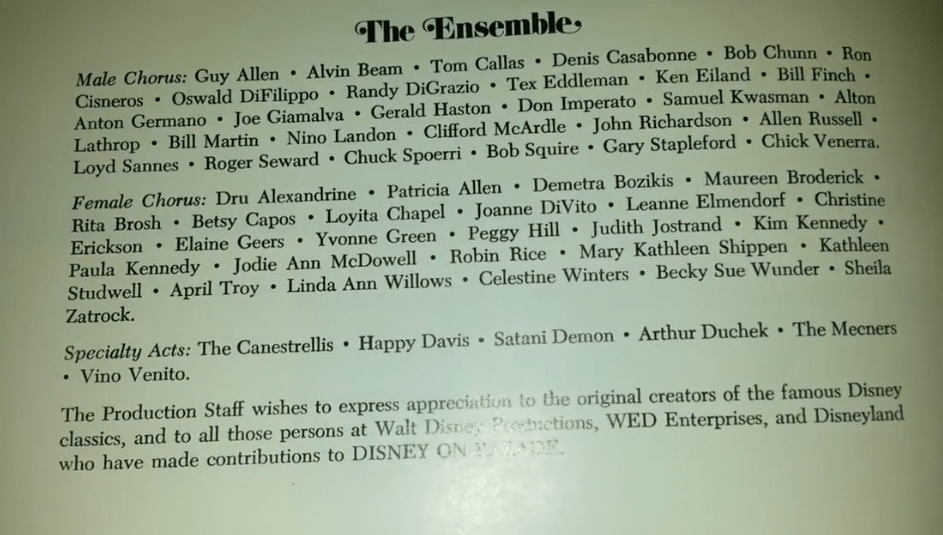
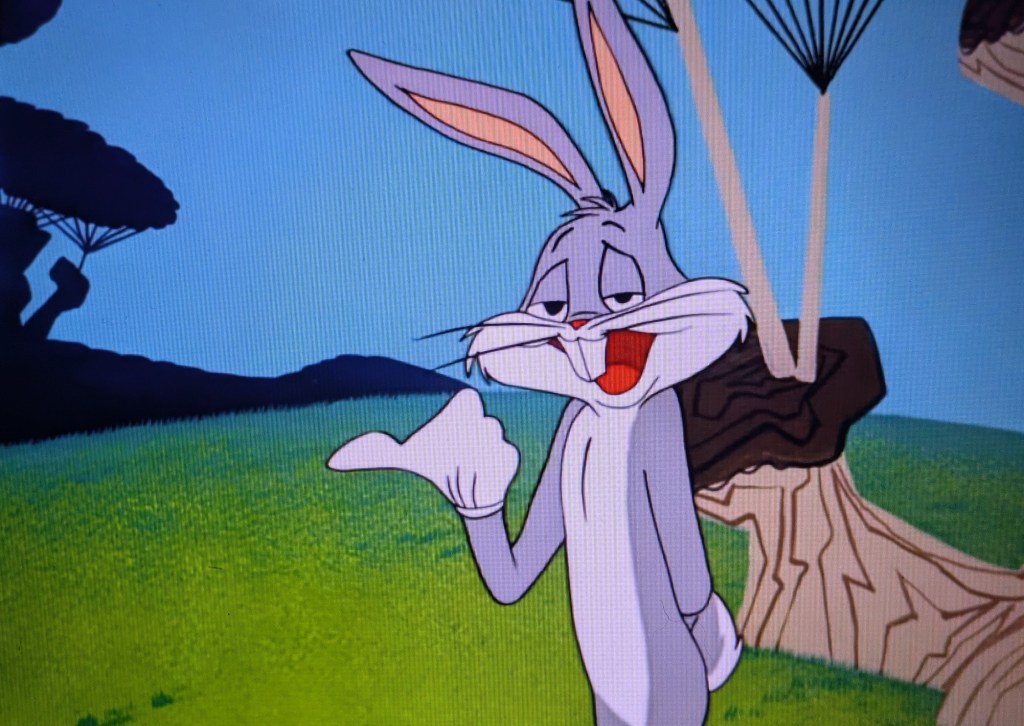


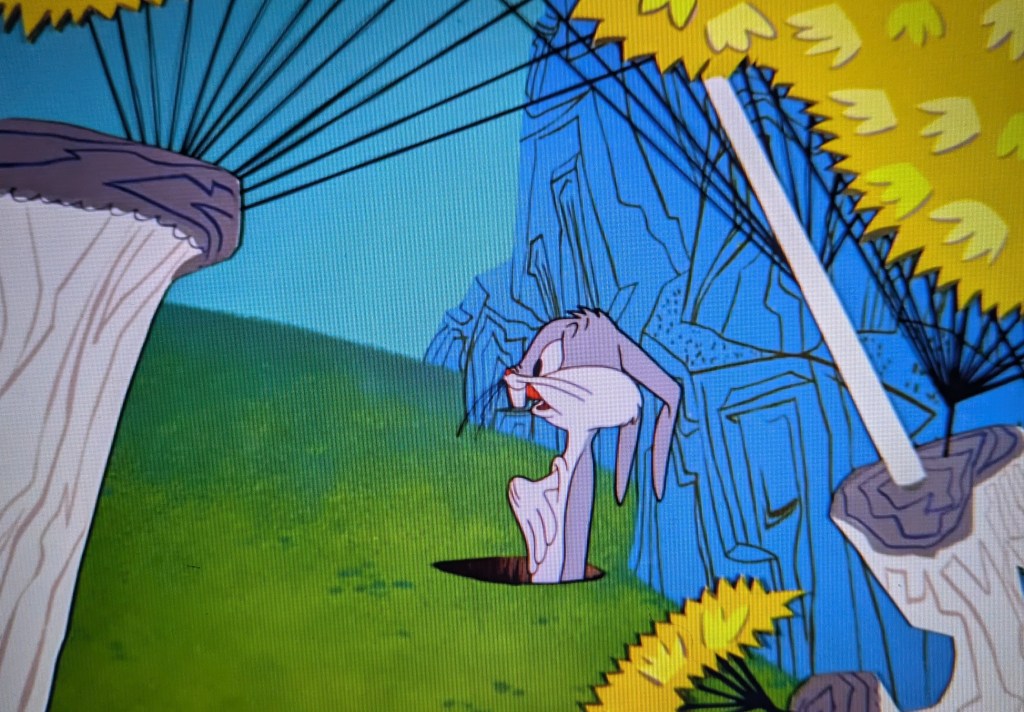

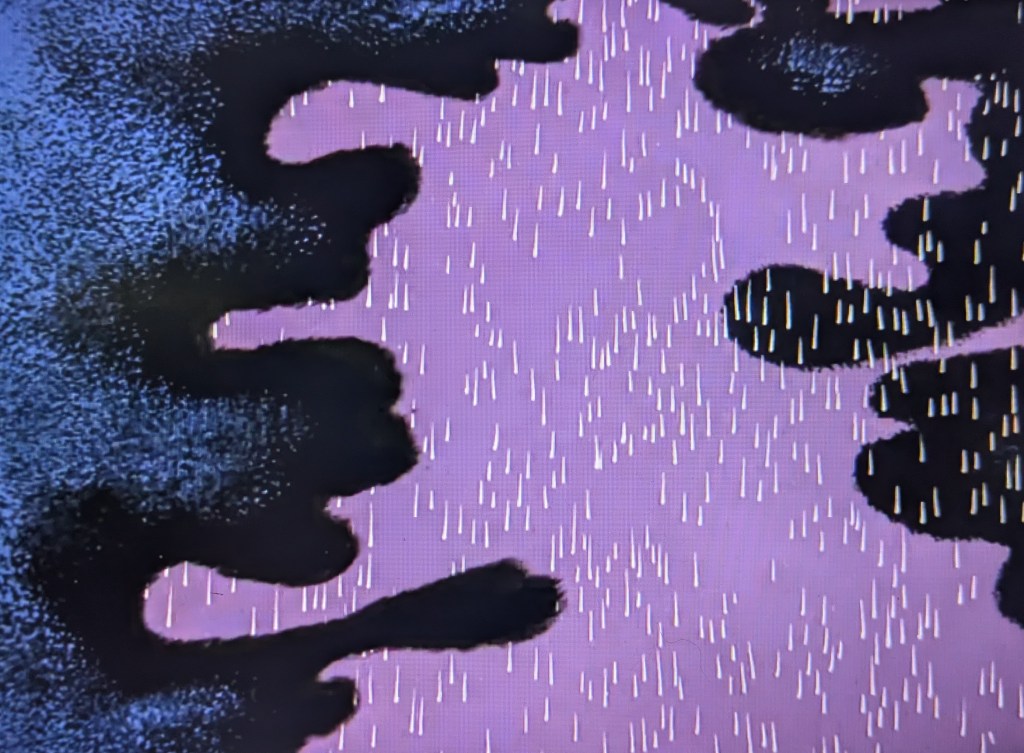
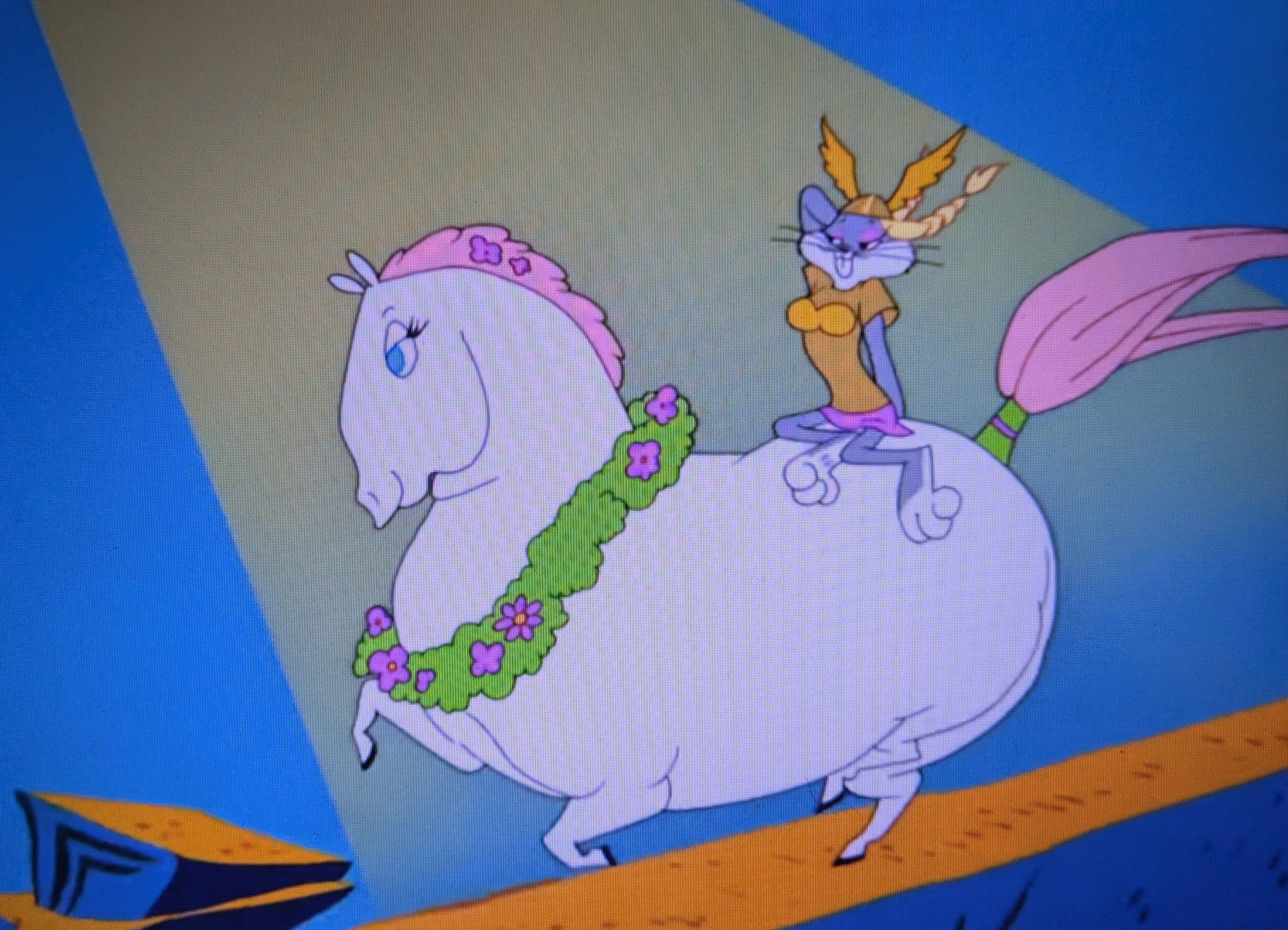
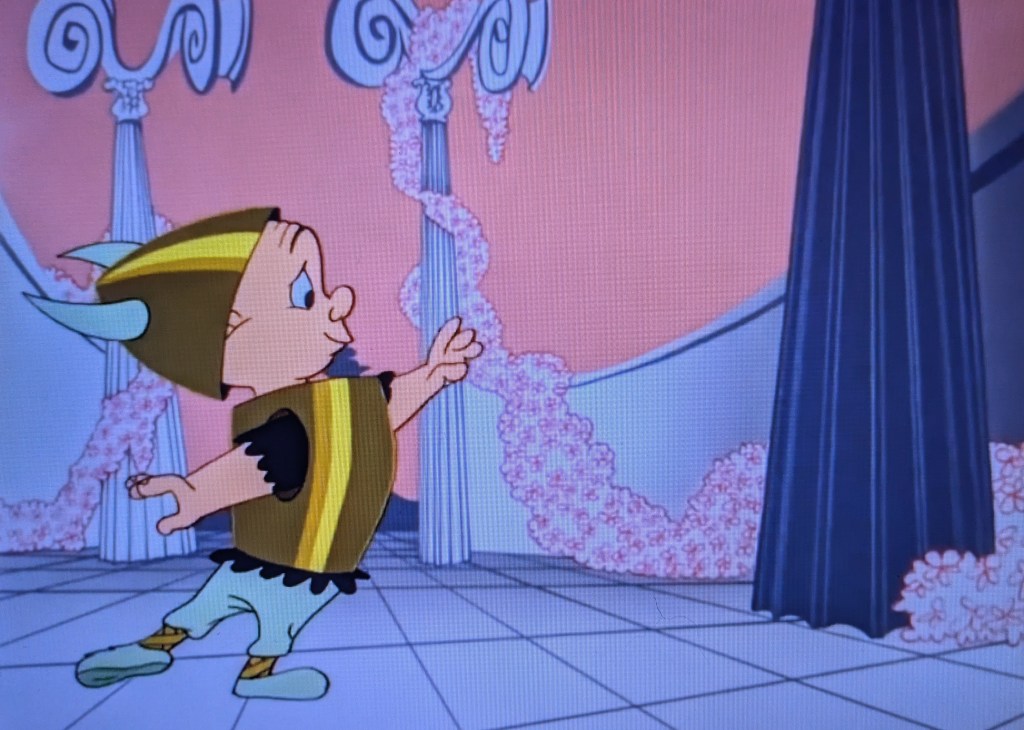
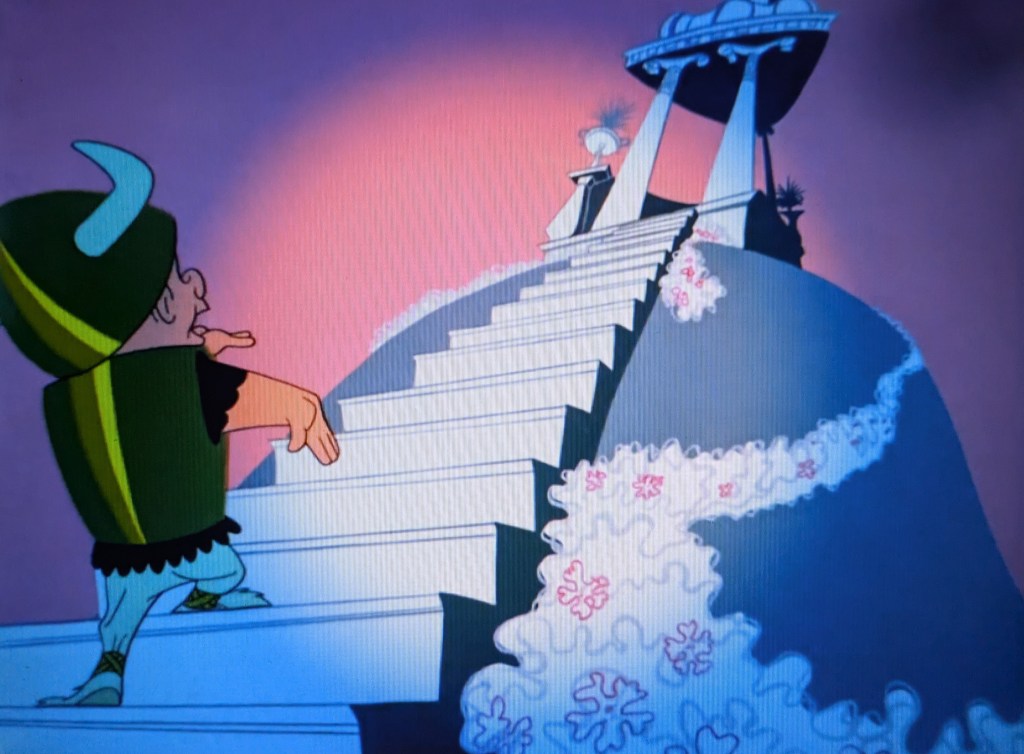
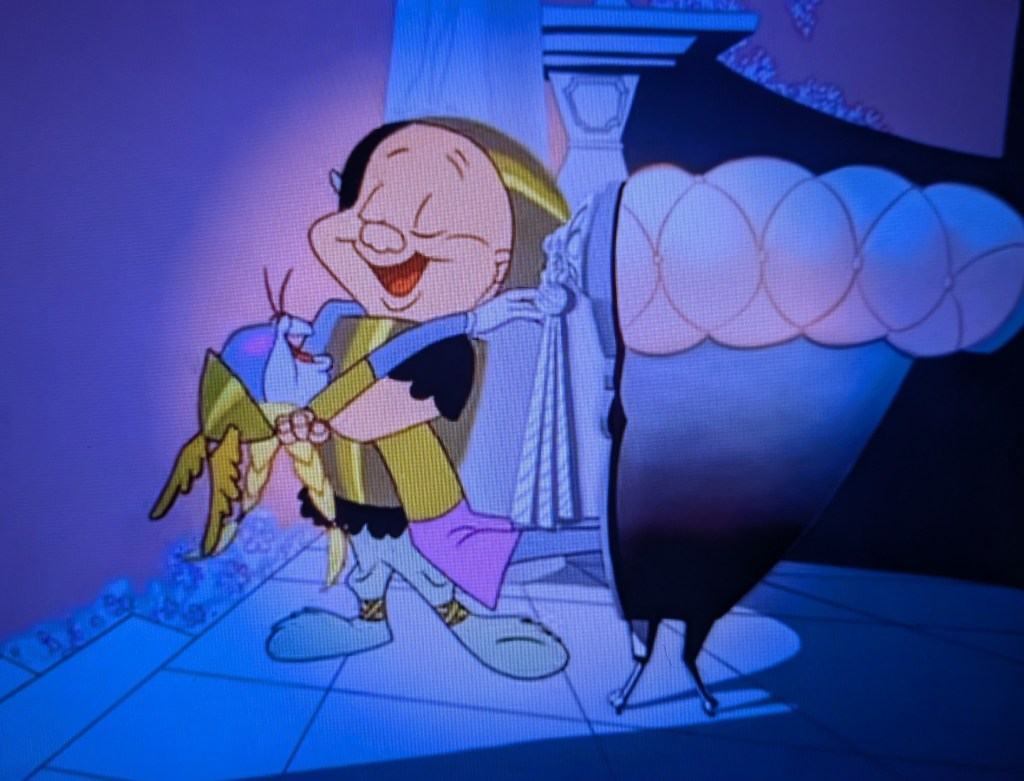


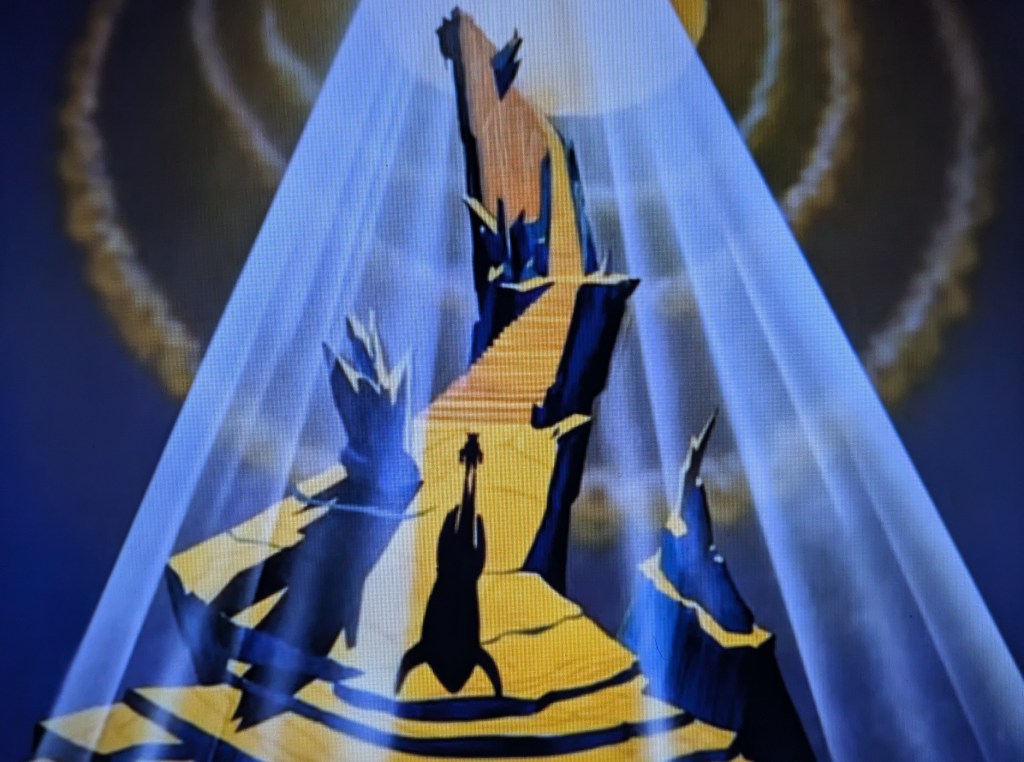


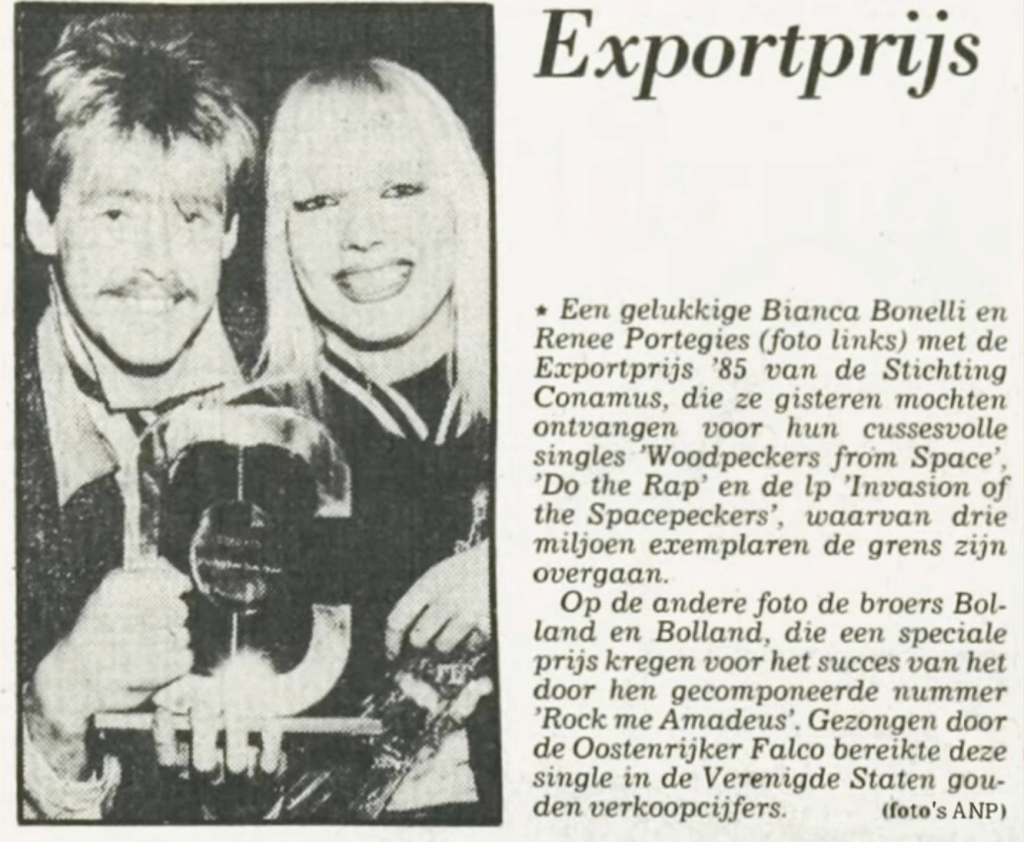


 mysuperendeavour
![[97]](https://i.ebayimg.com/images/g/7zkAAOSwnlll8hPT/s-l1600.jpg)